
REVIEW · DARWIN
Darwin Shore Excursion: Hop-on Hop-off Bus Tour
Book on Viator →Operated by Big Bus Tours · Bookable on Viator
Darwin’s top sights are easy to reach. This shore excursion is a practical way to cover a lot of ground in the Top End without renting a car, thanks to open-top double-decker views and hop-on hop-off flexibility from the cruise area. What I especially like is how the stops line up with the places most first-timers want—Waterfront Precinct, Crocosaurus Cove, Doctors Gully, Cullen Bay Marina, and the Military Museum—so you can choose what’s worth your time. The main drawback to plan for is the heat and humidity: waiting at the cruise stop and the ride itself can feel toasty, and not every bus is equally comfortable.
If you’re short on time, this is one of those tours that helps you get your bearings fast—you ride, you listen, and you decide where to get off. The narration is pre-recorded but clear, and the loop format makes it easy to build your own Darwin day, from quick photo stops to longer museum or attraction breaks. My other big plus is that you can choose a 24- or 48-hour pass, which makes the second day useful instead of feeling like a wasted ticket.
The key thing to consider is timing. You’ll be choosing when to return to your ship, and while the buses run often, you still need a buffer so you don’t cut it close.
In This Review
- Key things to know before you ride
- Darwin’s hop-on hop-off setup: why it works for a cruise day
- The comfort trade-off: open-top views vs Top End heat
- Fort Hill Wharf to the Waterfront Precinct: the quickest way to get oriented
- Military Museum: where your narration makes real sense
- Crocosaurus Cove: the stop that turns the trip into a memory
- Doctors Gully and the “small stops” that make Darwin feel lived-in
- Cullen Bay Marina and the Waterfront angle: best for the second photo round
- Botanic Gardens: your heat escape and a calmer pace
- East Point Reserve: why the afternoon loop feels like a bonus
- 24-hour vs 48-hour passes: when the second day really earns its keep
- How often the bus runs and how that affects your plan
- Practical tips for timing so you don’t cut it close
- Who should book this Darwin hop-on hop-off bus tour?
- Should you book it?
- FAQ
- How long does the tour take?
- Where do I start from?
- Is the bus open-top?
- Is there commentary on the bus?
- How many stops are there?
- Do I need to stay on the bus the whole time?
- What attractions are included on the route?
- Are food and drinks included?
- Is pickup included?
- How big are the groups?
Key things to know before you ride
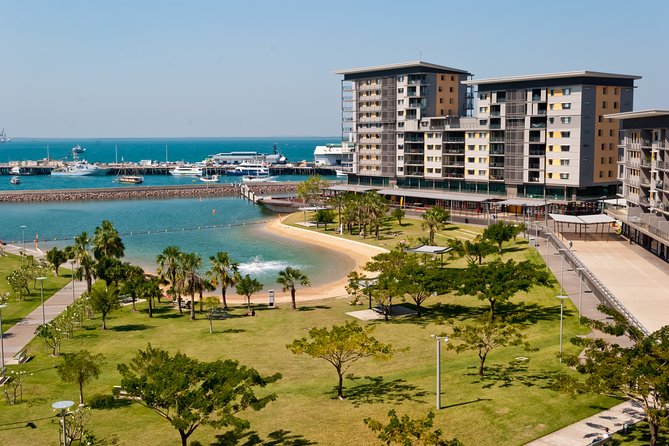
- 11 convenient stops around Darwin, including the cruise ship area
- Open-top double-decker sightseeing with pre-recorded onboard commentary
- 60-minute morning loop and 90-minute afternoon loop with extra coastal coverage
- 24- or 48-hour passes let you pace your day (or make a second visit)
- Small tour feel with a maximum of 20 travelers
Darwin’s hop-on hop-off setup: why it works for a cruise day
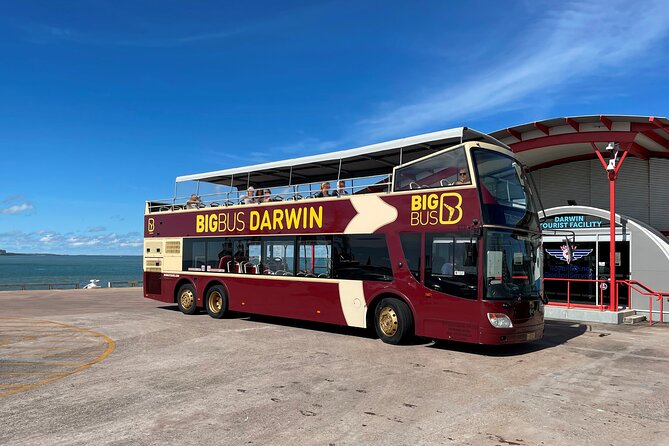
Darwin can feel spread out when you’re on foot. This bus tour solves that problem in a very Darwin way: you get an outdoor view ride that covers the main waterfront and key attractions, and you’re not stuck with a rigid itinerary.
The biggest win is how the tour is designed around cruise-ship timing. The buses meet you right at the cruise terminal area (Fort Hill Wharf), so you’re not burning time on long transfers. The official start point is listed near the Top End Visitor Information Centre on Bennett St, but for cruise passengers the practical reality is that you’re boarding extremely close to where your ship docks.
You can treat the first loop like a scouting lap. Ride it all the way through, note what you want to revisit, then get off for the parts you care about most—like the Military Museum or Crocosaurus Cove—and hop back on when you’re ready.
The comfort trade-off: open-top views vs Top End heat
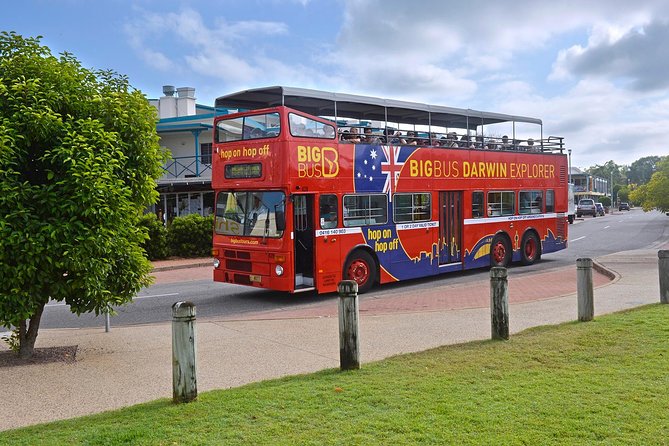
This tour is all about seeing Darwin from an open-top bus, which means great visibility for harbor views and coastal stretches. The upside is you feel the breeze and you can get photos without leaning around people. One of the more helpful bits from experience on similar hop-on tours is that you can choose where you sit to manage comfort—some upper seating areas can be sheltered, while other sections are more exposed.
Now for the reality check: Darwin weather can be intense. Reviews included notes about very hot and humid conditions (especially in the wet-season months). That matters in two places:
1) at the cruise terminal stop where you may wait in the sun, and
2) on the bus, if you want to stay upstairs or if the lower deck doesn’t feel cool enough.
My advice is simple. Bring a hat, sunscreen, and water. If you’re traveling in hot weather, be proactive about shade choices where possible, and don’t plan to spend your entire ride only in the sunniest spots.
Fort Hill Wharf to the Waterfront Precinct: the quickest way to get oriented
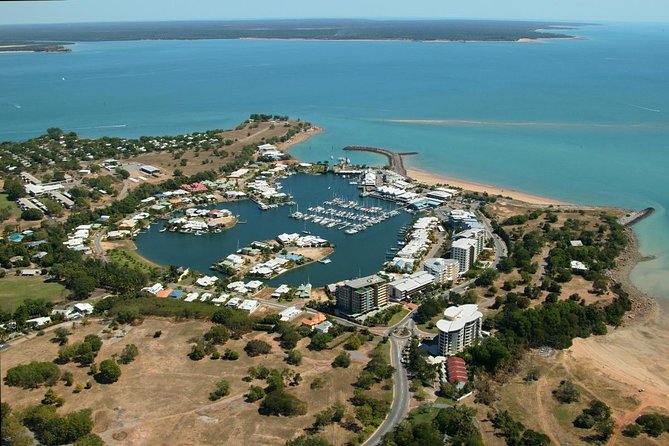
When you start in the cruise-ship area, the first goal is orientation. You’ll ride into the Darwin Waterfront Precinct, which is the part of town that instantly helps you understand where everything sits relative to the harbor.
This area is valuable for a couple reasons:
- It’s where Darwin feels most “you’re here” because of the waterfront setting and easy sightseeing flow.
- It gives you an efficient base to decide whether you want a quick stroll, a longer break, or to focus your time elsewhere.
If you’re jet-lagged or your legs are tired from getting off the ship, this is a smart first stop to aim for. It’s also where you can take care of the basics—photos, a brief walk, and a check of what time the next bus is coming—so you don’t scramble later.
Military Museum: where your narration makes real sense
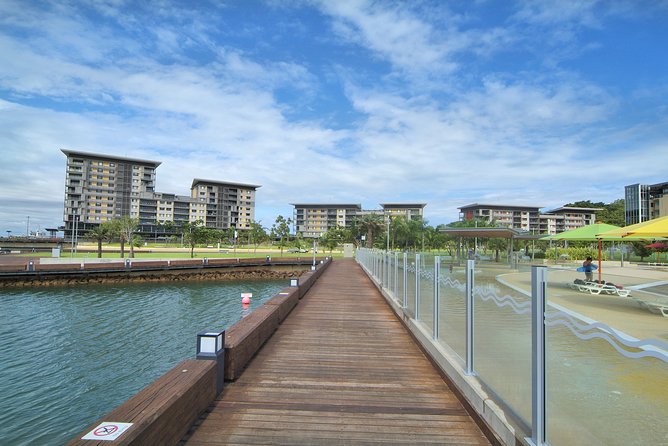
The Military Museum is one of the main reasons this bus tour works so well. Darwin’s story is tied to the region’s wartime history, and the hop-on model makes it easy to allocate time there without losing your day.
On this tour, the Military Museum is included across routes, including the afternoon itinerary where the bus makes an additional call at the museum area. That gives you a helpful option: if you miss it on the first loop, you can still catch it later without having to reorganize your whole plan.
What to do here once you get off depends on your interests, but based on what people focus on during this stop, it’s the kind of attraction where it pays to slow down. You might want time for displays connected to the Bombing of Darwin Harbour and the Royal Flying Doctor story, rather than treating it like a quick look-and-go.
A practical drawback: this is often the stop most people want, so it can be busy. If you can, head off early in the loop so you’re not fighting the first wave when everyone is stepping down at the same time.
Crocosaurus Cove: the stop that turns the trip into a memory
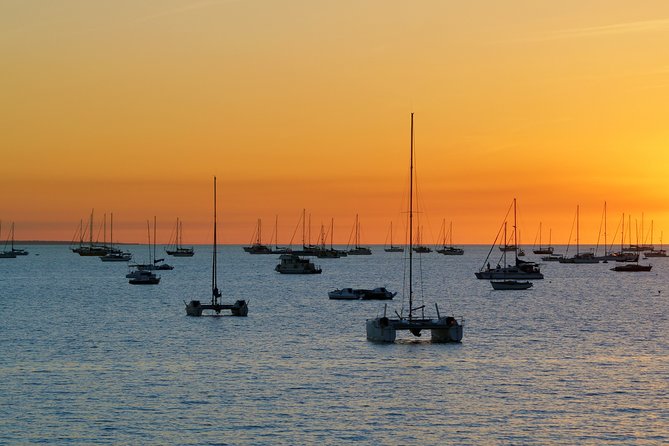
If you want one stop that’s more like an experience than just a view, aim for Crocosaurus Cove. People often mention it as a must-do because it’s a major highlight and a very Darwin-style attraction—up close with some serious reptiles.
The hop-on benefit is that you can match your time here to your energy. You can do a quicker visit if you’re trying to fit everything into a cruise day, or linger more if you want to spend time seeing the exhibits and photos.
One caution that’s easy to overlook: if you’re visiting in the heat of the day, treat Crocosaurus Cove as your “go inside and cool off” option. It’s not just a fun detour—it can also break up the outdoor sun time from the bus and other waterfront stops.
Doctors Gully and the “small stops” that make Darwin feel lived-in
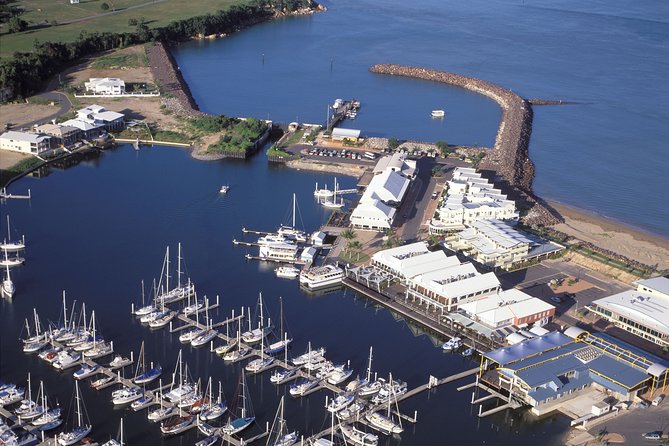
Not every stop is a big-ticket attraction. Doctors Gully is one of those places where the value is in the scenery and the local vibe—an easy hop-off point that makes the tour feel more like exploring than just collecting landmarks.
This stop works especially well if:
- you want a breather after sitting on the bus,
- you like photo moments that aren’t just harbor views, or
- you’re building a day around a mix of outdoors and short walks.
In the context of Darwin, it also helps you understand how the city’s layout connects the greener edges and viewpoints to the busy waterfront area.
Cullen Bay Marina and the Waterfront angle: best for the second photo round
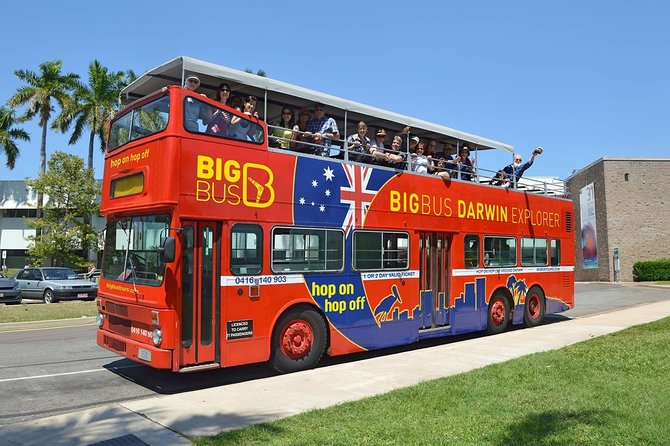
You’ll also see Cullen Bay Marina, and this stop is best if you’re the type who loves a second look. Marina areas are great for different lighting, different boat activity, and just generally different angles than the main waterfront.
If you’re doing a one-day visit, consider whether you want:
- a brief “see it” stop here, or
- a longer time if you’re a fan of boats, harbors, and water-front perspectives.
For many people, Cullen Bay and the waterfront overlap in the mental map of Darwin. Riding the loop once, hopping off once, and then using the return trip to check another view is often the easiest way to get satisfaction without overplanning.
Botanic Gardens: your heat escape and a calmer pace
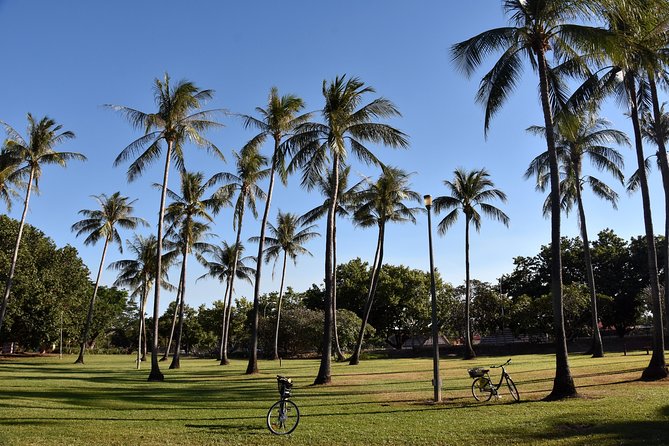
Botanic Gardens show up on the route, and that’s not an accident. After the bus ride and the waterfront area, the gardens are where you can slow down.
This stop is worth it even if you’re not the “gardens person.” In hot, humid weather, any shaded or cooler-feeling outdoor stop can make the day easier to manage. It also gives you something different from the museum-heavy schedule and the more animal-focused Crocosaurus Cove visit.
Think of this as your decompression stop. If you’re planning to do multiple attractions, you’ll enjoy the day more if at least one stop is a calm one.
East Point Reserve: why the afternoon loop feels like a bonus
The afternoon itinerary includes East Point Reserve, and that extra coastal coverage is a major reason a 90-minute loop can be better than just repeating a short ride.
This is the part of the day where you’ll get different views and a sense of Darwin’s edge—what it looks like when you’re not only in the city center. The value here is perspective. You come away knowing the city is connected to coastline, and not just built around the harbor.
It also matters because the afternoon route includes additional museum coverage, so you can pair East Point Reserve with the Military Museum area if those are top priorities. That combination is a strong use of time when you’re doing a longer port day or you have the flexibility to return later.
24-hour vs 48-hour passes: when the second day really earns its keep
The big decision is how long you want your sightseeing window. The tour offers 24-hour or 48-hour hop-on hop-off tickets, and you’ll feel the difference.
A 24-hour pass is ideal when:
- you’re on a cruise day and want to maximize highlights,
- you prefer a single loop plus a couple focused hop-offs,
- you don’t want a big schedule.
A 48-hour pass becomes a better value when you want more than one pass at Darwin’s top sights. Since you can board and disembark at 11 stops, the second day lets you revisit what you skipped the first time, or take a slower walk through places like the Waterfront Precinct or Botanic Gardens without rushing back to catch the next departure.
If you’re trying to decide, here’s a practical rule: if you’ll be tempted to say I wish we had more time at the museum or Crocosaurus Cove, a 48-hour pass usually pays off.
How often the bus runs and how that affects your plan
Departure frequency matters because it controls stress. For the morning route, buses depart about every 30 minutes. For the afternoon route, it’s about every 45 minutes, with the longer 90-minute coverage.
The good news is that the frequency helps you recover from delays. The cruise port can be busy, and getting on at the first minute isn’t always possible. Having repeated departures means you don’t have to sprint—just stay aware and keep your return time to the ship in mind.
Also, on cruise-heavy days, operators may add extra capacity to keep things moving. One review highlighted extra buses during a crowded cruise day, with frequency increased, which is exactly the kind of detail that makes this tour feel more reliable.
Practical tips for timing so you don’t cut it close
This tour ends back at the meeting point and you’re responsible for making sure you’re back on time for your ship. The cruise terminal area is close, but it can still take time if the boarding zone is crowded.
Here’s how I’d plan it to stay calm:
- Do the first loop ride straight through so you don’t miss the route rhythm.
- Pick one “anchor” stop where you’ll spend real time (Military Museum or Crocosaurus Cove).
- Treat the rest as flexible. If you’re not feeling it, you can skip and still get value from the scenery ride.
If you’re visiting on a day when major sights are shut down (some holidays can affect what’s open), a hop-on bus still helps you get views and orientation—but you might find fewer places to actually go inside. It’s worth checking local open hours before you assume every stop will be accessible.
Who should book this Darwin hop-on hop-off bus tour?
This is a great fit if:
- you’re in Darwin by cruise and want an efficient day plan,
- you don’t have a rental car,
- you want a choice-driven schedule without doing research for every stop,
- you like narration and want help deciding where to spend your time.
It’s less ideal if:
- you expect a lot of deep, long guided walks at every stop (this is a bus-and-hop format, not a full-day escorted tour),
- you’re extremely sensitive to heat and don’t want to wait at the cruise terminal,
- you want heavy live guiding. This tour uses pre-recorded commentary.
Group size is capped at a maximum of 20 travelers, which helps keep the experience feeling manageable.
Should you book it?
Yes—if your goal is to see the main Darwin highlights fast and you like the freedom to choose what you do next. I especially think it’s a smart purchase when you’re on a cruise day, because the start is close to the port and you can structure your time around one or two key stops.
Before you go, make one decision in advance: your anchor stop. If Military Museum is your priority, plan your day so you’re not rushing through it. If Crocosaurus Cove is the “must,” give it time to feel like more than a checkbox. Either way, bring sun protection, build in a return-to-ship buffer, and use the second loop or second day to correct for anything you missed.
FAQ
How long does the tour take?
You can use a 24-hour or 48-hour ticket to ride as you like. The bus routes are about 60 minutes for the morning route and about 90 minutes for the afternoon route.
Where do I start from?
The listed start point is the Top End Visitor Information Centre at 6 Bennett St, Darwin City. For cruise passengers, the bus departs from right outside the cruise terminal at Fort Hill Wharf.
Is the bus open-top?
Yes. It’s an open-top double-decker bus with views from the upper deck.
Is there commentary on the bus?
Yes. The tour includes pre-recorded commentary on board.
How many stops are there?
There are 11 convenient stops around Darwin, including stops such as Waterfront Precinct, Military Museum, Cullen Bay Marina, Doctors Gully, and Crocosaurus Cove.
Do I need to stay on the bus the whole time?
No. This is hop-on hop-off, so you can get off at any stop and return later using your ticket.
What attractions are included on the route?
Key stops include Darwin Waterfront Precinct, Military Museum, Botanic Gardens, Doctors Gully, Cullen Bay Marina, Crocosaurus Cove, and East Point Reserve on the afternoon route.
Are food and drinks included?
No. Food and drinks are not included.
Is pickup included?
Pickup is offered, and for cruise passengers boarding happens right at the cruise terminal area.
How big are the groups?
This tour has a maximum of 20 travelers.