REVIEW · MILAZZO
From Milazzo: Panarea & Stromboli Cruise Excursion
Book on GetYourGuide →Operated by NAVIGAZIONE SALAMONE NAVI.SAL SRL · Bookable on GetYourGuide
A volcanic sunset chase, run by boat. You get Panarea by day and Stromboli at nightfall, with onboard narration in Italian, English, and French so you know what you’re looking at. I also like that the schedule is built around Stromboli’s visibility—there’s time on the island, plus time on the water for the classic volcanic viewing.
The main consideration is simply the pace: it’s a long 10-hour day with limited time on each island, and weather (wind, clouds, sea conditions) can affect what you can see at Stromboli.
In This Review
- Key Things I’d Put on Your Radar
- Why This Milazzo Cruise Works: Panarea by Day, Stromboli at Sunset
- Getting to Via dei Mille 38: The Smooth Start (and One Small Gotcha)
- Panarea First: Cala Juco, Capo Milazzese, and the Bronze-Age Frame
- The realistic Panarea drawback
- Cruise Time Between Islands: Dattilo, Lisca Nera, and the Sea’s Viewpoint
- Stromboli Stop: 2 to 2.5 Hours on the Island Village and Beaches
- Stromboli drawback to plan around
- Strombolicchio and Sciara del Fuoco: The Real Payoff for Volcano Fans
- The key expectation to manage
- Boat Comfort, Narration, and the Day’s Energy Level
- A practical note on comfort
- Panarea and Stromboli for Swimmers: What You’ll Actually Be Able to Do
- Price and Value: Is $91 Good for Two Islands and a Volcano Show?
- Who Should Choose This Cruise (and Who Should Skip It)
- What to Bring (So the Day Feels Easy, Not Annoying)
- Should You Book This Panarea and Stromboli Cruise?
- FAQ
- What time does boarding and departure happen in Milazzo?
- How long is the cruise, and when do you return to Milazzo?
- How much free time do I get on Panarea and Stromboli?
- Is there an extra fee for the Aeolian Islands tax?
- What should I bring for this tour?
- What is not allowed on the boat?
- Does the tour run in bad weather?
Key Things I’d Put on Your Radar
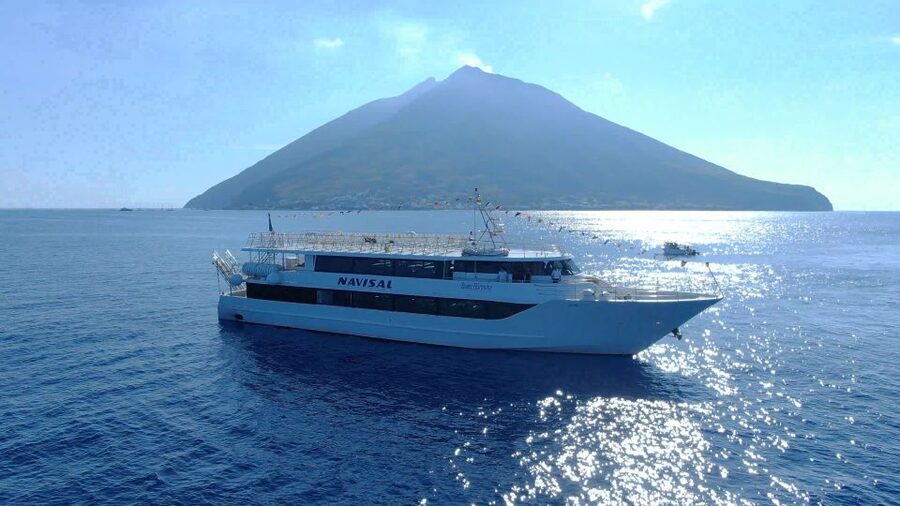
- Bronze-Age Panarea views from the water, including a prehistoric settlement linked to 1400 BC
- Cala Juco Bay and Capo Milazzese spotting from before you even step onto Panarea
- A quick Stromboli window (about 2 to 2.5 hours) plus viewing from the sea around Strombolicchio
- Sciara del Fuoco stop for eruptions at sunset, when Stromboli’s activity is most dramatic
- Multilingual commentary and a lively return ride with music and dancing reported by passengers
- Eruption timing isn’t guaranteed, so clouds and conditions matter
Why This Milazzo Cruise Works: Panarea by Day, Stromboli at Sunset
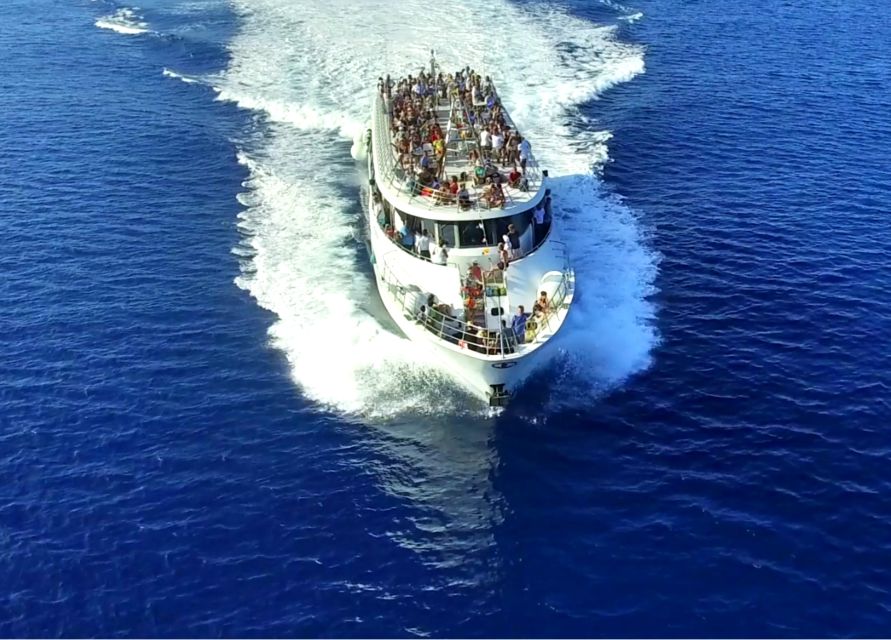
This is one of those Aeolian Island days that fits the way most people travel through Sicily: you don’t want to spend hours thinking about ferries, schedules, or logistics. You want to be on the water, watching the islands change as the light shifts.
The real strength here is the pairing. Panarea is the calm, charming counterweight—small bays, scenic viewpoints, and a sense of stepping into another era. Stromboli is the drama: a working volcano famous for regular Strombolian bursts, with the best show happening as darkness falls. Put together, you get a full day of contrast without having to plan multiple separate day trips.
And yes, it’s a long day. But if you’re choosing between “one island only” and a true two-island hit, this route is built for the second option.
You can also read our reviews of more boat tours in Milazzo
Getting to Via dei Mille 38: The Smooth Start (and One Small Gotcha)
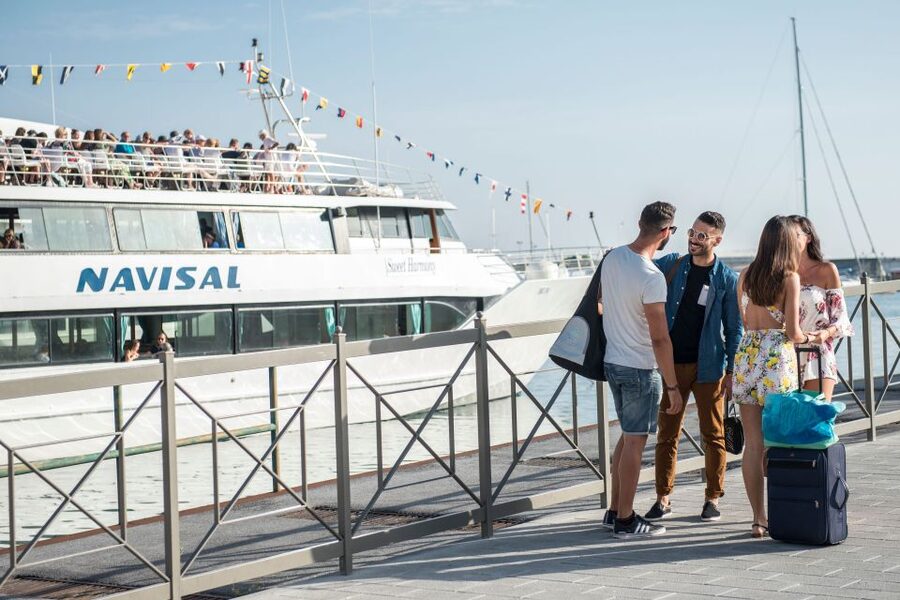
The meeting point is Via dei Mille, 38, and you exchange your voucher at the ticket counter before the tour begins. Boarding starts at 11:15 AM, with departure at 11:45 AM.
Why this matters: the whole rhythm of the day depends on leaving on time. If you show up late, you don’t just miss a boat—you miss the timing for Panarea’s most scenic arrival views and the later volcanic viewing window.
Also keep in mind that the tour runs rain or shine, except for unfavorable weather and sea conditions. So bring the kind of gear you’d use for a windy boat day: comfortable shoes, sunglasses, and a charged phone.
Panarea First: Cala Juco, Capo Milazzese, and the Bronze-Age Frame
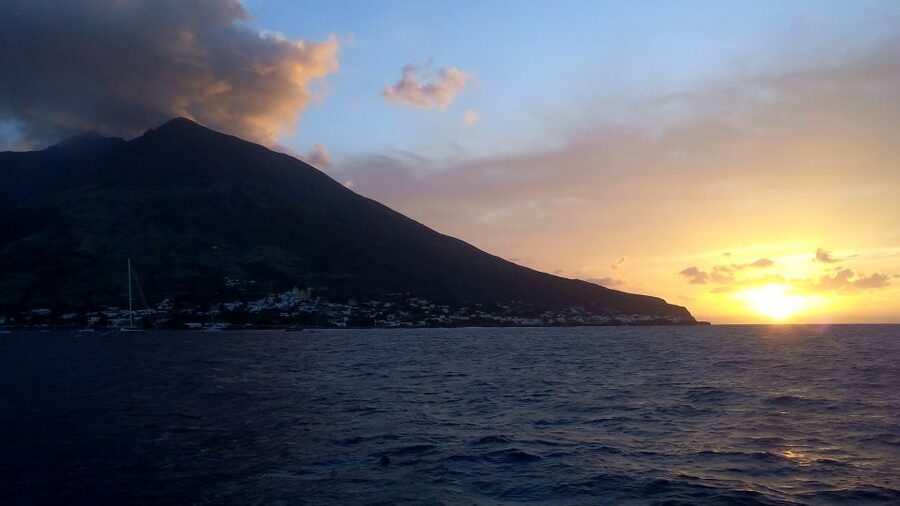
Panarea is where you slow down. The plan starts with a sea approach where you can admire bays and headlands before disembarking. From the description, I’d pay attention to the stops around Cala Juco Bay and Capo Milazzese, known for striking colors and clear water (with a small pebble beach nearby).
Then there’s the history angle that makes Panarea more than just a pretty postcard. Above the shoreline, you’ll see a prehistoric site dating back to Bronze Age life (around 1400 BC). The remains include 22 oval-shaped stone huts and one quadrangular-shaped structure, which helps you understand why this island has such a strong identity—humans have been drawn here for a very long time.
Once you reach the port of San Pietro, you get a free stop of about 2 hours to 2 hours 15 minutes. That isn’t a lot of time, so go in with a simple plan: wander the port area, look for viewpoints, and if you want a beach moment, do it quickly.
The realistic Panarea drawback
If you’re hoping for lots of beach time, know that the port-to-beach situation can require walking or extra effort. With a short window, you’ll want to choose one priority: either stroll for views and snacks, or spend your time going for water and relaxing.
Cruise Time Between Islands: Dattilo, Lisca Nera, and the Sea’s Viewpoint
You’re not just traveling—you’re watching. After Panarea, the boat passes by a chain of islands and rocks that form a kind of mini-archipelago in front of Panarea. Named highlights include Dattilo, Panarelli, Lisca Nera, Lisca Bianca, Bottaro, and Basiluzzo, with Punta Spinazzola where the internal part of an ancient crater includes the Grotta del Carbone.
Even if you never hop off at these places, the sea approach is the point. You get perspectives that you simply can’t get from the mainland: the shapes of the coasts, the way cliffs drop to the water, and the scale of volcanic terrain.
And because the itinerary includes scenic cruising time (around 55 minutes for the sightseeing cruise plus additional passage time), this part of the day can feel like a moving viewpoint. If you’re prone to getting bored on long boat rides, keep an eye on the onboard vibe—some passengers have reported music and dancing on the way back.
Stromboli Stop: 2 to 2.5 Hours on the Island Village and Beaches
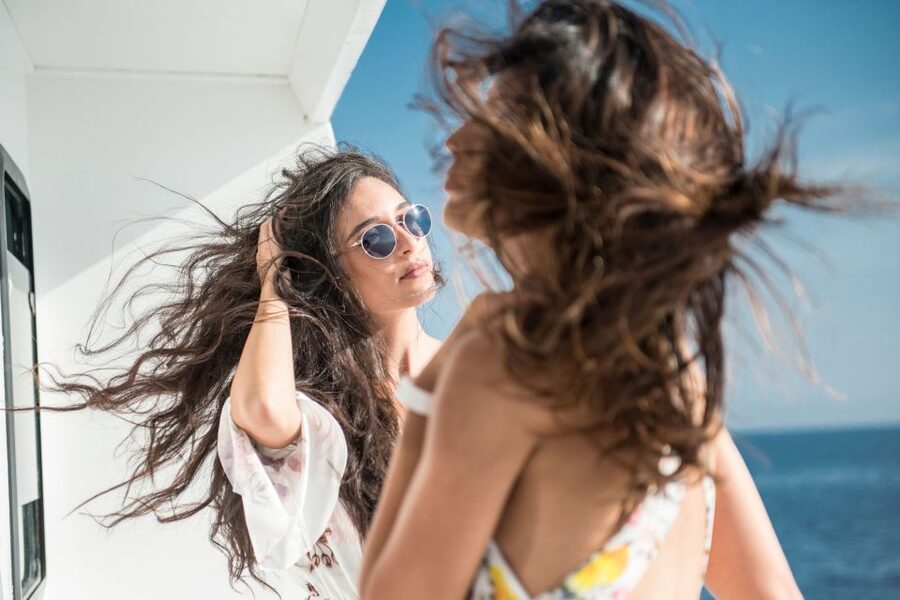
Stromboli is the “get close to the source” island. Once you arrive, there’s a free stop at the port of San Vincenzo–Scari for about 2 hours 15 to 2 hours 30 minutes, depending on timing.
What you can do in that time:
- Walk around the harbor area and black-sand/pebble shoreline views.
- If you want a higher viewpoint, there’s a road that climbs up toward the Church of San Vincenzo, where the front square is panoramic and shows Strombolicchio.
- If you want the classic Stromboli look, the long black beaches of pebbles and sand are right there near the port.
And this is where timing matters. Because you don’t have all evening on the island, don’t spend your whole stop hunting for the perfect photo spot. Instead, pick one: port atmosphere or the viewpoint climb or the short beach reset.
Stromboli drawback to plan around
Two and a half hours sounds generous until you remember how quickly time disappears on a volcanic island: walking takes effort, and it’s easy to burn time moving between viewpoint and shore. If you’re a slow walker or prone to lingering, you may feel the stop is short—especially if you want both views and water time.
Strombolicchio and Sciara del Fuoco: The Real Payoff for Volcano Fans
After boarding on Stromboli, the tour includes a visit from the sea to Strombolicchio—often called the grandfather of Stromboli, because it’s part of solidified lava from the oldest volcanic cone of the Aeolian Islands.
Then you head into the Sciara del Fuoco area, with a short stop from the sea to admire volcanic activity as the sunset lights the scene. This is the portion volcano lovers wait for.
Here’s what makes it feel special: Stromboli’s eruptions aren’t random fireworks. The descriptions talk about Strombolian bursts—visible explosions of lapilli, ash, and magma at intervals of about 15 to 20 minutes. That matters because it’s why the timing of the stop is taken seriously. The boat is aiming to be in the right spot when the light fades and the activity becomes easier to see.
The key expectation to manage
You’re not guaranteed a specific eruption. Clouds and weather can reduce visibility, and sea conditions can affect how long the boat can stay close. Some passengers have experienced full clarity; others have been limited by clouds. Plan the day as a chance to see the volcano show, not a guaranteed match with your exact preferred moment.
Boat Comfort, Narration, and the Day’s Energy Level
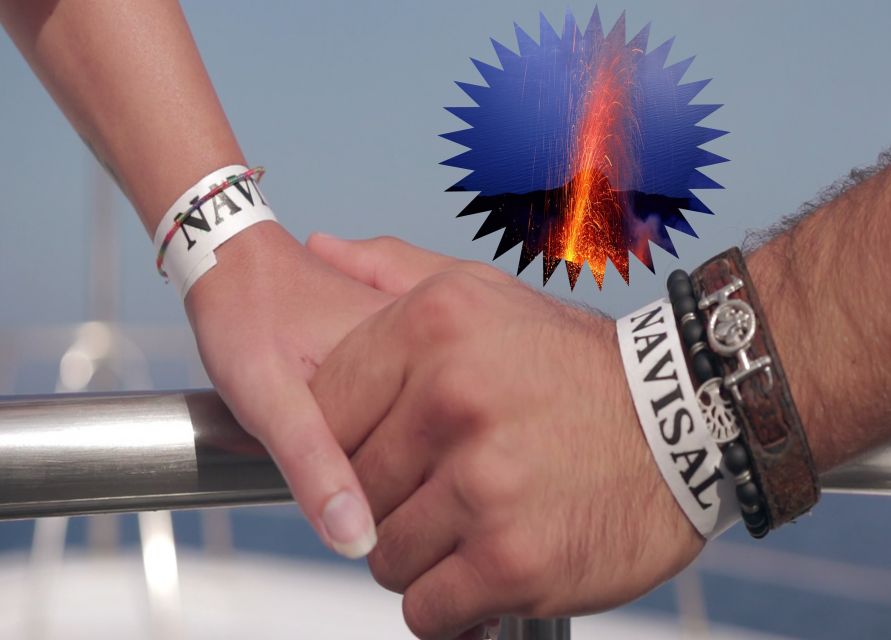
This cruise runs with passenger assistance and commentary in Italian, English, and French. That multilingual approach is more than a nice touch. It helps you connect what you see—bays, volcanic terrain, and viewpoints—to what it means.
One reason this route earns strong feedback is that the onboard experience can keep moving even on the long return. Passengers have mentioned music and dancing on the way back, which turns the ride from “sitting on a boat” into a shared, upbeat wind-down.
A practical note on comfort
If you’re sensitive to wind, plan for it. The upper deck can be breezy on an Aeolian day, and it may be uncomfortable if you spend too long up top. If that’s you, you’ll likely enjoy the experience more if you mix deck time with shaded areas or sit where you can still see without fighting gusts.
Panarea and Stromboli for Swimmers: What You’ll Actually Be Able to Do
This is a “take a quick dip” sort of itinerary, not a long swim day. You get free time on Panarea and another free window on Stromboli, and there’s at least the chance for water time during those stops.
What to do:
- Bring swimwear, a towel, and sunscreen.
- Use your time with intent: if you want a swim, don’t leave it for later when the schedule tightens.
- Have a plan for changing quickly and safely, since you’re moving between land and boat.
If you love water views, the sea portion is also a win. You’ll be constantly surrounded by coastline and bays, so even non-swimming time still feels active.
Price and Value: Is $91 Good for Two Islands and a Volcano Show?
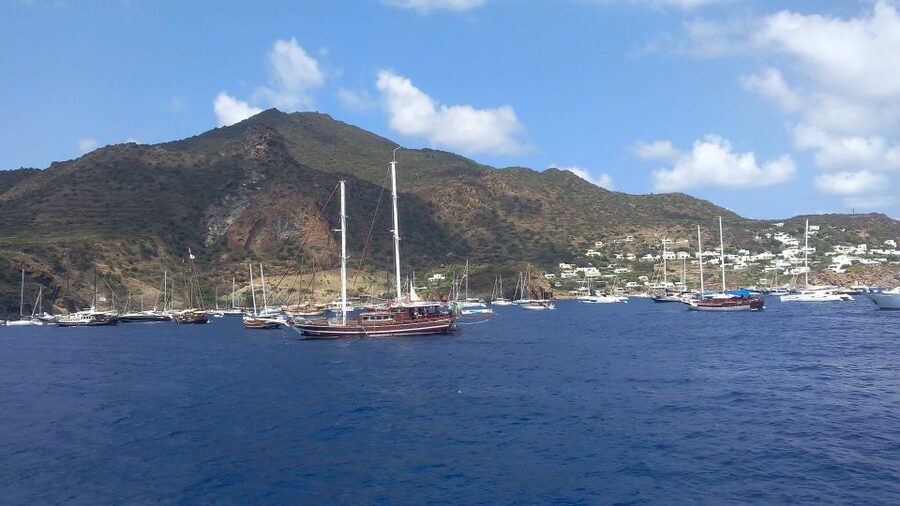
At $91 per person for a 10-hour boat day, the value is mostly about what’s included versus what you’d normally piece together on your own.
Included:
- Boat tour covering transportation between Milazzo, Panarea, and Stromboli
- Passenger assistance
- Time on Panarea, plus a guided sea portion and volcanic viewing from the water
Not included:
- Aeolian tax €5, payable for all passengers at the Navisal ticket office
So the real all-in cost is $91 plus €5. If you were to DIY this, you’d still need transport between islands, timing, and a way to get the most dramatic viewing positions for Stromboli. Even without comparing exact DIY costs (since ferries and schedules vary), the structure here is clear: you’re paying for one guided day that compresses a lot of places into a manageable route.
My take: it’s good value if your priority is maximizing scenery and volcanic views in a single day, and you can handle a long day with limited land time.
Who Should Choose This Cruise (and Who Should Skip It)
This tour fits best if:
- You want Panarea charm and Stromboli volcanic viewing without ferry planning.
- You like clear priorities: walk a bit, take views, and aim for sunset activity.
- You’re comfortable on a boat and don’t mind a schedule that moves.
It’s not listed as suitable for people who are:
- Pregnant
- People with mobility impairments
- People with heart problems
- People with epilepsy
- People with recent surgeries
One confusing point you should reconcile before booking: the activity says wheelchair accessible, yet also says it’s not suitable for people with mobility impairments. That doesn’t mean it’s unsafe for all mobility needs, but it does mean you should check with the operator directly about your situation.
What to Bring (So the Day Feels Easy, Not Annoying)
If you want this day to feel smooth, pack like you’re doing a full sun-and-wind boat day plus a short walking island stop.
Bring:
- Passport or ID card
- Comfortable shoes
- Sunglasses
- Swimwear
- Towel
- Sunscreen
- Charged smartphone
And be ready for reality: landings can be adjusted due to local restrictions, and departures/stops can vary because of force majeure, technical-operational needs, adverse weather, and sea conditions. In other words, don’t treat this as a rigid checklist—treat it as a carefully planned day that can flex when the sea asks for it.
Should You Book This Panarea and Stromboli Cruise?
Book it if your Sicily trip wants one big day that covers two islands plus Stromboli’s nighttime drama, and you’re okay with limited free time on land. The price makes sense for a full boat day, the onboard narration helps you enjoy what you see, and the structure puts you in the right places to chase the volcanic spectacle.
Skip it (or switch to a different plan) if you:
- Hate long travel days
- Need lots of time on beaches or in town
- Are strongly dependent on seeing an exact eruption moment (since clouds and conditions can change visibility)
If you’re going for the classic Aeolian combo—Panarea’s scenic calm and Stromboli’s volcano show—this Milazzo cruise is a smart way to do it.
FAQ
What time does boarding and departure happen in Milazzo?
You board at the port of Milazzo at 11:15 AM, and the boat departs at 11:45 AM.
How long is the cruise, and when do you return to Milazzo?
The total experience is about 10 hours. Arrival back in Milazzo is expected around 21:45, though it can vary with sunset time.
How much free time do I get on Panarea and Stromboli?
You get about 2 hours to 2 hours 15 minutes free time on Panarea (San Pietro). On Stromboli (San Vincenzo–Scari), you get about 2 hours 15 to 2 hours 30 minutes free time.
Is there an extra fee for the Aeolian Islands tax?
Yes. There is an Aeolian tax of €5 payable for all passengers at the Navisal ticket office.
What should I bring for this tour?
Bring your passport or ID card, comfortable shoes, sunglasses, swimwear, a towel, sunscreen, and a charged smartphone.
What is not allowed on the boat?
Alcohol and drugs are not allowed, and fireworks/explosive substances are also prohibited.
Does the tour run in bad weather?
It runs rain or shine, except for unfavorable weather and sea conditions. Landings can also be affected by local restrictive ordinances and operational needs.