REVIEW · GQEBERHA
Port Elizabeth: Addo Elephant Park Shore Excursion & Safari
Book on GetYourGuide →Operated by Addo Ventures And Guided Safaris · Bookable on GetYourGuide
Elephants come in fast, even when you’re parked. This Port Elizabeth shore excursion gets you into Addo Elephant National Park for a guided safari and lunch at Jack’s Picnic Site, with chances to spot everything from African elephants to lions and hyenas. I love the focus on real conservation country and the way the day is paced to keep wildlife viewing comfortable, even on a cruise-style timeline, and I like that you’re not stuck planning your own route from Port Elizabeth. One thing to keep in mind: the day runs on a tight schedule, and that can affect how many animal moments you catch if timing goes sideways.
What I really like is the park itself. Addo is South Africa’s third largest national park and it protects a huge range of habitats, from sub-tropical thicket to Nama Karoo and grasslands, which is a fancy way of saying you can see different types of wildlife in different settings. I also like the practical shape of the day: you get a guided morning drive, lunch inside the park, then a second drive to raise your odds. The possible drawback is that the quality of the safari explanation can vary, so if you’re hoping for a lot of deep natural-history commentary, you’ll want to manage expectations.
Another consideration is logistics. Multiple pickup points are offered, and some people report pickup mix-ups or delays that push arrival later into the day, which can reduce sightings time—especially around midday. If you’re sensitive to long waits, or if you want a very predictable timeline, build in a little patience before you leave the terminal.
In This Review
- Key takeaways before you go
- Addo from Port Elizabeth: what makes this shore excursion feel different
- Price and value at $159 per person
- How the day runs: pickup, transfer time, and where your time goes
- Inside the park: the guided safari blocks and what to watch for
- Jack’s Picnic Site lunch: why this stop is more than just a meal
- Afternoon drive: raising your odds after lunch
- Transport comfort: air-conditioned vehicles and real safari driving
- Guide quality and animal explanations: what to watch for in the moment
- The big question: are you likely to see the animals you came for?
- Who this shore excursion suits best (and who should think twice)
- Should you book Addo Elephant Park from Port Elizabeth?
- FAQ
- FAQ
- How long is the Port Elizabeth to Addo Elephant Park shore excursion?
- Where does pickup happen?
- What is included in the price?
- What will I do during the day in Addo?
- What animals might I see in Addo on this trip?
- Is the safari guide provided in English?
- What should I bring?
Key takeaways before you go
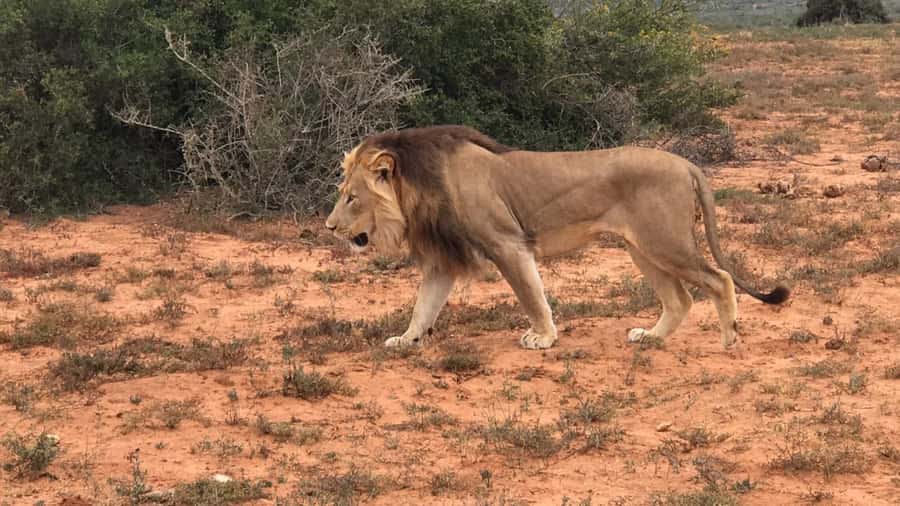
- Elephant-heavy, with Big 7 style odds: This park is a strong bet for African elephants, with sightings also possible for lions, hyenas, zebras, warthogs, antelope, and even the endangered black rhino.
- Jack’s Picnic Site lunch inside the park: You eat where the wildlife is, not back in town, which keeps the day feeling like an actual safari.
- Five habitat zones in one day: Addo’s range of environments helps explain why you can spot different species without leaving the park.
- Air-conditioned transport, safari-style driving: The ride is in an air-conditioned vehicle, and you’ll drive through the park to improve your chances.
- Guide energy matters: When the guide is engaged, the whole day feels more satisfying; when explanation is light, you still get the wildlife but less context.
- Pickup timing can make or break the day: If your group leaves late, you may have less prime-time wildlife viewing.
Addo from Port Elizabeth: what makes this shore excursion feel different
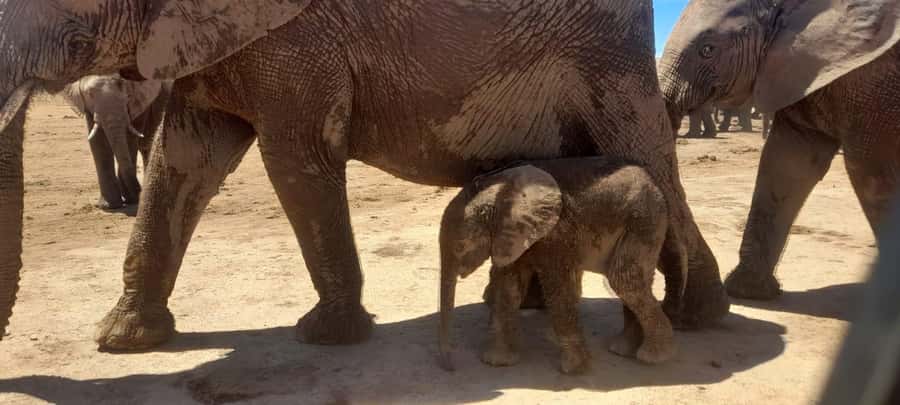
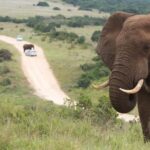
If you’re in Port Elizabeth for a day and you want wildlife that feels more like a real safari than a quick photo stop, Addo is one of the best choices in the Eastern Cape. Addo Elephant National Park is home to more than 600 African elephants and protects a mix of other indigenous animals, including lions, antelopes, warthogs, brown and spotted hyenas, zebras, and the endangered black rhino.
The biggest difference here is that you’re not just ticking off elephants. Addo covers about 180,000 hectares and includes five separate biomes, meaning the park isn’t a single “look the same everywhere” kind of reserve. Sub-tropical thicket, Nama Karoo, and grasslands create different scenes, and that helps explain why animal sightings can feel varied even within one day.
You’re also choosing the right type of day format for a shore visit. This is built as a guided day trip—hotel pickup options, transport, park entry, guided safari time, and a lunch break all bundled into one timeline. That matters when you don’t want to figure out gates, distances, and where to stop for food on your own.
You can also read our reviews of more tours and experiences in Gqeberha.
Price and value at $159 per person
At $159 per person for an 8-hour excursion, the value depends on what you compare it to. If you’re thinking about a private vehicle plus a driver, then this starts to look like a cost-effective way to get into Addo with a guide and park access. If you’re comparing it to booking something half the price, then the “why pay more” comes down to three things: guided safari time, lunch inside the park, and transport included from multiple pickup points.
Here’s what you’re getting for that price, based on the details provided:
- hotel pickup and drop-off from set locations
- lunch plus snacks and beverages
- park entry fees
- guided safari
- air-conditioned transportation
The day also includes a couple of comfort stops, which sounds minor until you’re trying to keep a long driving schedule from feeling exhausting.
One smart way to think about value: Addo sightings are never guaranteed, but longer guided time and being in the right habitat increase your odds. This itinerary builds in roughly a half-day of wildlife viewing, then a lunch break inside the park, then more wildlife viewing afterward.
How the day runs: pickup, transfer time, and where your time goes
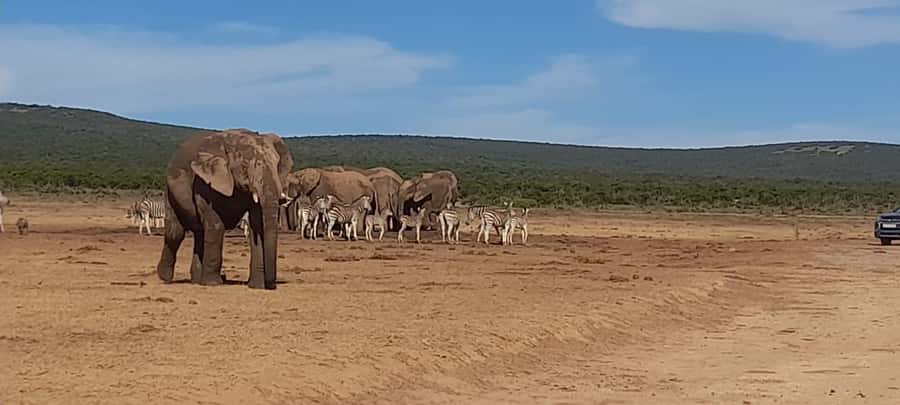
This excursion is set up like a “shore-friendly” day: you start with pickup, get transported to the park reception at the southern gate area, and spend most of your day inside Addo.
Your start point can vary. Pickup options include Addo, Port Elizabeth, Bluewater Bay, Harbour, Port Elizabeth International Airport, and Colchester (and you may also see Ematyholweni Rest Camp mentioned for the southern entry side). In other words, you’re not locked into a single meet-up place, which is useful when you’re docking and your group is spread across hotels.
From the pickup locations, there’s a 45-minute transfer to the park reception at the southern gate, about 40 km from Port Elizabeth in the Colchester area. That transfer time matters because it shifts your arrival into the park. If you want the best wildlife viewing, you’ll care about leaving on time and minimizing delays before you reach the first drive.
Once inside the park, the day is staged to keep you moving:
- a guided safari block (about 4 hours)
- lunch at Jack’s Picnic Site (around 1.5 hours)
- another guided safari/wildlife viewing block (about 3.5 hours)
- return travel with a final comfort stop before drop-off
That adds up to a long, full day, but it also explains why you’ll want comfortable shoes. You’re not trekking for hours, but you will likely be stepping in and out for viewing and breaks.
Inside the park: the guided safari blocks and what to watch for
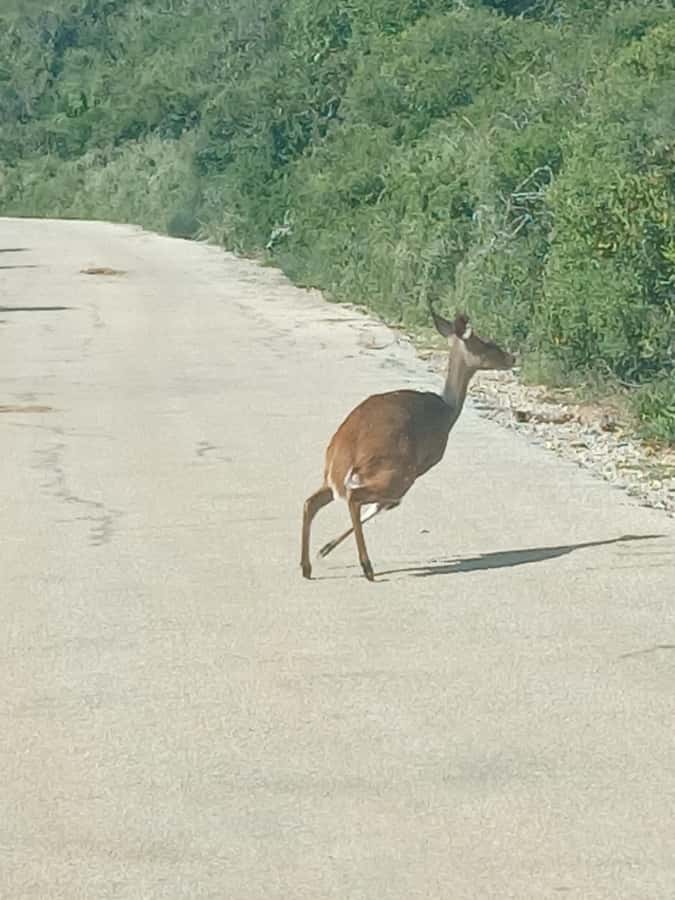
Your time in Addo is built around two guided viewing segments. The morning block gives you the first real shot at the big sightings. Addo’s elephant population is the anchor for the park experience, and lions, antelope, and hyenas round out the kind of dramatic wildlife that most people hope to see.
In your first guided drive, focus on two things:
- Elephants as movement clues
Elephants draw other activity patterns around water sources and open areas. When elephants are nearby, the whole park often feels “alive,” even if you’re still waiting for the moment you came for.
- Predators and scavengers as timing clues
Lions and hyenas are the kind of animals you may see when conditions line up. That can mean early in the day, later in the day, or when animals cross open routes. A good guide helps you read these possibilities.
The park drive isn’t just a straight line. You’re taking a slow safari route through designated game viewing areas and you’re “driving all over the park” to improve your chances. That roaming style matters because animals don’t hold still for your schedule. The best odds come from being in the right place at the right moment, and that usually means the driver is willing to adjust.
Also pay attention to habitat changes as you go. Addo’s different biomes aren’t just trivia; they change what animals you’re likely to spot. If you’re seeing more open grassland, you might have different viewing opportunities than you would in thicker thicket.
Jack’s Picnic Site lunch: why this stop is more than just a meal
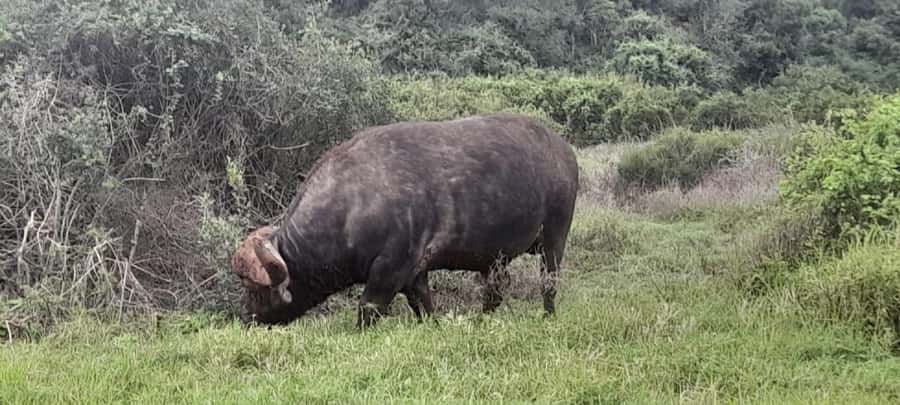
Lunch is one of the practical highlights of this excursion because it happens at Jack’s Picnic Site inside Addo Elephant National Park. That’s not always the case on shore tours, where lunch is often an afterthought in a distant town.
What makes Jack’s Picnic Site useful is the timing and the location. You get lunch after the morning safari block, and you’re still in the park during the break. That keeps the day from feeling like a “drive there, eat, drive back” routine.
From the details provided, the lunch format is picnic-style with BBQ mentioned, plus time to relax before the afternoon drive. The exact vibe will depend on group size and how the schedule lands, but the location means you’re likely still watching animals as you eat.
One tip if you want to feel fresh for the afternoon drive: treat lunch as a reset. Eat, drink, and use the break to cool down if the day is warm, because the later drive still runs with wildlife viewing as the main event.
Afternoon drive: raising your odds after lunch
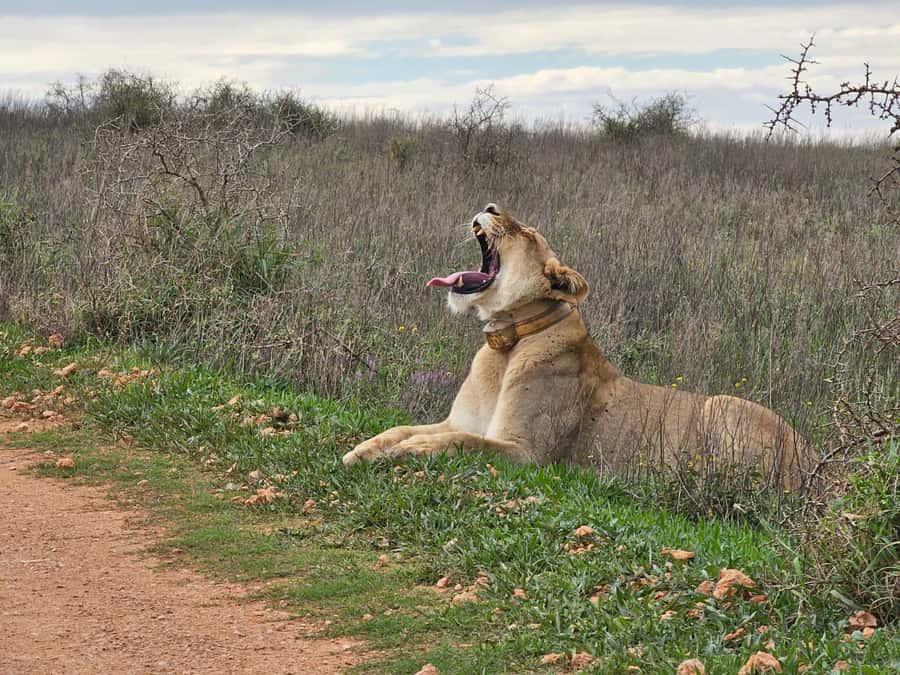
The second guided viewing block is where the day often wins or loses for wildlife lovers. After lunch, the plan is to drive through the park again to increase your chances of more sightings.
This is the part where you can get lucky with:
- more elephant encounters (often different groups)
- zebra and warthog sightings in open areas
- hyena activity where you can catch it in motion
- lion sightings if timing aligns
Because this is a single-day itinerary, I treat the afternoon as your “if you missed it earlier” chance. If the morning drive was heavy on elephants and you’re still hoping for something like lions, hyenas, or black rhino, the afternoon is your best window.
Keep expectations realistic. Addo is full of animals, but it’s still a wild park. The guide’s ability to read the terrain and adapt your route helps, and so does your own patience—wildlife doesn’t rush because your cruise schedule says so.
Transport comfort: air-conditioned vehicles and real safari driving
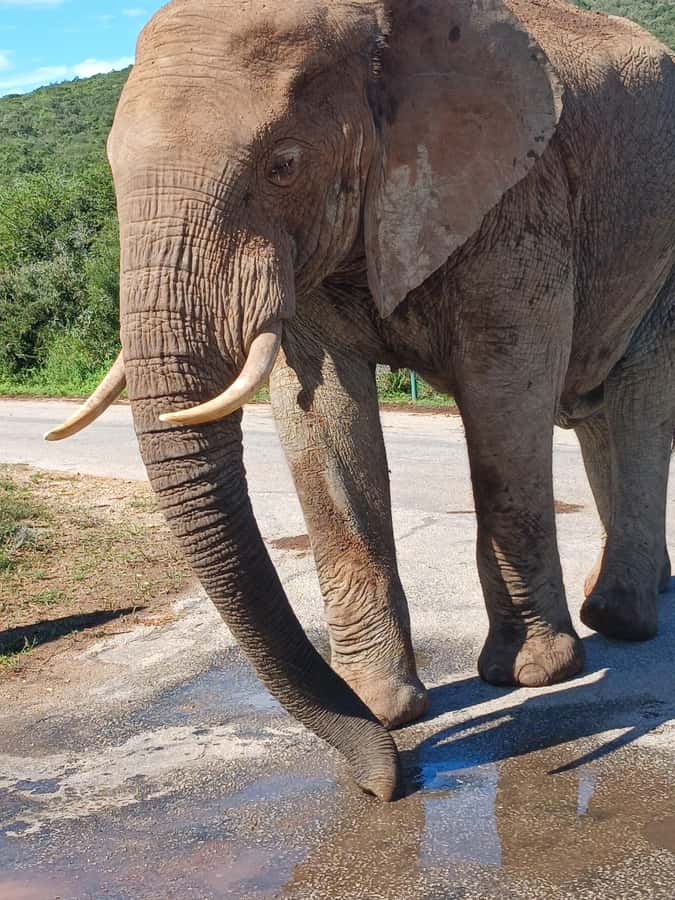
The transport here is described as fully air-conditioned with options like SUV or mini bus style vehicles. In practice, this matters a lot in South Africa’s warm conditions. It also helps you stay mentally sharp for the long viewing day, especially when you’re hopping between morning and afternoon.
You should expect frequent driving through the park. The goal is not just to get from point A to point B. The day is designed for road time to turn into wildlife time, with the vehicle stopping when animals are sighted.
One thing I’d plan for: if the group runs late due to pickup chaos or terminal issues, you may spend more time waiting for the right viewing window and less time in the best part of the day for animal activity. That doesn’t reflect the park’s quality—it reflects the calendar pressure that shore excursions carry.
Guide quality and animal explanations: what to watch for in the moment
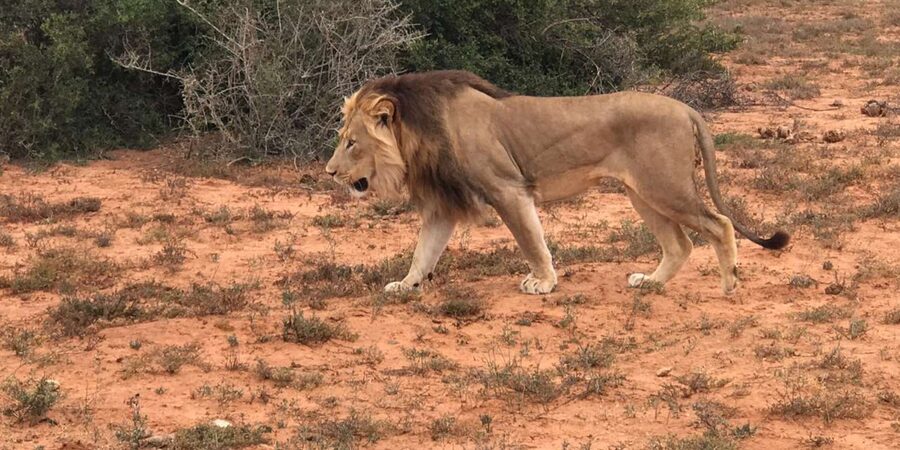
A guided safari succeeds on two levels: you see animals, and you understand what you’re looking at. This excursion includes a live English-speaking guide, and the details highlight “Quality Guides” and unlocking fauna and flora through guidance.
In the real world, guide energy can vary. Some people reported a very engaged guide who aimed to show as many animals as possible, including elephants in both solitary and herd situations and lions close enough for a strong viewing moment. Others felt the guide explanation was limited and that the vehicle style (a more closed van experience) reduced the feeling of being “in” the safari.
So what can you do with that knowledge? Here’s my practical advice:
- If you care about context, ask a quick question early in the drive. Even one good answer can make the rest of the day feel more meaningful.
- If you mainly care about wildlife sightings, don’t worry about fancy commentary. Focus on scanning and remember that elephants and other common animals may not create a dramatic story on every stop—sometimes it’s the steady sightings that matter most.
The tour is in English, and you’ll want to bring comfortable shoes for stop times and photo opportunities.
The big question: are you likely to see the animals you came for?
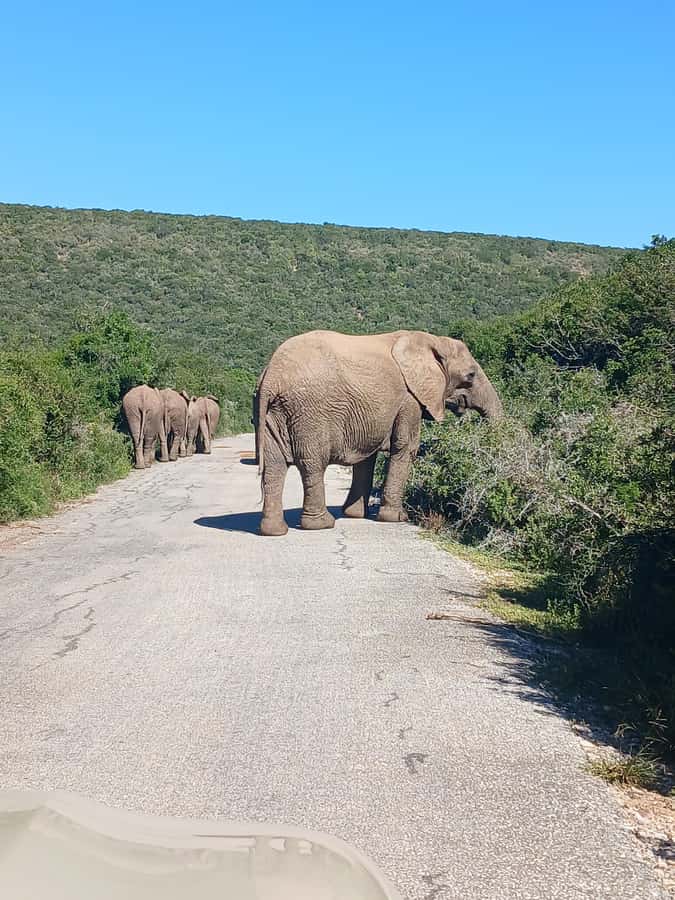
Addo is a serious elephant park. With more than 600 elephants, the chance you see elephants is genuinely strong compared to many other day trips in Africa.
You’re also in a park where sightings can include a mix of:
- lions
- antelopes
- warthogs
- brown and spotted hyenas
- zebras
- and the endangered black rhino (rarer, so treat this as a bonus hope)
The word to keep in mind is odds, not guarantees. This is still a wildlife park where the day’s sightings depend on animal movement and where the guide positions the vehicle.
To tilt odds in your favor, show up on time, stay patient during pickups, and use the full day. The afternoon drive isn’t filler. It’s where your wishlist sometimes gets checked.
Who this shore excursion suits best (and who should think twice)
This tour fits best if you:
- want a guided Addo safari without doing planning or vehicle rental yourself
- like the idea of a full day inside a national park, not just an hour or two
- are mainly after elephants and other classic South African safari animals
- appreciate lunch inside the park and want a smooth, pre-built schedule
It may be less ideal if you:
- need a very strict, no-delays schedule (some people experienced pickup confusion and late departures)
- want deep, nonstop expert narration throughout the day (some participants described light explanations)
- struggle with long periods of riding in a vehicle; note that the activity is marked as not suitable for people with mobility impairments
If you fall into the “I just want wildlife and don’t care about much else” category, you’ll likely be happy. If you’re more of a nature-lecture person, you’ll want to bring curiosity and ask questions.
Should you book Addo Elephant Park from Port Elizabeth?
If you’re looking for one solid wildlife day from Port Elizabeth that doesn’t require extra planning, I’d book this with confidence—especially for the elephant density and the fact that lunch happens inside Addo Elephant National Park at Jack’s Picnic Site. The structure is practical: morning safari drive, park lunch, then another viewing block to raise your odds.
That said, I’d treat timing as the make-or-break factor. If you can be patient with the pre-park portion and you’re ready for a long day, you’re setting yourself up for a strong safari experience. If your schedule is fragile, or you absolutely hate any chance of delay, then you should weigh alternatives that prioritize fixed departure times.
FAQ
FAQ
How long is the Port Elizabeth to Addo Elephant Park shore excursion?
The duration is listed as 8 hours.
Where does pickup happen?
Pickup is available from multiple locations, including Addo, Port Elizabeth, Bluewater Bay, Harbour, Port Elizabeth International Airport, Colchester, and Ematyholweni Rest Camp (southern entry side).
What is included in the price?
Included features are hotel pick-up and drop-off, lunch with snacks and beverages, park entry fees, a guided safari, and air-conditioned transportation.
What will I do during the day in Addo?
You’ll have guided wildlife viewing inside the park, enjoy lunch at Jack’s Picnic Site, and then do another guided wildlife viewing drive after lunch. Comfort stops are built into the schedule.
What animals might I see in Addo on this trip?
Addo is described as home to more than 600 African elephants. The itinerary also highlights possible sightings such as lions, antelopes, warthogs, brown and spotted hyenas, zebras, and the endangered black rhino.
Is the safari guide provided in English?
Yes, the live tour guide is listed as English.
What should I bring?
Wear comfortable shoes. You may also be required to sign indemnity forms.