
REVIEW · WARNEMUNDE
Rostock: Warnemünde and Rostock Half-Day Shore Trip
Book on GetYourGuide →Operated by ROSTOCK GUIDE Anne Kirchmann · Bookable on GetYourGuide
Two Hanseatic towns, one great cruise-day plan. You’ll get Warnemünde’s harbor charm and the astronomical clock inside St. Marien without losing the whole day to transit. I like the fact that the route uses public tram and train, so you experience the same rhythm locals do. The main tradeoff: it’s a walking tour on cobblestones, and there’s limited time to linger on your own.
This is the kind of excursion that works well when you want real town life in a short window—historic streets, a church interior you’ll remember, and then shopping time back in the center. Even better, you’re picked up right at the ship and brought back the same way, which keeps the day feeling calm instead of rushed.
In This Review
- Key Things I’d Pin to Your Map
- Your 5-Hour Cruise Day: Why This Route Works
- Meeting Your Guide at the Cruise Port (Am Passagierkai 6)
- Warnemünde on Foot: Half-Timbered Streets, Painted Boats, and a Real Harbor Feel
- The Local Transit Moment: Tram and Train Between Towns
- Rostock Old Town: St. Marien and the Astronomical Clock
- Town Squares, Shops, and That One-Hour Breather
- Walking Reality: Cobblestones, Timing, and Who This Tour Fits
- Price and Value: What $81 Gets You (and What You Still Pay For)
- Who Should Book This Half-Day Shore Trip?
- Should You Book This Tour?
- FAQ
- How long is the Rostock: Warnemünde and Rostock Half-Day Shore Trip?
- Where do we meet for pick-up?
- Is this tour mostly walking?
- What transportation is included?
- What are the key sights in Rostock?
- Is entry to St. Marien included?
- Will I have time to shop or wander on my own?
- Are food and drinks included?
- Can I bring luggage or large bags?
- Is the tour wheelchair-friendly?
Key Things I’d Pin to Your Map
- Half-timbered façades and old gabled houses in Warnemünde set the tone fast
- The Old Stream canal with painted boats and café stops gives you a proper seaside moment
- A public train + tram ride turns “getting there” into part of the sightseeing
- In Rostock, St. Marien’s church and its astronomical clock are the big payoff
- Your schedule includes real leisure time in the center, not just forced marching
- Group size is capped at 20, which makes timing and questions more manageable
Your 5-Hour Cruise Day: Why This Route Works
On a Baltic cruise day, you usually have two choices: do something big (farther away, longer bus time) or do something local and efficient. This trip does the second one—and that’s why it feels good. You’ll bounce between Warnemünde (the old fishing village vibe) and Rostock (the largest city in Mecklenburg) on a compact schedule.
What makes it work is the pacing logic: a guided introduction, a transit segment done with real local vehicles, then another guided block where the major sights get explained. Then you’re handed a pocket of time to wander and shop on your own. If you like towns where you can still find everyday life beyond the postcard view, this is a solid fit.
Meeting Your Guide at the Cruise Port (Am Passagierkai 6)
The biggest stress on shore trips is finding the meeting spot on time. This one keeps it simple: you’re picked up from the cruise ship port at Am Passagierkai 6. Look for the guide holding a sign with the tour name.
One practical note: this is not a “wander around until you spot something” situation. Your ship is the anchor point, and the guide is there to meet you. That’s a big deal when weather is iffy or when your ship’s tender schedule makes you feel like you’re always racing the clock.
Also, pack light for this day. Luggage or large bags aren’t allowed, so bring only what you need for a few hours on foot.
Warnemünde on Foot: Half-Timbered Streets, Painted Boats, and a Real Harbor Feel
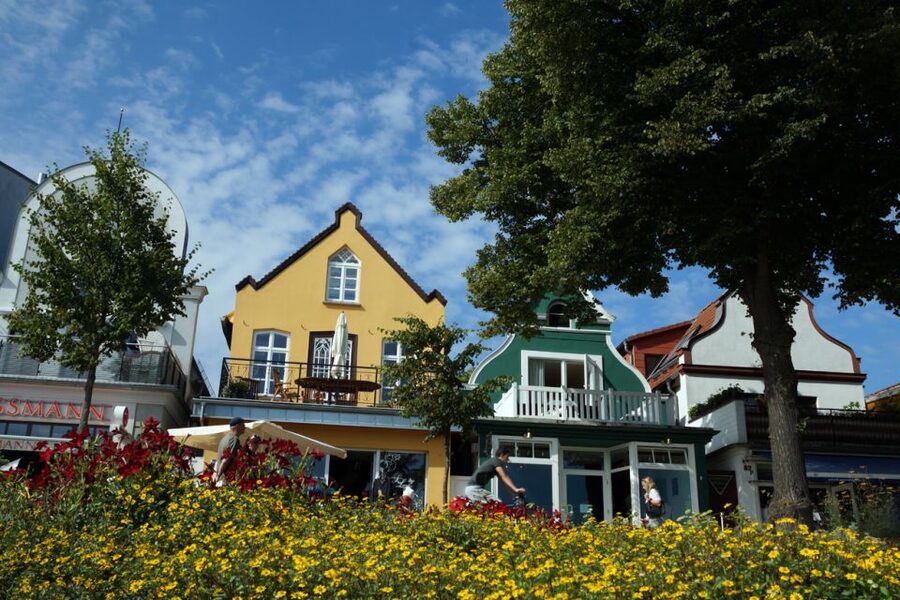
Warnemünde is the kind of place where you can tell it used to be a working seaside village. The tour starts with a guided walking segment that focuses on the town’s old character—especially the 18th- and 19th-century gabled houses with half-timbered façades and ornate door details.
That may sound architectural, but it’s practical sightseeing. These streets are where you’ll quickly understand the shape of the town: narrow lanes, historic fronts, and little visual cues that show how the community lived and traded. Even if you’re not a “buildings only” person, half-timber architecture is the easiest way to spot where history hides in plain sight.
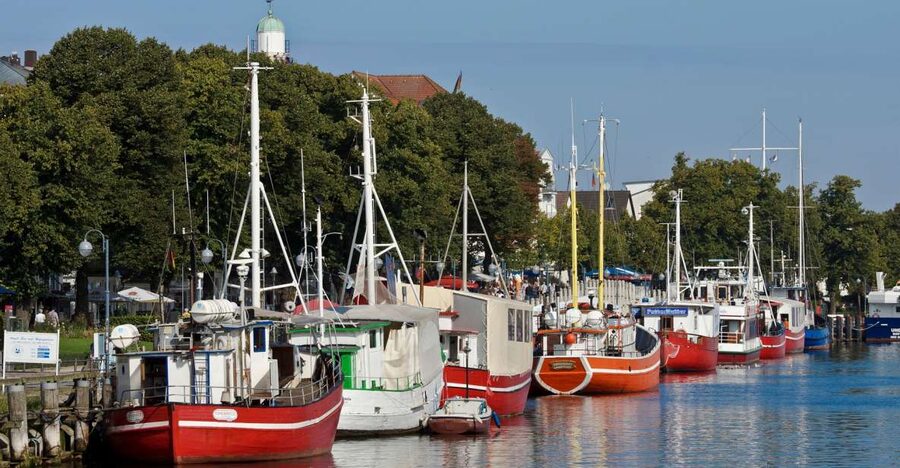
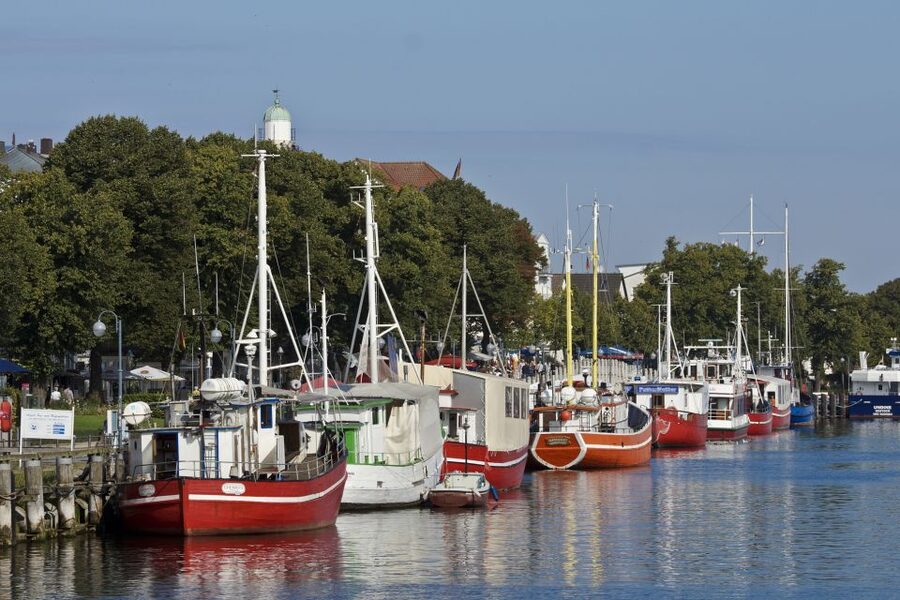
Then you shift toward the waterfront side of the story. The route includes the harbor area and the Old Stream canal, where you’ll see brightly-painted fishing boats and spot quaint cafés along the water. This is one of the best moments to slow down and do what tourists often skip: simply look at the details. Boat colors, canal reflections, and the way pedestrians move along the promenade make Warnemünde feel like a living seaside stop rather than a quick photo op.
A nice bonus is the flexibility after the guided walk: you can consider returning to browse boutiques or grab something to eat nearby. Food isn’t included, so plan to treat Warnemünde like a place you might want to extend your stay later—just not with too much expectation that there’s time for a full meal during the main program.
The Local Transit Moment: Tram and Train Between Towns
This is one of the most underrated parts of the experience. Instead of a private van that drops you at the next highlight, the tour uses public train and tram with included tickets. That means you’ll spend part of the day moving through the region the way locals do.
Why I like this approach: it breaks the monotony. It also gives you quick context for geography. Rostock isn’t just a sightseeing target; it’s connected to Warnemünde by everyday commuting routes. On a short shore day, learning the “how these places relate” piece matters as much as seeing the “what” of famous buildings.
It also helps your day rhythm. Once you’re in the flow, you don’t feel stranded. The group stays together, and your guide manages the timing so you don’t get separated while announcements or ticket checks happen.
One practical expectation: train and tram rides are where you’ll get a bit of a breather from walking. But it’s still not a sit-and-do-nothing tour—because the whole point is moving in a realistic way.
Rostock Old Town: St. Marien and the Astronomical Clock
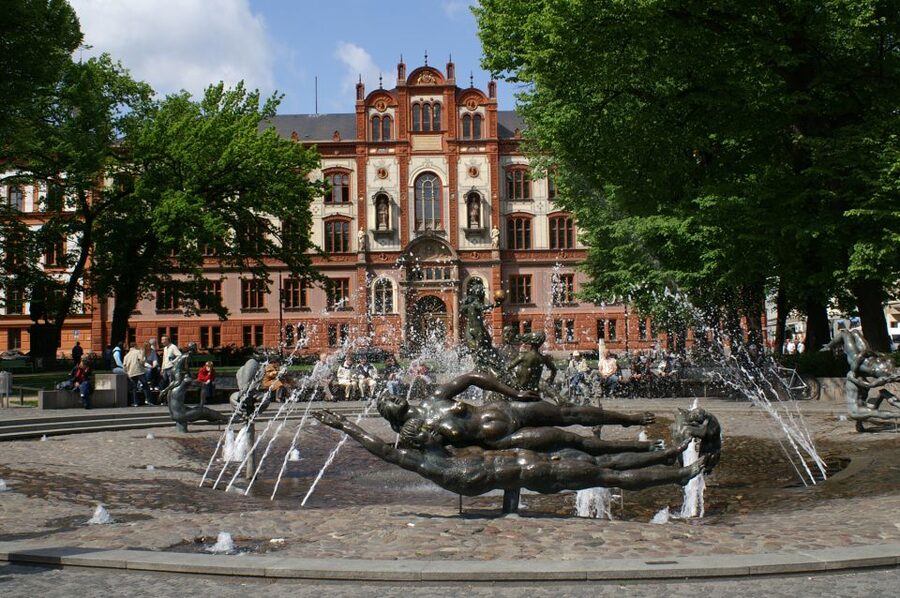
Rostock is where the trip levels up. You’ll have a guided walk that takes you through the Hanseatic university town feel—places like market squares and historic landmarks that explain why this city mattered.
The core highlight is St. Marien Church, and especially what’s inside. The program includes entrance to St. Marien, so you’re not stuck craning your neck from outside. The church and its astronomical clock are the kind of sights that feel more rewarding the moment you’re standing there in person. A clock like that isn’t just decoration; it’s a statement about how people once tracked time, knowledge, and the world around them.
Expect your guide to connect the dots between the church, the city’s identity, and how Rostock’s past shaped its present. Guides who lead this tour (from what I’ve seen reflected in who gets assigned—like Cornelia, Tobias, and Bernd) often focus on clarity and pacing. You’ll notice the day doesn’t turn into a nonstop lecture; it’s timed to match the walking flow and transit gaps.
You’ll also pass or discuss major historical sites tied to Rostock’s old power structures—like the medieval monastery of the Monastery of the Holy Cross and the medieval town wall concept. Even when you’re not entering everything, the guide framing helps you “read” the city as a connected whole.
And then there’s the central square area, where the mood changes from guided history to street-level life.
Town Squares, Shops, and That One-Hour Breather
A good half-day tour leaves room for real life. Here, you get leisure time in the center of Rostock, with about an hour carved out for wandering.
Use that hour strategically. If you want souvenirs or local treats, it’s your moment. If you just want to reset after cobblestones and church time, grab a bench, watch people pass, and let the city sink in.
This is also where shopping gets easier. A guided tour can show you the highlights, but your personal taste decides what’s worth extra attention. That hour lets you choose. Want a snack? You’ll have time. Want to browse storefronts in peace? You can.
If you’re the type who likes taking photos from slightly different angles, do it here. The best time to experiment with a camera setup is when you’re not also trying to stay in lockstep with the group schedule.
Walking Reality: Cobblestones, Timing, and Who This Tour Fits
Let’s be blunt: this is a walking tour. You should be able to comfortably walk for 15 to 20 minutes at a time. All participants should manage that rhythm across city streets.
You’ll also be on uneven surfaces. Rostock especially includes cobblestone areas, which can be charming and also tiring if you’re not used to it. Add some typical northern European weather swings and you’ll be glad you brought comfortable shoes.
Group size is capped at 20, which is usually a win: you get a more manageable dynamic than a huge cruise excursion herd. And from how the guides run the timing (names like Yvonne, Anne, Andres, and Daniel show up often), the best tours here keep the group together during transitions so you don’t spend your day worrying.
Not suitable for wheelchair users, and if you have mobility limitations beyond what the 15 to 20 minutes walking window allows, I’d choose a different option.
Price and Value: What $81 Gets You (and What You Still Pay For)
At around $81 per person for a 5-hour half-day, the value comes from the mix of guided sights and included transport.
Here’s what’s covered:
- Pick-up and drop-off at the cruise ship port
- An English-speaking guide
- Public train and tram tickets
- Entrance fee to St. Marien
What’s not covered:
- Food and drinks
So the math is pretty straightforward. You’re paying for time efficiency, guided interpretation, and the fact that the itinerary uses real transit instead of a costly private ride. If you’re the kind of traveler who would otherwise pay for a church entry and local transit separately, you’ll feel like the price is fair.
The extra benefit is less obvious but important: on cruise days, the cost of being late is high. This tour is organized around ship arrival windows and port meeting points, which reduces the chance of losing time to logistics.
Who Should Book This Half-Day Shore Trip?
This excursion fits best if you:
- Want to see two towns without spending the day on a bus
- Love a guided walk that explains what you’re looking at, especially St. Marien’s astronomical clock
- Prefer public transit rides over private vehicle time
- Can handle walking in sections (15–20 minutes) and are comfortable on cobblestones
It’s also a good match if you’ve already been to bigger German cities and you want a smaller, coastal-and-hanseatic day instead. Rostock and Warnemünde are different enough to keep the day interesting without requiring a long travel commitment.
Should You Book This Tour?
Yes—if you want an efficient, town-focused cruise day with real local transit and one standout indoor sight. I’d especially recommend it for first-time visitors who like historic centers and church interiors, but don’t want a full-day program.
Skip it if you need minimal walking, can’t manage cobblestones, or you’re hoping for long free time for a full meal and a slow browse. This trip gives you highlights plus a useful shopping window—but it’s still built as a guided schedule with walking as the backbone.
FAQ
How long is the Rostock: Warnemünde and Rostock Half-Day Shore Trip?
The tour lasts about 5 hours.
Where do we meet for pick-up?
Pick-up is from the cruise ship port at Am Passagierkai 6. Look for the guide holding a sign with the tour name.
Is this tour mostly walking?
Yes. It’s a walking tour, and you should be able to walk for 15 to 20 minutes at a time.
What transportation is included?
You’ll use included tickets for public train and tram between Warnemünde and Rostock.
What are the key sights in Rostock?
You’ll visit the church of St. Marien (including entrance), see the astronomical clock, and spend time in the town center near the market squares.
Is entry to St. Marien included?
Yes. The entrance fee to St. Marien (St. Mary’s Church) is included.
Will I have time to shop or wander on my own?
Yes. There is leisure time in the center of Rostock for shopping and independent wandering.
Are food and drinks included?
No. Food and drinks are not included.
Can I bring luggage or large bags?
No. Luggage or large bags are not allowed.
Is the tour wheelchair-friendly?
No. It is not suitable for wheelchair users.