REVIEW · TAURANGA
Tauranga Shore Excursion: Rotorua Highlights
Book on Viator →Operated by Zealandier Tours · Bookable on Viator
Geothermal steam and Māori music, all day. This Tauranga to Rotorua shore excursion packs in the Māori living village with a traditional welcome and haka, plus the Pohutu Geyser eruption and hot-spring cooking methods the community once relied on. I love how the day feels like a real story from the inside, not just stops on a map. The main drawback: lunch is at your own expense and some side stops are short, so you’ll want comfortable shoes and patience.
You start with a quick port transfer and live commentary on the drive, then you’re off through New Zealand’s lake-and-farmland vibe toward Rotorua. I like that the tour is built around the big Rotorua moment at Whakarewarewa, then adds in nature and local flavor without pretending you’ll do everything. If your ship schedule shifts, the operator aims to keep the day timed to return you safely.
In past departures, guides like Stephen (driver) and Rolf (guide) have helped make the route entertaining, while village hosts such as Chief Wes and guides like Kylie and Jessie have led the cultural and thermal parts with energy. One practical thing to know: the group cap is 40, so you’re not alone—but it also means you should listen closely when instructions are given.
In This Review
- Key things that make this Rotorua day work
- Tauranga port to Rotorua: the road trip you actually use
- Mount Maunganui: why this beach town opens the day
- Te Puke kiwifruit stop: the tasting is the point, but so is the context
- Redwoods at Whakarewarewa Forest: quick, scenic, and useful for bathroom breaks
- Government Gardens: a fast look at central Rotorua’s calmer side
- Rotorua lunch on your own: plan it smart so it doesn’t steal your village time
- Whakarewarewa Living Maori Village: the core experience, explained in human terms
- Walking and comfort considerations
- Your best strategy on arrival
- What you see around the geysers: steam, mud, cooking, and the timing drama
- Kaituna Falls and Trout Pool: a quick finish with outdoor energy
- Price and value: is $152.04 worth it?
- The best fit: who should book this Tauranga to Rotorua tour
- Quick tips to make your day smoother
- Should you book Rotorua Highlights from Tauranga?
- FAQ
- What is the duration of this Tauranga to Rotorua shore excursion?
- What time does it start, and where do I meet?
- How much does it cost per person?
- What’s included in the tour price?
- Is lunch included?
- Is there a guarantee you’ll get back to the ship on time?
- How long do you spend at Whakarewarewa?
- Can I cancel if my plans change?
Key things that make this Rotorua day work
- Whakarewarewa’s Pohutu Geyser timing is the headline, and you’ll be there long enough to see it
- A real Māori living village experience, not a roadside show
- Hot springs + mud pools explained with everyday uses tied to local life
- Te Puke kiwifruit stop with a genuine orchard visit and tasting
- Short stops that solve real cruise-day problems, like bathroom access and quick viewing
- Worry-free return to your ship with flexible start/end times based on port timing
Tauranga port to Rotorua: the road trip you actually use
This is a full-day shore excursion designed for cruise timing. You meet at the Port of Tauranga area and head out from Mount Maunganui, then the bus ride becomes part of the experience. The tour includes live commentary on board, so you’re not just watching scenery go by. Expect the day to feel structured: drive, brief stop, drive, then the longer Rotorua sections where you’ll be glad you came.
One thing I appreciate is how the itinerary is paced for a day trip. Rotorua is famous, but it’s also far enough from Tauranga that you need to think like a cruise passenger: you’re trading flexibility for depth. The operator builds in time for the thermal village first, then adds other stops as connectors (and yes, they often function as bathroom and legs-stretch breaks).
Group size matters here. The maximum is 40 travelers, which keeps things manageable. In some departures the group is even smaller, which can make the tour feel less rushed and easier for everyone to hear the guide. Still, even with a smaller group, the day is busy. You’ll want to keep your schedule-simple: no planning to squeeze in extra activities on your own near Rotorua afterward.
A few more Tauranga tours and experiences worth a look
Mount Maunganui: why this beach town opens the day
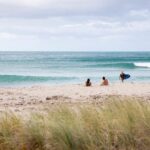
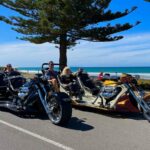
The tour includes an early stop in Mount Maunganui, known for its beach-and-seaside identity. It’s a short window, more about setting the tone than doing a full walk. If you like taking five minutes to breathe, stretch, and orient yourself, this is a decent first reset.
Also, it’s practical. Since you’re leaving from the port area, this stop helps reduce that first “what do we do with our legs?” feeling. If weather is cold or windy, this quick stop is also a reminder to bundle up before the longer bus hours.
Te Puke kiwifruit stop: the tasting is the point, but so is the context
Next comes Te Puke, often described as New Zealand’s kiwifruit capital. You get a guided orchard visit and learn how important kiwifruit is in this region. This is not just a photo stop. The best part is the tasting: you’ll sample locally connected fruit flavors, which helps you connect Rotorua’s geothermal vibe to the rest of the North Island economy.
This is also one of the easiest moments in the day to enjoy without needing lots of walking. It’s a comfortable breather before the longer drive and the later Rotorua museum-like experience of the thermal village.
Practical note: it’s an orchard visit, so even if it’s not a long hike, it can still be uneven. Wear shoes you don’t mind getting a little dusty.
Redwoods at Whakarewarewa Forest: quick, scenic, and useful for bathroom breaks
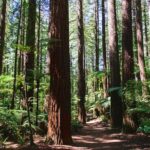
Rotorua doesn’t just mean geysers. It also means forests, and the tour stops in the Redwoods at Whakarewarewa Forest area. You get a short visit—about 15 minutes—so treat it like a pause, not an extended nature walk.
Here’s why that matters on a cruise day: the schedule needs bathroom opportunities, and redwoods are a practical place to do it. I like that this stop gives you the chance to stand under tall trees and feel the change from heat and steam to fresh forest air, even if you won’t see much beyond the immediate area.
One more practical reality: the day is time-tight. If you’re someone who wants every stop to be longer, you’ll feel the crunch here. But if you want a good taste of the area and a quick reset, it does the job.
Government Gardens: a fast look at central Rotorua’s calmer side
Next is the Government Gardens near the lake edge in downtown Rotorua. This is another short stop, designed to let you see the area without breaking the day. It’s also a chance to look at Rotorua when it’s not steam-and-mud first.
Even though it’s brief, I think it’s worth it. These kinds of stops give your photos variety and keep the day from feeling like a single “geothermal only” theme. If rain moves in, a short garden walk can still be better than skipping it entirely.
If your goal is only the living village and geysers, you might feel this stop is filler. But if you enjoy getting a sense of Rotorua’s layout and vibe, it helps you understand where everything sits relative to the lake and town.

Rotorua lunch on your own: plan it smart so it doesn’t steal your village time
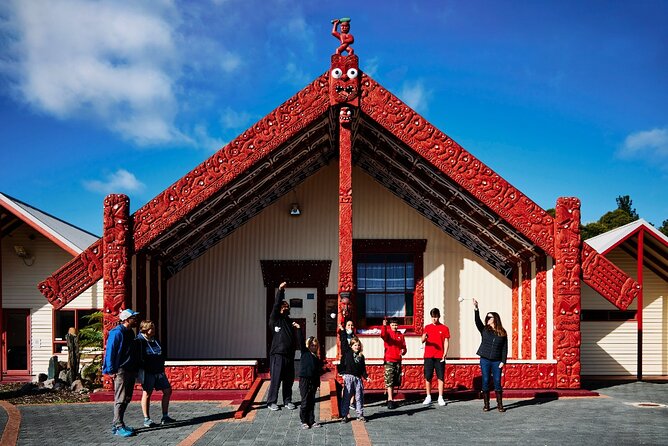
Lunch in Rotorua is at your own expense. The tour heads to a cafe area where you can purchase something, or wander the lakefront nearby. Time for lunch is around 45 minutes.
Here’s the key: with a day like this, lunch isn’t just about food—it’s about timing. If you take too long, the itinerary gets squeezed and you’ll lose time at the thermal village or later stops.
If you’re traveling with anyone who needs a slow pace, it helps to order quickly or pick a meal you can eat without hunting. If you know you’ll skip lunch, you may feel happier overall. Some departures even see guests opt out of the full lunch portion to make sure they have time for the main show.
Also, the tour includes a tasting of local fare as part of the experience. So your lunch can be a lighter affair if you want.
Whakarewarewa Living Maori Village: the core experience, explained in human terms
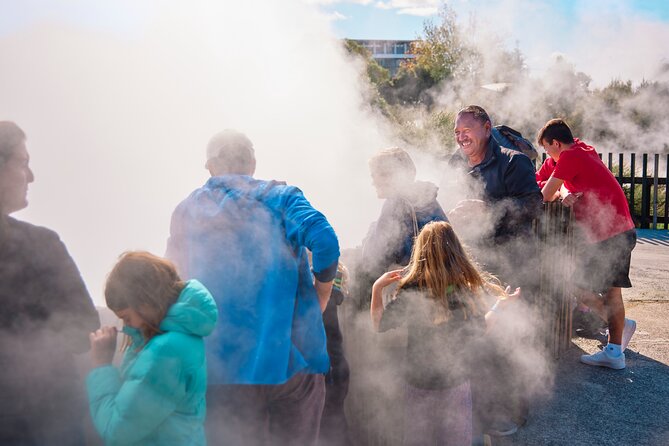
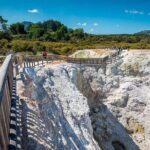
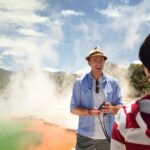
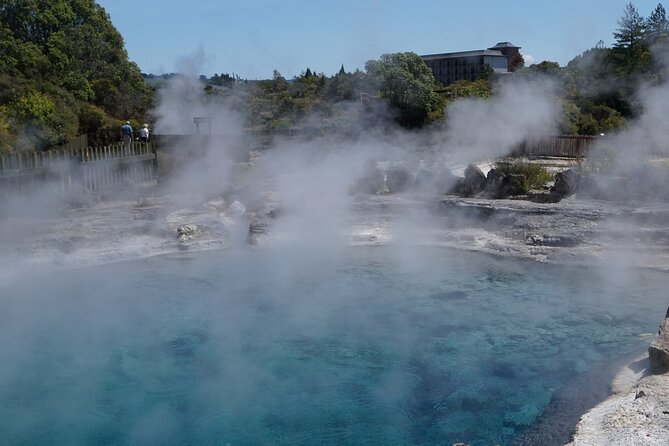
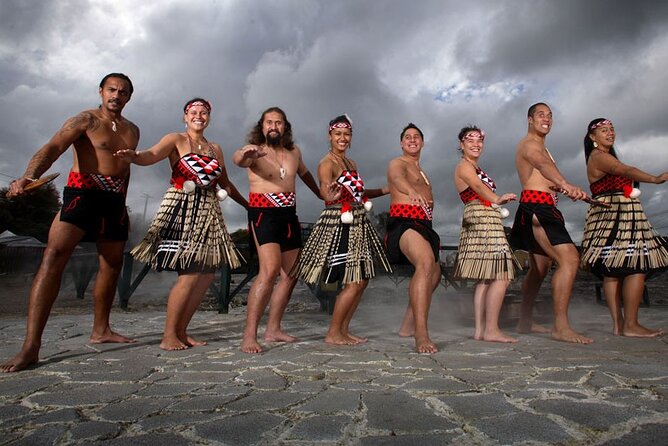
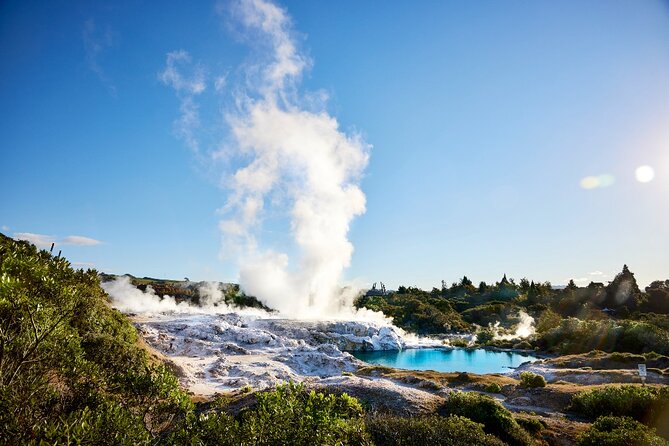
After lunch, you arrive at Whakarewarewa, the heart of the thermal experience. This is where the day earns its reputation. You’ll spend about two hours here, led by a Māori guide, moving through hot-spring areas and mud pools, and witnessing the eruption of the Pohutu Geyser.
What I love about this stop is the way it ties science-level geothermal activity to practical daily use. You’ll hear how steam from bubbling pools was used for everyday functions—an idea that makes the whole place feel less like a theme park and more like how people once lived. The thermal setting does the visual work, but the guide provides the meaning.
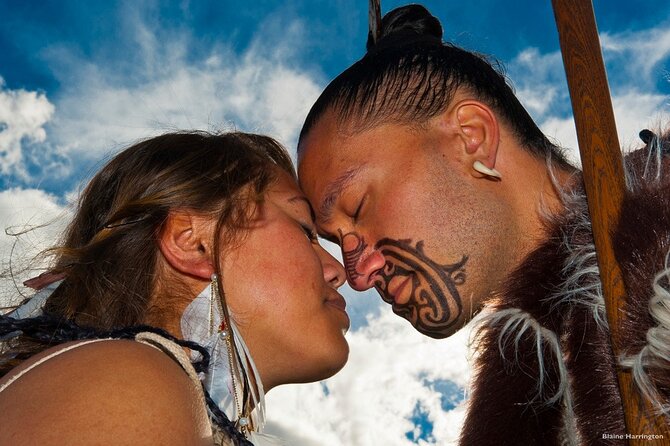
The village cultural element is a major highlight too. You start with a traditional welcome, then there’s a performance of song and dance, including a haka. In the best moments, the guide’s humor and teaching style makes the performance feel like communication, not a script.
Guides matter here. In past trips, the village experience has stood out thanks to hosts such as Chief Wes and guides like Kylie and Michael, who brought both personality and clarity. If you get someone with that kind of delivery, your two hours will feel fuller and easier to follow.
Walking and comfort considerations
The thermal terrain can be uneven, and you’re on your feet for most of this section. One review specifically flagged that you should not count on easy, smooth paths. If you have mobility limits or trouble standing/walking on irregular surfaces, bring a careful attitude—or consider a different tour format.
Your best strategy on arrival
Pay attention during instructions. In a setting like this, small timing choices matter. If you want good sightlines for the geyser moments, you’ll do better by staying with the group and following the flow rather than sprinting ahead.
What you see around the geysers: steam, mud, cooking, and the timing drama
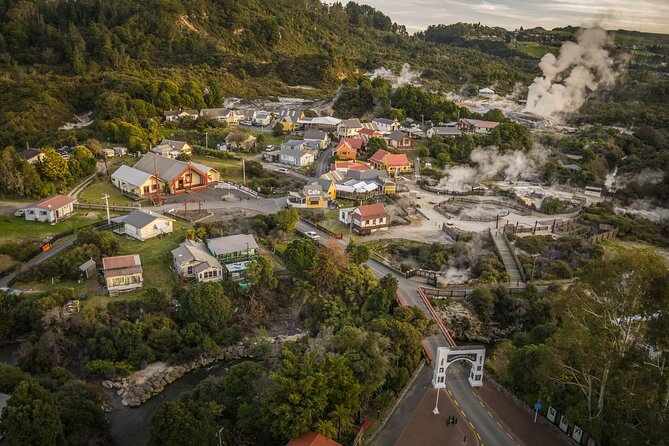
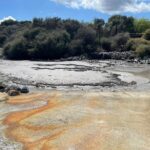
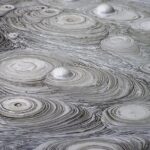
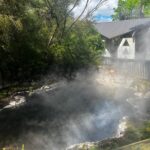
Rotorua’s geothermal area can look wild even from a distance, but the reason it’s famous is what’s happening continuously and what you’re shown up close. At Whakarewarewa, you’ll see erupting hot springs and bubbling mud, not just one impressive spot.
The Pohutu Geyser eruption is the big payoff. The tour is timed so you’re not only present in the general area—you’re there long enough to experience it. That’s a big deal for cruise travelers, because you don’t get multiple tries the way land-based visitors do.
Also, take note of the small “how did they do that?” demonstrations. One of the best-feeling parts of these guided thermal visits is when you see how the steam and heat were used for things like cooking. It makes the whole area feel functional, which is exactly what people mean when they call it a living village rather than a staged exhibit.
Kaituna Falls and Trout Pool: a quick finish with outdoor energy
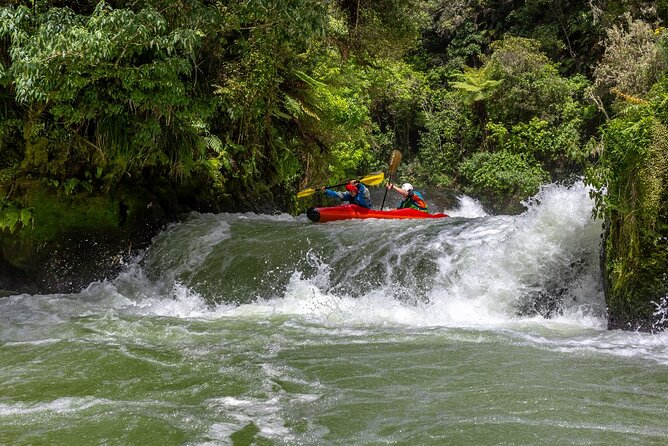
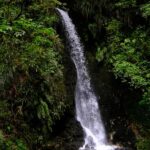
On the way back, the tour stops at Kaituna Falls and the Kaituna Rapids and Trout Pool area. This is a short final nature stop—about 20 minutes—and it’s meant to end the day with something Kiwi outdoorsy.
You might even catch signs of white-water rafting activities if rafters pass through. Even if you don’t see boats, it’s still a scenic break before heading back toward Tauranga.
If it’s raining, don’t be surprised. Rotorua weather can change fast, and this is one of the reasons earlier packing matters. A light jacket and a plan for damp clothing help a lot here.
Price and value: is $152.04 worth it?
At $152.04 per person, this tour isn’t cheap, but it’s also not just a “bus and photos” day.
Here’s the value math that matters for a cruise passenger:
- You’re paying for port pickup and drop-off, plus an air-conditioned vehicle.
- You get live commentary during the long drive.
- Entry is included for the Whakarewarewa thermal village experience.
- You get a tasting of local fare.
- And crucially, the operator offers a worry-free setup aimed at getting you back to the ship on time.
What you don’t get (unless specified) is a full lunch or unlimited drinks. Meals are generally on your own at the Rotorua cafe stop.
So the real question is: do you care about the living Māori village and geothermal show enough to justify spending most of the day there? If yes, the price feels reasonable for what’s packed in. If you only want one or two sights and would rather control your own timing, you might prefer a less structured day.
The best fit: who should book this Tauranga to Rotorua tour
This excursion is a good match if you:
- Want a one-day Rotorua overview that still gives real time at the main geothermal village
- Enjoy learning how Māori culture connects to land and geothermal activity
- Like practical shore excursions that prioritize returning to the ship
It’s less ideal if you:
- Need lots of long breaks at each stop
- Have trouble with standing/walking on uneven ground
- Get frustrated by schedule pressure (because it’s designed for cruise timing)
If you’re traveling with older relatives, it can still work. Just go in with the same advice that helps everywhere: use bathroom stops early, don’t wait until the last second, and keep footwear comfortable.
Quick tips to make your day smoother
- Wear comfortable walking shoes with grip. Thermal areas and outdoors can be uneven.
- Use bathroom breaks early. There are short stops throughout the day, and they matter.
- Think of lunch as time-critical, not a leisurely meal.
- Stay with the group at Whakarewarewa so you don’t miss key moments like the Pohutu Geyser.
- Bring a jacket even if the day starts sunny. Rotorua can shift, and you’ll be outside part of the time.
Should you book Rotorua Highlights from Tauranga?
If your cruise port time allows one Rotorua day and you want the big-ticket combo—Whakarewarewa’s living Māori village + Pohutu Geyser—this is the kind of shore excursion that makes sense. The day is built to deliver the main experience without leaving you scrambling for timing, and it includes the stops that most visitors actually need: kiwifruit flavor, forest atmosphere, central gardens, a practical lunch window, and a final nature finish at Kaituna Falls.
I’d book it if you’re excited by culture and geothermal wonders and you can handle a packed schedule. I’d think twice if mobility is a concern or if you want long, slow time in each location. For most cruise travelers aiming for one memorable Rotorua day, this one is a strong choice.
FAQ
What is the duration of this Tauranga to Rotorua shore excursion?
The tour runs about 7 hours.
What time does it start, and where do I meet?
The start time is 9:30 am, and the meeting point is Port of Tauranga Ltd, 2 Salisbury Avenue, Mount Maunganui 3116, New Zealand.
How much does it cost per person?
The price is $152.04 per person.
What’s included in the tour price?
Included items are the driver/guide, live commentary on board, port pickup and drop-off, local fare tasting, and an air-conditioned vehicle. Whakarewarewa entry is also included.
Is lunch included?
No. Lunch (and meals in general) are at your own expense unless specified at booking.
Is there a guarantee you’ll get back to the ship on time?
Yes. It’s described as a worry-free shore excursion with guaranteed on-time return to your ship, along with flexible start/end times to match ship schedule.
How long do you spend at Whakarewarewa?
About 2 hours at Whakarewarewa, including the guided cultural and thermal experience.
Can I cancel if my plans change?
Free cancellation is offered up to 24 hours before the experience start time for a full refund.