REVIEW · TONGATAPU ISLAND
Nuku’alofa Shore Excursion: West Coast Scenic Tour
Book on Viator →Operated by Teta Tours and Travel Ltd · Bookable on Viator
Blowholes sound like the sea has a cannon. This half-day outing follows Tongatapu’s southwestern coast and turns big nature into a guided story, from booming surf at Mapu’a ’a Vaea to the strange 3 headed coconut stop. I also like the small group size (up to 15), because it keeps the drive-to-stop time more personal with a local guide like Cecilia. One drawback to plan around: the vehicle and timing can feel hit-or-miss, with some people noting long drives between stops and others mentioning an older bus.
If you’re trying to see the main natural highlights without renting a car, this is a straightforward way to do it. You get port pickup and drop-off at Vuna Wharf, plus a mobile ticket, which helps when you’re on a cruise schedule. The tour runs on twice-daily departures, so you have a better chance of matching your ship’s arrival and departure times.
In This Review
- Key Highlights You’ll Notice Right Away
- West Coast Scenic Tour: What You’re Really Getting for $61.54
- Vuna Wharf Pickup and the Small-Group Pace
- Stop 1: The 3 Headed Coconut You Can’t Find Anywhere Else
- Passing Maui’s Throwing Rock and the Coastal Story Drive
- Stop 2: Tsunami Rock and the 10-Metre Scale of Nature’s Force
- Stop 3: Mapu’a ’a Vaea Blowholes at Houma
- Stop 4: Kolovai Flying Fox Sanctuary and the Royal Wildlife Angle
- Stop 5: Abel Tasman Landing Site on Tongatapu’s Northern Tip
- Timing, Food, and What to Bring for a Smooth 3-Hour Tour
- Comfort and Bus Reality: What to Expect On the Road
- So Who Should Book This Tour?
- Should You Book the West Coast Scenic Tour?
- FAQ
- FAQ
- How long is the West Coast Scenic Tour?
- Where is the pickup and drop-off location?
- Does the tour include food or lunch?
- Are admissions included for all stops?
- How big is the group?
- Does the tour offer multiple departure times?
- What’s the cancellation window?
Key Highlights You’ll Notice Right Away
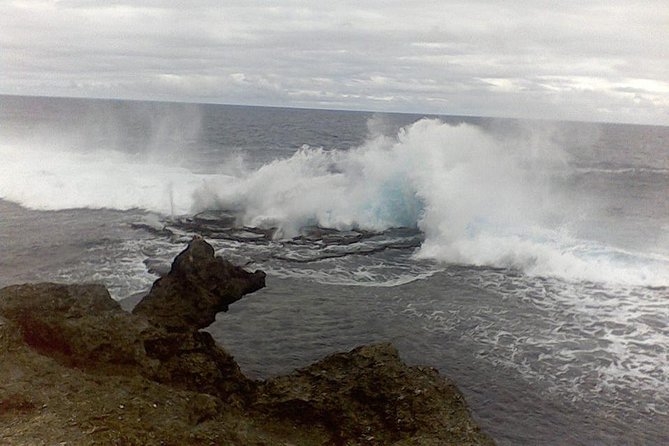
- Mapu’a ’a Vaea Blowholes: constant coastal activity with loud, dramatic bursts
- Tsunami Rock: a 10-metre boulder tied to an event described as a huge tsunami
- Kolovai Flying Fox Sanctuary: fruit bats in numbers, linked to Tongan song and legend
- 3 Headed Coconut: a Tonga-only oddity you can tick off early
- Small group with a local guide: better explanations than a rushed drive-by
West Coast Scenic Tour: What You’re Really Getting for $61.54
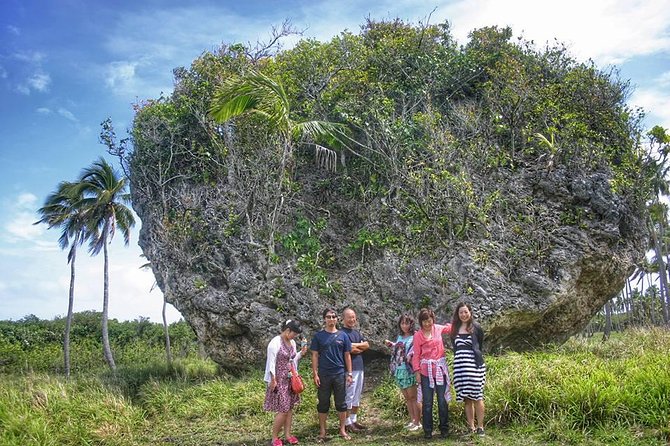
At $61.54 per person for about 3 hours, the value here comes from what’s included and what isn’t. You’re paying for a local guide, all stops on the route, and Vuna Wharf pickup and drop-off. It’s not a beach day with lunch; it’s a tour built around a tight sequence of nature and cultural landmarks.
This price can make sense if you want the route planning done for you. Tongatapu’s west coast highlights are spread out, and shore time is precious. If you’re trying to do all that solo, you’d likely spend more on transport and still miss the story behind each stop.
The big tradeoff is that you’re on a schedule. Some parts of the route involve longer drives between highlights, so you’ll get the most out of it if you’re okay with “see, listen, move on.”
A few more Tongatapu Island tours and experiences worth a look
Vuna Wharf Pickup and the Small-Group Pace
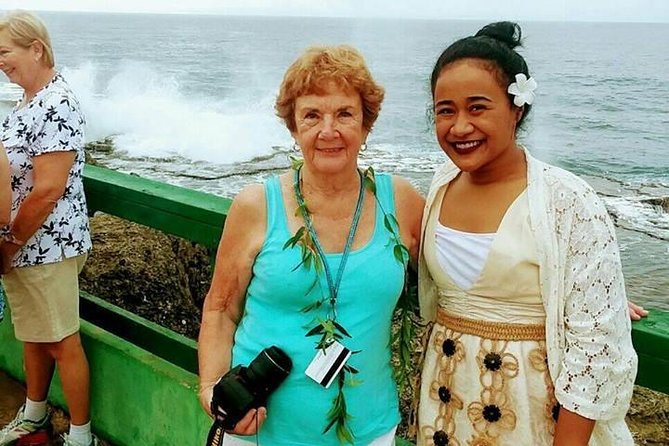
The meeting and ending point is Vuna Wharf in Nuku’alofa, which is convenient if you like clear, port-based logistics. The tour also offers pickup, and you’ll use a mobile ticket, so there’s less paper to manage once you’re off the ship.
Two practical things help you enjoy this more:
First, arrive early at the wharf area. There have been moments where pickup timing and meeting details didn’t match what some people expected, so being in the right spot ahead of time matters. Second, mentally budget for a bit of sitting during the drive legs—this tour is scenic, but it’s still a circuit.
Group size is capped at 15 travelers, which usually means you’re not stuck behind a long line or in a herd. In the best moments, your guide gives you context as you travel, not just at the stops.
Stop 1: The 3 Headed Coconut You Can’t Find Anywhere Else
The tour starts at 3 Headed Coconut, a quick stop that’s timed at about 10 minutes. The standout detail is simple and memorable: Tonga is described as the only place in the world to find a 3 headed coconut like this.
Because the stop is short, it works well early in the tour. You’ll get your first fun, photo-worthy novelty before the bigger nature stops. Also, it’s listed as admission-free, which makes the opening feel like a win rather than a paid detour.
Potential catch: it’s brief. If you’re hoping for a long walk or deep explanation here, you might find yourself wishing for more time. But as a quick Tonga-only curiosity, it fits the tour’s pace.
Passing Maui’s Throwing Rock and the Coastal Story Drive
On the way along Tongatapu’s southwest side, you pass the well-known Maui’s throwing rock landmark. Even if you only catch it from the road, it’s a neat reminder that this coastline is part geography and part myth.
This is where a good local guide helps. On tours like this, the drive is more than transport—it’s your context. You’ll hear why the coast matters and how the locations connect to Tongan culture and stories.
If you’re prone to getting restless during bus time, bring something small to keep you comfortable. A short tour moves fast, and the longer road stretches can feel like the “price” of getting to the remote stops.
Stop 2: Tsunami Rock and the 10-Metre Scale of Nature’s Force
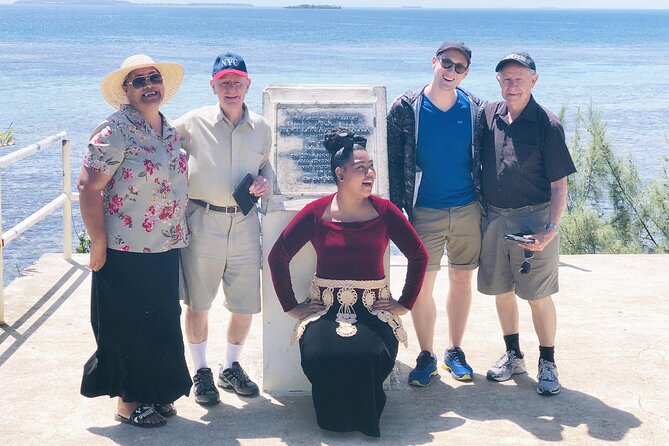
Next is Tsunami Rock, a 10-metre-high boulder described as sitting about 200 metres from the coast. The reason it’s famous is the story tied to its placement: it arrived there via a tsunami estimated up to 35 metres high.
This stop is short—about 10 minutes—and it’s not an “easy to ignore” kind of sight. When you see a massive boulder sitting inland from the sea, it turns storm talk into something physical. Even if you don’t obsess over the numbers, the scale makes the point.
One practical detail: admission isn’t included here. So if you want to avoid any surprise, assume you may pay a small amount at the stop. If you’re trying to budget tightly, keep a little cash on hand just in case.
Stop 3: Mapu’a ’a Vaea Blowholes at Houma
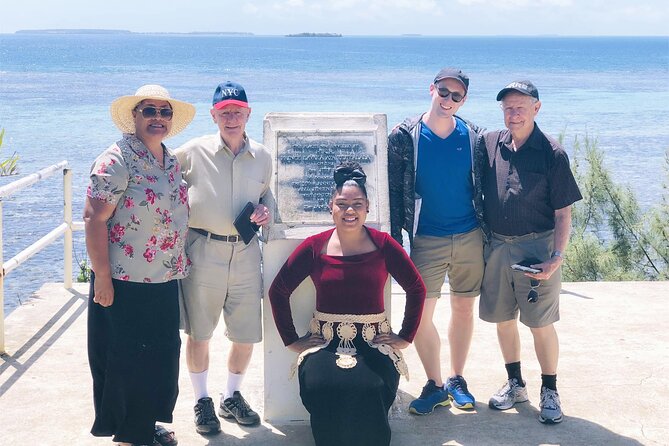
Then comes the main event for sound lovers: Mapu’a ’a Vaea Blowholes at the village of Houma. The idea is straightforward—you’re watching rugged coastline where the sea forces water upward again and again.
You can expect a “never-ending” pattern rather than one big moment. The coast is described as having four miles of coastal blowholes, which helps explain why this part of Tonga’s shoreline feels so alive. The tour description also leans into the drama: listen for the booming detonations as the blowholes fire.
Plan for this stop to be about 15 minutes. That’s enough time to catch a few bursts, but not enough for a long, slow hang. If you’re sensitive to loud noises, it’s still manageable—just know it can get intense when the blowholes activate.
Also note: admission isn’t included at this stop either. If you have never done blowholes before, don’t assume it’s free to watch.
Stop 4: Kolovai Flying Fox Sanctuary and the Royal Wildlife Angle
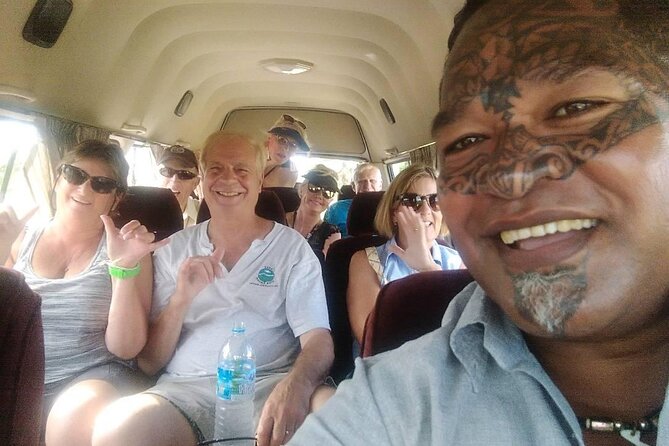
Kolovai is one of the stops people are most likely to remember, and for a good reason. It’s a flying fox sanctuary at the village of Kolovai, home to hundreds of fruit bats. The tour notes that these bats are part of Tongan song and legend going back “from time immemorial,” which is a good reminder that this isn’t just wildlife tourism—it’s cultural geography too.
Here’s the element that makes Kolovai feel extra special: the bats are described as a type of wildlife that only Tongan nobles can eat. That gives the sighting a different angle. Instead of a generic “look at animals,” you’re seeing something tied to traditional hierarchy and custom.
The stop is listed at 10 minutes, and admission is free. From the descriptions, the bats are harmless and they often appear still (not aggressively moving around). That means you’re more likely to spend your time watching silhouettes and listening for small sounds than dodging anything chaotic.
One more practical note: the sanctuary vibe can be a little weather-dependent. If it’s humid or hot, you’ll feel it while standing and watching, so bring water and keep your expectations realistic for a short stop.
Stop 5: Abel Tasman Landing Site on Tongatapu’s Northern Tip
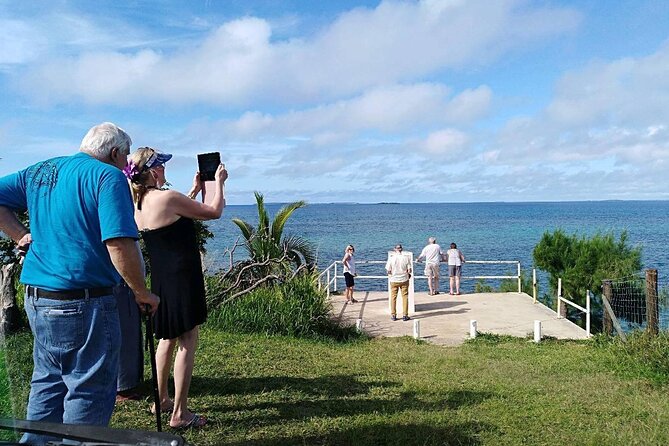
The final stop is Abel Tasman Landing Site, located on the most northern tip of Tongatapu. Here you’re shifting from nature spectacle to human history—at least the kind that left a physical marker.
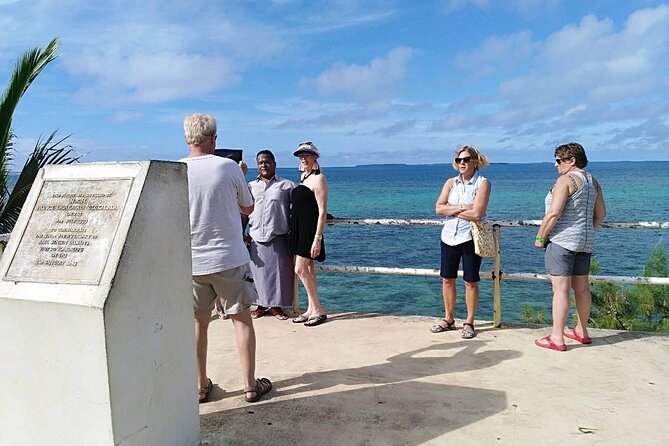
An information sign tells about the first encounter with the Dutch explorer’s crew, and there’s also a plaque commemorating that moment. This stop keeps the tour well-rounded: you get sea power, myth-linked landmarks, and then a brief “who arrived and when” viewpoint.
It’s also listed as admission-free, with a 10-minute time slot. If you like your tours to end with something calm and reflective, this works. If you’re hoping for a lot of on-site wandering, it won’t be that kind of stop. It’s more about reading the info and moving on.
Timing, Food, and What to Bring for a Smooth 3-Hour Tour
This is a 3-hour shore excursion with no food or drinks included. That’s a key point because some people assume lunch happens on half-day tours like this. It doesn’t here—so come ready.
I’d plan around it like this:
- Bring water, and if you like, a snack for before or after.
- Wear shoes you can stand in, especially if you’re stopping at viewpoints or uneven ground near the coast.
- If you get motion sick, consider a remedy ahead of time, since there are road legs between the stops.
Also, this tour includes all activities and a local guide, but not meals. Think of it as “transport plus guided sights,” not “a day out with lunch.”
Comfort and Bus Reality: What to Expect On the Road
Let’s be honest about the transport side. One review flagged an older bus condition, including worn seating and a problem step area. That doesn’t mean every departure is like that, but it’s worth reading with open eyes.
If comfort matters a lot to you, this is where you’ll want to keep expectations grounded. The tour is about the sights, not luxury seating. And because you’re only out for about three hours, you can often tolerate a rougher ride if you’re excited for blowholes and flying foxes.
My advice: once you’re on board, settle quickly and use the trip time to focus on the scenery and guide talk. If you’re uncomfortable, mention it right away to the guide or driver.
So Who Should Book This Tour?
This tour is a strong fit if you want:
- A nature-heavy Tongatapu visit in a short window
- A guided look at coastal features like blowholes and a historic-style geology story at Tsunami Rock
- The chance to see hundreds of fruit bats at Kolovai
- Convenient port pickup/drop-off so you don’t manage transport yourself
You might prefer a different option if:
- You’re expecting lunch or a full meal stop (food and drinks aren’t included)
- You hate uncertainty around pickup details and would rather self-navigate with less schedule pressure
- You’re very sensitive to noise or longer drive time between viewpoints
Should You Book the West Coast Scenic Tour?
In my opinion, you should book this if you’re prioritizing big coastal nature and don’t want to plan a route on your own. The combination of blowholes, tsunami rock, and the Kolovai flying fox sanctuary gives you variety fast, and the small group size helps keep the experience from feeling like mass transit.
I’d only hesitate if bus comfort is a dealbreaker for you or if your schedule is so tight that any pickup confusion would ruin your day. If you do book, your best move is simple: show up early at Vuna Wharf and pack water and a snack since the tour doesn’t include lunch.
FAQ
FAQ
How long is the West Coast Scenic Tour?
The tour runs for about 3 hours.
Where is the pickup and drop-off location?
Pickup and drop-off are at Vuna Wharf in Nuku’alofa.
Does the tour include food or lunch?
No. Food and drinks are not included, so you’ll want to plan for snacks or refreshments on your own.
Are admissions included for all stops?
Not all stops include admission. Tsunami Rock and Mapu’a ’a Vaea Blowholes list admission as not included, while 3 Headed Coconut, Kolovai, and the Abel Tasman Landing Site are listed as free.
How big is the group?
This tour has a maximum of 15 travelers.
Does the tour offer multiple departure times?
Yes, there are twice-daily departures.
What’s the cancellation window?
You can cancel for free up to 24 hours before the experience start time for a full refund.