REVIEW · KOBE
Private Shore Excursion Kobe Port – Best of Kobe with a local
Book on Viator →Operated by The City Panorama · Bookable on Viator
Kobe hits different when you know where to walk. This private, English-led outing is built to keep your day smooth, with a local host guiding you between major sights without the getting-lost stress. I love the custom feel of the route, plus how the day mixes classic Kobe landmarks with the neighborhoods locals actually use.
One thing to plan for: some upgrades can add cost, since city transit and optional paid attractions are not included.
You’ll likely spend less time decoding directions and more time seeing real Kobe. I like that the pace stays flexible enough for food wishes (like sake or Kobe beef) and photo stops along the way. The one practical drawback is the tour ends in a different area than it starts, so you’ll want your next ticket or taxi lined up.
In This Review
- Key points at a glance
- A private Kobe day that doesn’t waste your time
- Minatogawa Shrine: a calmer Kobe shrine start
- Meriken Park and the Kobe harbor mood shift
- Motomachi Shopping Street: Kobe’s local shopping rhythm
- Chinatown, Nankinmachi: step into a different atmosphere
- Ikuta-jinja: the other top shrine, with a different path feeling
- Kobe food choices: sake and Kobe beef, guided your way
- Nunobiki Herb Gardens: views and seasonal bloom timing
- Suma Beach: a seasonal port-day finisher
- Price and logistics: is $135 good value for a private day?
- Who this Kobe shore excursion fits best
- Should you book this Kobe private shore tour?
- FAQ
- FAQ
- What length is the Kobe private shore excursion?
- Is this tour private or shared?
- Do I get an English-speaking local guide?
- Is pickup included?
- Are admission tickets included for the stops?
- Do I need to pay for transportation during the tour?
- Where does the tour start and end?
- Can the itinerary be customized?
- What’s the cancellation policy and weather approach?
Key points at a glance
- A native English-speaking local host who knows Kobe street by street
- Minatogawa Shrine + Ikuta-jinja to compare Kobe’s two top shrine experiences
- Port-to-neighborhood flow from Meriken Park to Motomachi and on to Nankinmachi
- A food-plan you can steer toward sake tasting or a Kobe beef finale
- Nunobiki Herb Gardens timing matters if you want the falls included
- Suma Beach is seasonal for summer and early fall visits
A private Kobe day that doesn’t waste your time
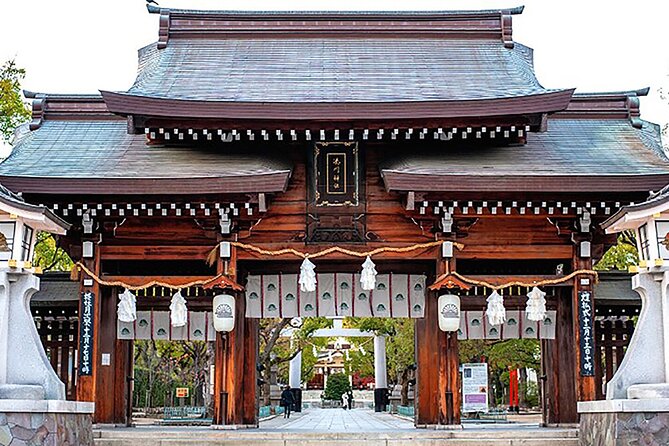
Kobe is a city of contrasts: shrine quiet next to busy shopping lanes, harbor air next to snack smells, old family shops next to newer streets. This private shore excursion is designed around that idea, using a local host to keep your route logical and your conversations easy.
You get a 100% private experience, meaning your guide can slow down, speed up, or swap in something you care about. That matters more than it sounds, because Kobe can be simple on a map and confusing at street level if you’re relying only on transit signs.
You can also read our reviews of more private tours in Kobe
Minatogawa Shrine: a calmer Kobe shrine start
Your morning begins at Minatogawa Shrine, one of Kobe’s two most popular shrines. The big detail here is the vibe: for this stop, it’s described as more muted than you might expect from other shrine photos. That makes the start feel less like a theme park and more like what locals actually do during important celebrations.
This is a short, focused stop, around 20 minutes, and it’s free to enter. The payoff is getting your bearings early with something Kobe-specific—before you shift into shopping streets and port scenery.
What to watch for: if you’re the type who likes noticing how communities use public spaces, this is a good first stop. You’ll see how shrines function as civic landmarks, not just tourist backdrops.
Meriken Park and the Kobe harbor mood shift
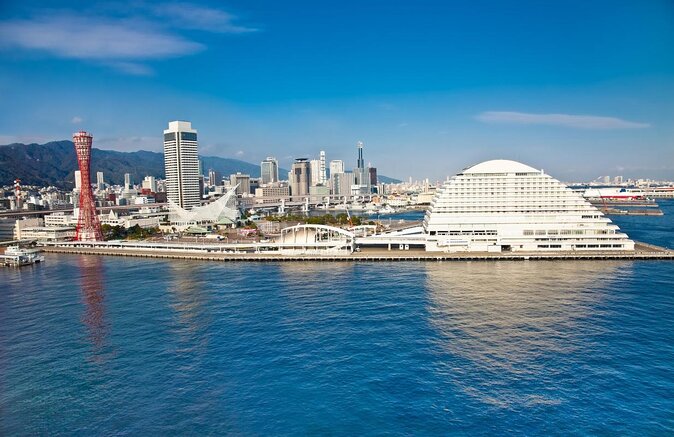
Next up is Meriken Park, part of the broader Harborland area. This is where Kobe opens up to sea views and wide pedestrian space—an easy change from shrine calm to city motion. It’s also a practical break: you can browse nearby spots without feeling rushed.
You’ll spend about an hour here, and admission is free. That hour is valuable because it gives you time to move at your pace, whether you’re shopping for small gifts, grabbing a snack, or just stretching your legs after earlier walking.
Potential drawback: if your group is more into indoor sights or museums, Meriken Park may feel like a “walk and look” segment. Still, for a port day, it’s one of the best places to soak up the setting.
Motomachi Shopping Street: Kobe’s local shopping rhythm
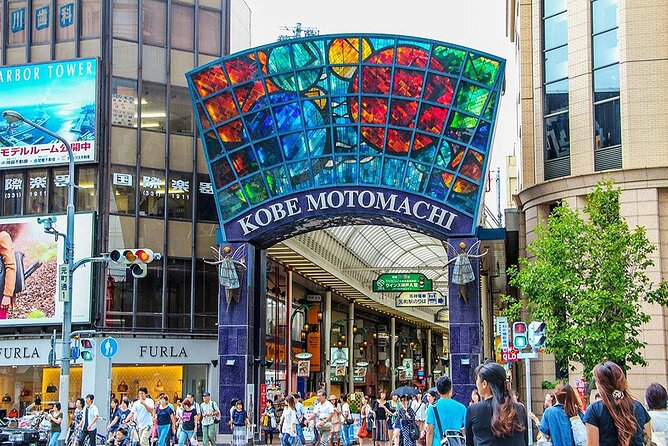
Then you head to Kobe Motomachi Shopping Street, a neighborhood where locals shop and where you see Kobe in layers. Around the Daimaru area, shops tilt more cosmopolitan. As you walk toward Kobe Station’s side, the street becomes a mix of newer storefronts and older multi-generation shops.
You’ll have about an hour here, and it’s free to enter. This is one of the best parts of the day if you like browsing without a strict agenda. It’s also where you’ll get the “small talk Kobe style” from your host—what sells, what’s worth trying, and which streets feel more local.
Tip from how guides like Michelle work: tell your host if you’re hunting for something specific (food, skincare, souvenirs). A private guide can steer you to the right lanes faster than any self-guided wander.
Chinatown, Nankinmachi: step into a different atmosphere
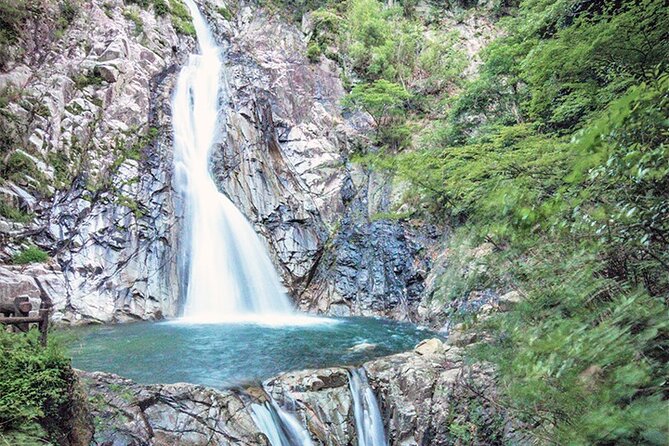
After Motomachi, you’ll reach Chinatown (Nankinmachi), tucked alongside the Motomachi area. The transformation is the point: the street feels like a different country the moment you step in. You’ll likely notice the change in signage, smells, and the overall street energy.
This stop is shorter—around 20 minutes—but it’s intentional. It gives you the flavor of Nankinmachi without eating your whole day.
Consideration: if your group loves long food stops, you might want to treat Chinatown as a “taste and roam” moment. You can always plan a longer return later.
Ikuta-jinja: the other top shrine, with a different path feeling
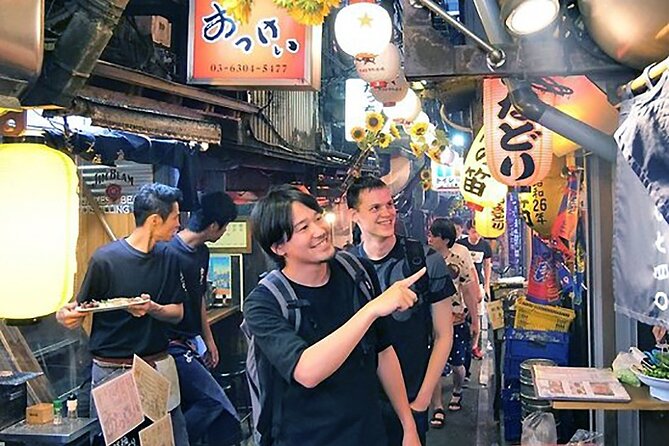
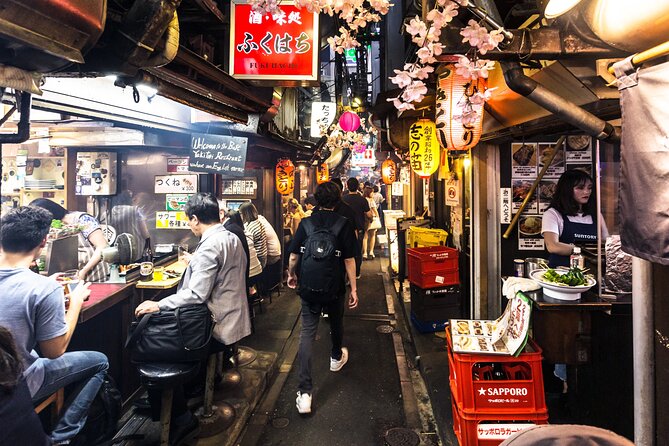
Next comes Ikuta-jinja, the second of Kobe’s two most popular shrines. The description here highlights the route experience: you go through an entertainment portion of Kobe to reach it, so the journey feels like part of the stop.
This is another 20-minute visit with free entry. If Minatogawa started the day calmer, Ikuta-jinja adds color and movement, so you get a more rounded sense of Kobe’s shrine culture.
Photo heads-up: because you approach through lively streets, you’ll want a quick photo plan. Decide in advance whether you want shrine shots first or street-walk shots first, so you don’t end up with a camera in one hand and nowhere to put the other.
Kobe food choices: sake and Kobe beef, guided your way

Now comes the part that many people remember: food, planned by a local host. There’s a built-in option for sake, with your guide able to choose between a local brewery museum or a popular sake bar—based on your interests. This segment is listed as about an hour, and admission is shown as free, but you should expect that the tasting itself is part of the food-and-drink budget (food isn’t included).
And then there’s the big Kobe move: Kobe beef. The tour can end at a recommended restaurant where you can take your time. If you’d rather make Kobe beef lunch part of the day, the guide can arrange that too.
This is where the private format really earns its keep. A fixed group tour often forces you into the closest meal option. A private guide can match the food plan to your schedule and walking pace.
What I like about this setup: it lets you travel like a person, not like a checklist. You don’t just see Kobe—you taste it in a way that fits your day.
Nunobiki Herb Gardens: views and seasonal bloom timing
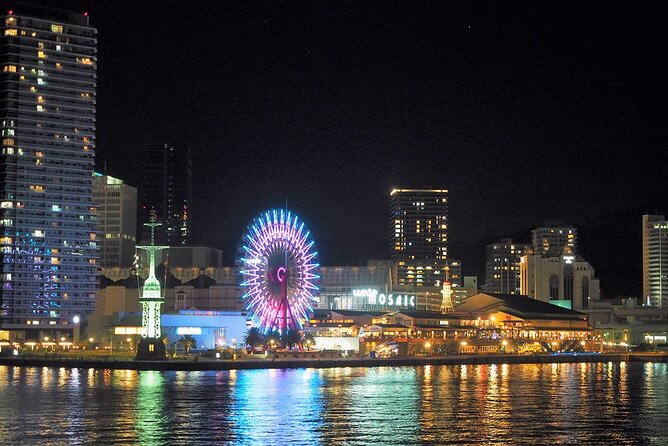
Later, you’ll reach Kobe Nunobiki Herb Gardens. This stop is about the experience of walking garden paths with city views, not just taking a quick picture. The gardens are tied to seasonal bloom, so what you see depends on when you go.
Plan on around two hours, with admission not included. The tour information also notes that an 8-hour experience is recommended if you want Nunobiki Falls included. So if falls are on your must-do list, this is one of those moments where you should consider stretching the day instead of trying to cram it into a 7-hour window.
Practical advice: if your legs are already tired from earlier walking, this is still manageable because it’s a garden setting where you can take breaks. Just bring comfortable shoes and a little patience for slow scenic walking.
Suma Beach: a seasonal port-day finisher
Finally, there’s Suma Beach, which is seasonal. The information points to summer and early fall months, when the beach area gets more lively with pop-up restaurants and music playing.
You’ll see it as a short stop—listed around one minute—so think of Suma Beach as a final palate cleanser. If it’s peak season, it’s a pleasant contrast to the earlier shrine-and-shopping segments.
If you’re traveling outside that season: Suma Beach may feel quieter than the promotional image. In that case, your best approach is to treat it as a coastal “look and go” moment rather than expecting a full beach day.
Price and logistics: is $135 good value for a private day?
At $135 per person, this isn’t a budget bus tour. But you’re not paying for a seat on a shared timeline—you’re paying for a native English local host, a private route, and the ability to shape the day around your interests.
Here’s how to judge value:
- If you want a full, structured Kobe overview without transit stress, the cost can feel reasonable.
- If your group includes people who dislike group pacing, a private guide often pays off fast.
- If you already planned to take taxis a lot and do paid attractions, the “extra” costs will feel smaller because the guide is doing the heavy lifting.
Now the reality check. Transportation within the city (including for the guide) is not included, though walking is part of the experience and train or taxi can be available at extra cost. Also, paid entries like Sōrakuen (¥300 per person) and ropeway (¥1,800 per person) are listed as not included, along with another ¥300.00 per person charge in the same category. So you should budget for optional add-ons if you want the full Nunobiki-style experience.
Also pay attention to where you end. Your tour starts at Kobe Station and ends near Sannomiya Station (Nunobikicho). That’s not a problem if your next step is already in the Sannomiya area. It becomes a problem if your ship pickup or next hotel requires you to cross town at the wrong time.
Who this Kobe shore excursion fits best
This is a strong choice if you want:
- A private, English-speaking guide to cut through confusion
- A day that blends shrines + harbor + neighborhoods
- Flexibility for sake or a Kobe beef lunch/dinner moment
- A guided “best of” that still feels personal
It may be less ideal if your group wants strictly museum-heavy sightseeing with minimal walking. The day is built around walking-friendly areas and outdoor-and-street sights.
Should you book this Kobe private shore tour?
If you’re the type who likes to see the main parts of a city without wasting time, I’d say yes. The biggest reason is the combination of private format + native English local host, plus the route that actually makes sense: shrines early, harbor views mid-day, neighborhoods and Chinatown next, then gardens and (seasonal) beach at the end.
Book it if you’re willing to plan a bit around optional paid attractions and you’re comfortable with the fact that the tour finishes near Sannomiya. If that ending location lines up with your next plan, this is the kind of Kobe day that feels “complete,” not rushed.
FAQ
FAQ
What length is the Kobe private shore excursion?
It’s listed as 7 hours (approx.) for the main option, with notes that an 8-hour experience is recommended if you want Nunobiki Falls included.
Is this tour private or shared?
It’s private. Only your group participates.
Do I get an English-speaking local guide?
Yes. The experience includes a native English speaking host.
Is pickup included?
Pickup is offered, and you’ll meet at Kobe Station at the listed address. Pickup details can be finalized after confirmation.
Are admission tickets included for the stops?
Most listed stops are free, but entry fees are not included for attractions where fees apply (for example, Sōrakuen and ropeway are listed as not included).
Do I need to pay for transportation during the tour?
Transportation costs within the city (including for the guide) are not included. Walking is part of the experience, and train or taxi can be available at additional cost.
Where does the tour start and end?
It starts at Kobe Station (3-chōme-1-1 Aioichō, Chuo Ward) and ends near Sannomiya Station (4丁目-1-1番-1 Nunobikichō, Chuo Ward). The return location can be modified as needed.
Can the itinerary be customized?
Yes. The tour is described as personalized, and you can share special interests or requests after booking to shape the Kobe experience.
What’s the cancellation policy and weather approach?
You can cancel for a full refund up to 24 hours before the experience starts. It also notes the experience requires good weather and that you’ll be offered a different date or a full refund if it’s canceled due to poor weather.