REVIEW · ROSTOCK
Private Warnemuende Shore Excursion: Third Reich Berlin
Book on Viator →Operated by Original Berlin Walks · Bookable on Viator
Berlin’s darkest landmarks, in one long day. This private shore excursion runs you through key Third Reich sites with informed, English commentary that puts the city’s layers in context.
I especially love the focus on the whole story, not just the big-name buildings. You’ll stop at places tied to Nazi government power, then pivot to memorials that cover victims many people overlook, like Sinti and Roma and persecuted LGBTQ people.
My second big win is the private pace. It’s not a cattle-call format, and that helps when you’re walking from one heavy site to the next. One consideration: it’s an 11-hour day with multiple short stops, so if you prefer long, slow museum time, you’ll need to plan to absorb a bit in each location and save deeper visits for another trip.
In This Review
- Key highlights worth knowing
- Third Reich Berlin: what you’re really paying for
- From cruise terminal to Berlin: timing and logistics that matter
- Warnemünde first: a quick start that sets the tone
- Soviet Memorial in Tiergarten: Berlin’s split narratives in one stop
- Reichstag area and the Nazi power story: Reichstag exterior + government district walks
- Hitler’s bunker site and the “final 10 days”
- Memorials for victim groups: Sinti and Roma, LGBTQ victims, and the T4 program
- The Holocaust Memorial and Topography of Terror: two ways of remembering
- Book Burning memorial at Bebelplatz: censorship as a first step
- Otto Weidt’s story at Museum Blindenwerkstatt
- Resistance and aftermath: Stauffenberg attempt and Brandenburg Gate context
- Siegessaule and the Soviet memorial again: why Berlin’s monuments can conflict
- Pace and what to expect walking for 11 hours
- Guides: the difference between facts and understanding
- Price and value for a private WWII route
- Should you book this Third Reich Berlin shore excursion?
- FAQ
- How long is the Third Reich Berlin tour?
- Is this tour private?
- What language is the tour offered in?
- Where does pickup happen?
- Are admission tickets included for the stops?
- Is the Reichstag visit an interior tour?
- What are some of the main sites you’ll see?
- Can I cancel for a full refund?
Key highlights worth knowing
- Private and English-guided: you get commentary designed to connect the sites into one clear thread
- Warnemünde pickup from your cruise terminal: your driver meets you right after the official border crossing
- Reichstag area without an interior tour: you’ll learn the rise and wartime collapse, but not go inside
- Memorial variety for different victim groups: Sinti and Roma, LGBTQ victims, and T4/“euthanasia” program memorials
- Major “before-and-after” Berlin stops: Holocaust Memorial, Topography of Terror, resistance history, and more
- Flexible exhibition time at Topography of Terror: you’ll stay as long as your group wants within the visit window
Third Reich Berlin: what you’re really paying for
This tour isn’t just a sightseeing loop. You’re paying for a guided route through the physical geography of how Nazi power worked—and how Berlin remembers (and argues with) that past today. The sites are famous, but the value is in the way your guide connects them: who held power, how propaganda shaped public life, and how victim groups were targeted through law, violence, and forced programs.
The other part of the price that matters is human scale. Reviews highlight guides with standout expertise—Ania, Cesar, Ysanne, and Ken have all been noted for strong command of Berlin’s history and story-telling. In other words, you’re not just looking at plaques; you’re getting meaning.
You can also read our reviews of more private tours in Rostock


From cruise terminal to Berlin: timing and logistics that matter
You start in Warnemünde/Rostock area with pickup at the cruise terminal just after the official border crossing. That’s a big deal on port days. Berlin is far enough that you want the transport piece handled cleanly, and you don’t want to be stuck hunting for a meeting point while your ship schedule ticks away.
The tour runs about 11 hours. The stop times are typically around 10–15 minutes, with one longer-style component at Topography of Terror. That structure is intentional: it helps you fit a lot of Berlin’s most difficult WWII sites into a single day without turning it into a full-week crash course.
If you like your tours paced but still want to ask questions, this works well. The private format also helps if you’re the type who reads slowly or needs a moment to process what you’re seeing.
Warnemünde first: a quick start that sets the tone
Your first stop is Warnemünde, where pickup happens and the day gets underway. Even though this part feels brief on paper, it helps with rhythm. Instead of scrambling, you get started on time and transition into Berlin with momentum.
What I like about starting this way: it lowers stress early. When you’re heading into sites tied to World War II and genocide, calm matters. You’ll be moving from “travel mode” into “historical mode,” and that first transfer is how you get there.
Soviet Memorial in Tiergarten: Berlin’s split narratives in one stop
In the Tiergarten, you’ll visit the Soviet War Memorial. The guide explains something that’s easy to miss if you only glance at the statue and move on: the memorial was built so it would end up in West Berlin.
That detail matters because it shows how Berlin wasn’t just divided by borders—it was divided by competing interpretations of war and liberation. This is the first hint that your day will cover more than one axis of memory: Nazi crimes on one side, and the postwar story that also shaped how the city reassembled itself.
You’ll have a short time here, but it’s a strong setup for the next stops, because it frames Berlin as a place where meaning changes with who controls the story.
Reichstag area and the Nazi power story: Reichstag exterior + government district walks
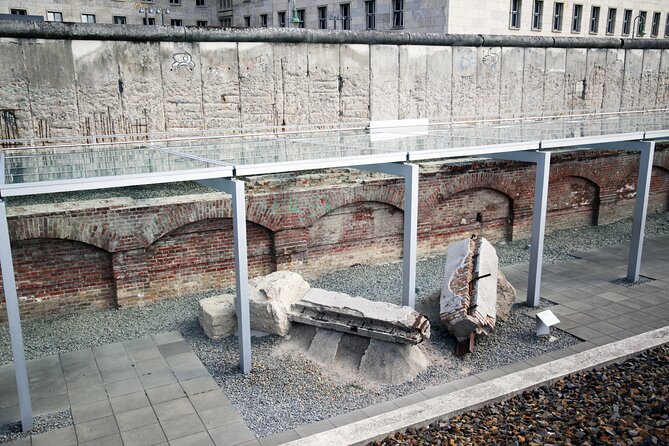
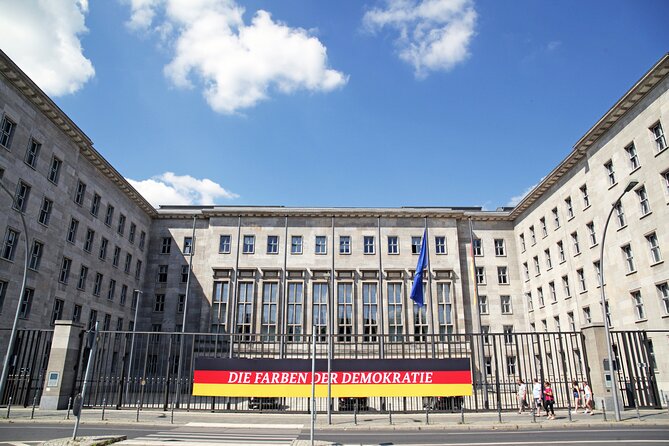
You’ll then head to the Reichstag Building area. The focus is on the rise of the Nazis and the final phase of WWII. The key practical detail: the visit is educational, but a tour inside the Reichstag isn’t included.
What you get instead is context that helps you read what you see. The Reichstag isn’t just architecture; it’s tied to how democratic institutions collapsed and how power was then exercised with ruthless efficiency. Even with a short stop, a good guide can make the place feel less like a photo and more like a turning point.
Later, you’ll walk through Wilhelmstrasse, the former Nazi government district. This is one of those “Berlin on foot” moments where streets become history. You’ll see the former locations tied to major Nazi organizations, including:
- Goebbels’ Propaganda Ministry
- Göring’s Air Ministry
- the New Reich Chancellery
- the exact position of Hitler’s bunker
This section is powerful because it shifts your thinking from a few landmark buildings to a system. It’s easier to understand how propaganda, bureaucracy, and terror all fed the same machine when you’re on the ground where it once operated.
A few more Rostock tours and experiences worth a look

Hitler’s bunker site and the “final 10 days”
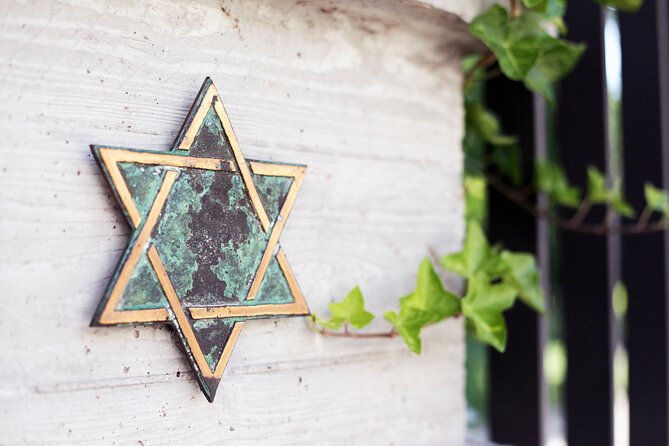
The day also includes a stop at the Fuhrerbunker, the former site of Hitler’s bunker. You’ll hear about Adolf Hitler’s life and—specifically—the final 10 days.
This is one of those stops where your guide’s wording matters. If the explanation is clear (and strong guides have been noted), you’ll leave with a better sense of how collapse looked from inside the leadership layer, not just from the battlefield.
A quick heads-up: this part is emotionally heavy. Plan to pause, breathe, and don’t feel you have to sprint past it. You’re not on a scavenger hunt—you’re learning how the end of the Nazi regime played out spatially and psychologically.
Memorials for victim groups: Sinti and Roma, LGBTQ victims, and the T4 program
A major strength of this tour is that it doesn’t reduce Nazi history to one victim group. You’ll visit memorials that highlight distinct targeted populations and the policies behind them.
First is the Memorial to the Sinti and Roma Victims of National Socialism. The guide explains both the memorial and the history of Nazi crimes against Sinti and Roma. This matters because it corrects the common gap where people know about the Holocaust, but don’t know how the Nazi racial state pursued multiple groups with parallel violence.
Next is the Monument to Homosexuals Persecuted Under the National Socialist Regime. The explanation covers the history of LGBTQ victims and the knock-on effect since 1945. That link to postwar impact is crucial. It helps you see that genocide wasn’t only about killing—it was also about laws, social control, and long-lasting consequences.
Then you’ll visit T4 – Memorial for the Victims of the Nazi Euthanasia Program. The guide explains that this is where the Nazi euthanasia program was organized. If you’re new to this part of Nazi history, this stop can be a real wake-up call. It shows how the regime used “programs” and institutions to move from ideology to killing at scale.
The benefit of doing these memorial stops inside one day is that the story stays connected. You’ll be able to compare how different memorials communicate different kinds of loss and different kinds of targeting.
The Holocaust Memorial and Topography of Terror: two ways of remembering
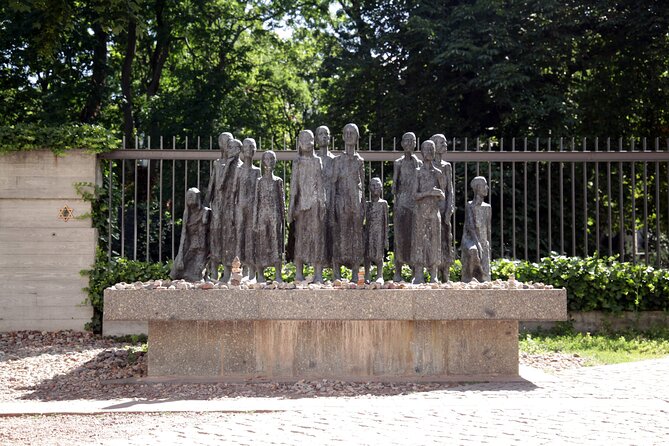
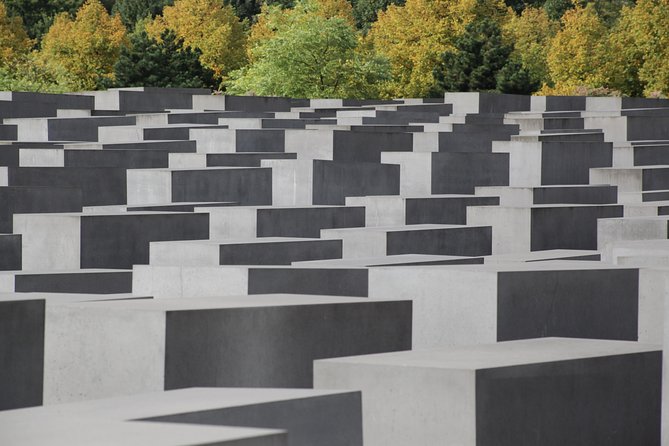
The tour includes the Holocaust Memorial – Memorial to the Murdered Jews of Europe. You’ll walk through it as part of the visit and learn the concept behind the memorial. The guided framing helps you understand why this place is designed the way it is—and why that design affects how you feel.
After that, you go to Topography of Terror. You’ll visit the exhibition, and the amount of time depends on how long your group wants to stay within the allocated window. That flexibility is a smart touch. Some people will want to linger longer with specific sections. Others will want to move faster to keep the day on track.
A practical note: these are not “quick glance” stops. If you’re prone to browsing silently, you may miss key points your guide can explain. Try to be present here—watch how your guide connects what you’re seeing to what the Nazi system did, and you’ll get a lot more from the time.
Book Burning memorial at Bebelplatz: censorship as a first step
At Bebelplatz, you’ll visit the Book Burning Memorial. The guide explains the lead-up to the 1933 book burning in Berlin and the effect it has had through history.
This stop can be surprisingly gripping because it shows how terror often starts with control of ideas. If you only think of the Nazi era in terms of war and police raids, this reminds you that censorship and scapegoating were part of the same pipeline.
It also gives you a useful contrast to the memorials you saw earlier. You move from violence against bodies to violence against thought. Same regime-building logic; different tools.
Otto Weidt’s story at Museum Blindenwerkstatt
You’ll also visit the Museum Blindenwerkstatt Otto Weidt. Here, the guide tells the story of Otto Weidt—an Oscar Schindler-like figure—whose actions helped prolong and save Jewish lives during WWII.
This is a different kind of site in the best way: it adds human-scale resistance and courage. After so many memorials and sites of organized cruelty, you get to learn how individuals used their position and opportunities to protect others.
Even with a short visit time, the story tends to stick because it’s not only about what happened to victims. It’s also about how some people tried to interrupt the machine.
Resistance and aftermath: Stauffenberg attempt and Brandenburg Gate context
The German Resistance Memorial Center is next, where you hear the story of Klaus von Stauffenberg’s attempt on Hitler’s life. This helps balance the narrative. You learn how plans formed, how resistance operated inside the system, and what it meant to act under extreme risk.
Then you’ll reach Brandenburg Gate. Your guide explains its history as the former royal entrance to Berlin and notes that in 1933 Adolf Hitler’s supporters marched through it to celebrate his becoming chancellor.
That’s another “meaning shift” moment. One of Europe’s most iconic structures was used as stagecraft for political power. You’ll understand the gate differently once you know what it was made to symbolize at that moment.
Finally, you return to the theme of Berlin’s power geography with the Wilhelmstrasse walk and the stop at the bunker position—tying the day together into a coherent path from propaganda, to government, to terror, to collapse.
Siegessaule and the Soviet memorial again: why Berlin’s monuments can conflict
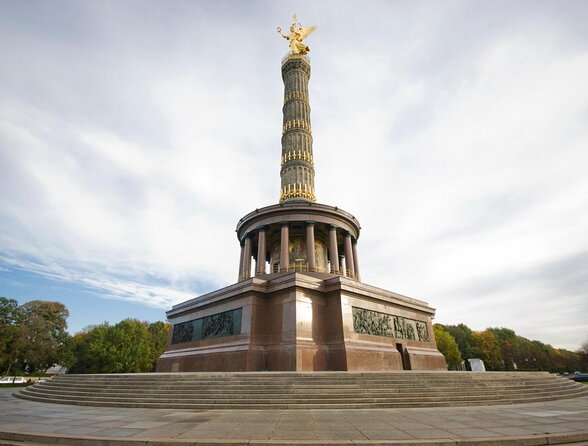
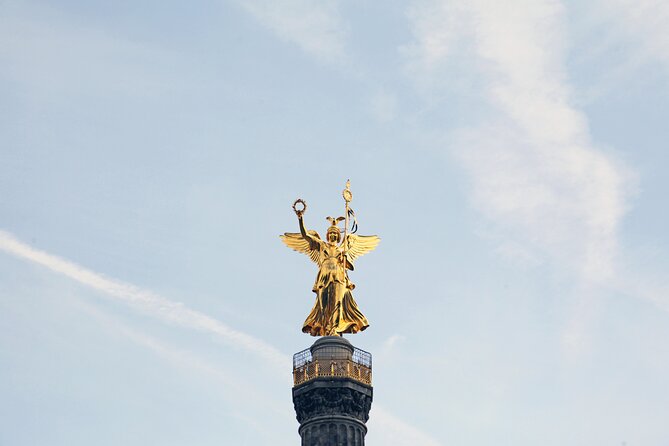
You’ll also visit the Victory Column (Siegessaule). The guide explains the history of the site, which helps you see why Berlin’s monumental style can carry very different meanings depending on the era.
One reason this fits the theme of the tour: Berlin’s monuments aren’t neutral. They’re documents of what leaders wanted to celebrate. When you place Siegessaule alongside the Soviet memorial, the Holocaust Memorial, and Nazi-era sites, you start seeing how memory gets built—and rebuilt—over time.
It’s sobering, but it’s also intellectually useful. You stop treating Berlin as a single story city and start seeing it as a place where history is actively contested.
Pace and what to expect walking for 11 hours
This day is long, but it isn’t constant marching. Many stops are around 10 minutes, with a few around 15. Still, you should expect real walking, standing, and turning corners to move between areas.
What I recommend:
- Wear comfortable shoes. You’ll be on your feet for stretches.
- Carry a water bottle and small snack, if allowed by your cruise schedule and comfort level.
- Bring a notebook or phone notes. The guide’s connections between sites are what make the day work.
The tone of the day also matters. This is a WWII tour with multiple memorial stops. If you know you handle heavy material by taking breaks, you’ll do well. If you prefer to emotionally distance yourself, you may find some stops draining. Either way, it’s better to go in prepared.
Guides: the difference between facts and understanding
The biggest takeaway from strong experiences with this kind of route is the quality of the guide. Short stops can either feel like a rush through plaques—or they can feel like a connected narrative.
Some guides have been praised for turning Berlin into a readable story, including Ania (called an encyclopedia of Berlin), and guides like Cesar, Ysanne, and Ken for being engaging, humorous in the right moments, and clearly passionate about the material.
You shouldn’t expect the same style from every guide, but you can expect the route to rely on interpretation. Your guide’s ability to link the sites—Reichstag power, Wilhelmstrasse administration, bunker history, and victim memorials—is what turns a list of stops into an education you’ll remember.
Price and value for a private WWII route
At $895.09 per person, this isn’t a budget tour. For a solo traveler, it’s the kind of cost that makes you pause and ask if you’d rather do Berlin on your own.
Here’s how I judge the value:
- You’re buying a private, guided route designed around the most important WWII sites connected to the Third Reich.
- You get English commentary that helps you understand what you’re seeing, not just what it’s called.
- You get cruise-day pickup and transportation that reduces stress.
- Most stops show admission ticket free on the day’s plan, and even when time is short, the guidance helps you use that time well.
If you’re traveling with someone who wants the same kind of historical focus, the private nature often feels more “worth it,” because you’re splitting the decision-making and benefit from one expert explanation across the whole day.
If you prefer total independence and you already have strong Berlin WWII planning skills, you might choose self-guided. But if you want the context stitched together in one day, this price starts to make sense fast.
Should you book this Third Reich Berlin shore excursion?
Book it if you:
- want a private, English-guided day focused specifically on WWII and the Third Reich era
- value memorial and victim-focused stops, not just landmark architecture
- prefer a planned route from your cruise day instead of building your own schedule
Skip it (or consider a different format) if you:
- want a longer, museum-heavy experience at each site
- dislike emotionally heavy, memorial-based days even when they’re handled respectfully
- would rather spend your time in Berlin with more flexibility than a set route allows
Overall, if your goal is to understand how Nazi power worked on the ground, and how Berlin remembers its victims afterward, this is one of the more direct ways to do it from Rostock/Warnemünde.
FAQ
How long is the Third Reich Berlin tour?
It runs about 11 hours (approx.).
Is this tour private?
Yes. It’s a private tour/activity, with only your group participating.
What language is the tour offered in?
The tour is offered in English.
Where does pickup happen?
Your driver meets you at the cruise terminal just after the official border crossing.
Are admission tickets included for the stops?
Admission ticket is listed as free for the stops included in the day.
Is the Reichstag visit an interior tour?
No. The stop is the Reichstag Building, and the tour inside is not included.
What are some of the main sites you’ll see?
You’ll visit places including the Reichstag area, the Holocaust Memorial, Topography of Terror, Brandenburg Gate, Wilhelmstrasse, and multiple memorials tied to Nazi persecution.
Can I cancel for a full refund?
Yes. You can cancel for a full refund up to 24 hours in advance of the experience’s start time.