REVIEW · NORTH ISLAND
Puketi Rainforest Guided Walks .This is not a Shore Excursion product .
Book on Viator →Operated by Adventure Puketi · Bookable on Viator
Towering kauri plus a guide equals a very focused rainforest trip. In Puketi, you walk the protected subtropical forest around Ōkaihau with a max group size of six and learn what you’re actually looking at, from rare plants to bird calls, with professional guiding throughout.
I like that the tour can match your energy level: half-day, full-day, or a night walk with a provided headlamp. One thing to consider is that the full day includes tougher hiking and the ticket isn’t the cheapest option for what is still, at heart, a guided forest walk.
In This Review
- Key things worth knowing before you go
- Puketi Rainforest Guided Walk: what makes this hike feel special
- The kauri boardwalk and the “real rainforest” feeling
- What you’ll learn along the trail: birds, plants, and conservation
- Waterfalls and the river: where the scenery really changes
- Half-day versus full-day: choosing the right effort
- Half-day walks (about 3 hours)
- Full-day walks (about 6 hours)
- Night walk with headlamp: listening for kiwi and watching bats
- Food and comfort: tea, lunch, and what to pack
- Small-group travel from Ōkaihau: logistics that keep the day sane
- Price and value: is it worth $83.78?
- Who should book this rainforest walk?
- Who should think twice?
- Quick decision guide: should you book?
- FAQ
- FAQ
- Where does the Puketi Rainforest guided walk start?
- Is hotel pickup included?
- How long is the guided walk?
- What fitness level do I need?
- Are meals included?
- Do I get any gear for the night walk?
Key things worth knowing before you go
- Small-group pace (up to 6 people) means questions land and the guide can slow down for real spotting
- Kauri everywhere: boardwalk walking plus views of two of New Zealand’s largest trees
- Waterfalls and river time show up on the trek, not just in photos
- Tea and bottled water included, and lunch if you choose the longer day
- Pick the night walk if you want post-dusk wildlife, including bats and a shot at hearing kiwi
- Moderate-to-higher fitness is expected, especially on the full-day route
Puketi Rainforest Guided Walk: what makes this hike feel special
If you’ve only seen forests from a road or a short boardwalk, Puketi is a better way in. This is a guided hike in the Northland’s subtropical rainforest, and it’s built around what you notice while you move: tree size changes as you walk deeper, the air shifts near waterfalls, and bird life shows itself in small bursts rather than on a schedule.
You’ll walk among towering kauri trees on a mix of paths. The experience starts from Ōkaihau (Bay of Islands area) and takes you through a protected forest preserve where the guide keeps the trip grounded in details that make the setting easier to read. If you like nature walks that feel more like a conversation than a lecture, the small group size helps a lot.
The guide experience matters here. In one standout account, the guide named Ian was described as an enthusiastic environmentalist, and you can feel the difference that makes in how the forest is explained. Instead of generic sightseeing talk, you get connections: how plants grow, why certain species are rare, and how conservation work shapes what you might see next.
The kauri boardwalk and the “real rainforest” feeling
A big draw is the kauri-heavy setting. You’re not just passing a few trees; you’re walking through a forest where kauri are part of the structure of everything around you. The tour includes boardwalk sections, which can be a relief if the ground is wet or muddy, and it also includes steeper bits for fit hikers.
What you’ll notice as you go:
- The forest canopy feels higher under the kauri, and light changes as you move
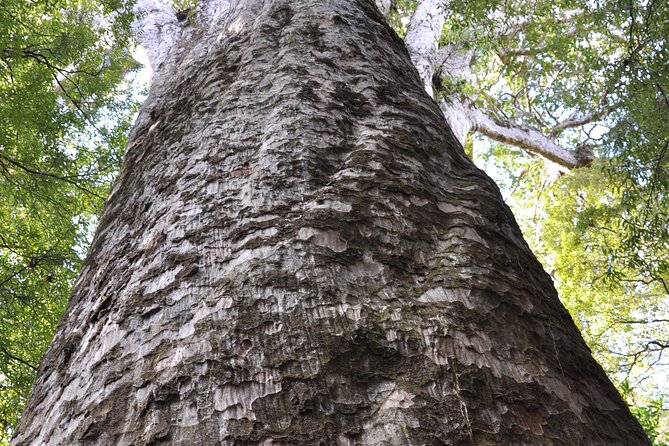
- The guide points out notable trees, including spots to admire two of New Zealand’s largest kauri
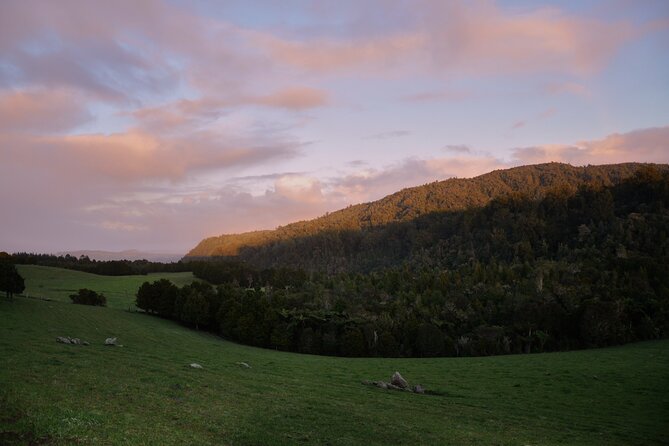
- Valley views show the scale of older forest growth, and the tour connects that to deep time (the ancestors of the trees in the area date back to the Jurassic period)
That last detail is surprisingly useful. Once you know you’re walking in a place shaped over a very long time, it’s easier to stop and look for the evidence: different growth stages, varying tree form, and the way the understory fills in.
What you’ll learn along the trail: birds, plants, and conservation
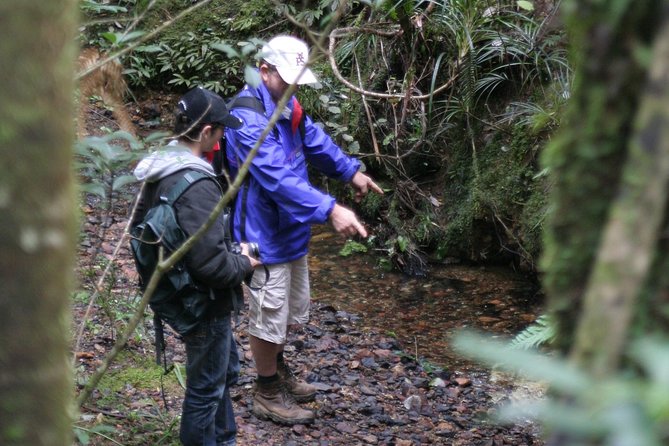
This tour is not a “stroll and hope” outing. The guide is there to point things out. You’ll hear about rare and endemic species in the Puketi area, including mention of the reintroduced kokako and a wide range of native plants (the forest preserve includes 370 recorded plant species).
You’ll also learn how the forest has evolved. The walk covers the idea of forest age and development, from younger growth to mature, established trees. That turns the hike into a living lesson: you start seeing patterns rather than just trees.
Conservation is part of the story, too. You’ll get “see it working” moments—learning what conservation looks like in practice and why it matters for species survival in New Zealand’s ecosystems. If you like eco-focused tours, this is one of the better ways to get that information without sitting in a classroom.
And yes, there are human stories layered into the hike. You’ll hear Māori legends alongside European colonial history—so the guide doesn’t treat the forest like a museum object. It’s a place with meaning, and the stories help you understand why protecting it matters.
Waterfalls and the river: where the scenery really changes
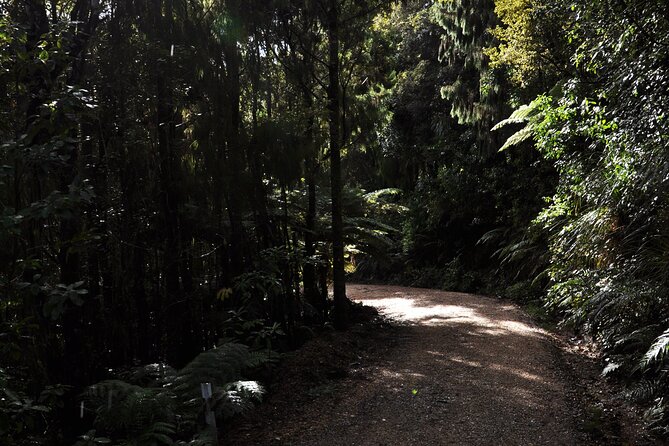
On the walk, you trek beside the Puketi River and you pass cascading waterfalls when they’re running well. This is one of those parts where the guide’s timing helps. As you near wetter, louder sections, you may notice more bird activity and more plant variety, because conditions shift.
Waterfalls also give you a natural break from the “step, step, step” rhythm. Expect the terrain to include undulating sections, including some steep spots that make this hike feel more like real hiking than a flat nature loop.
If rain shows up, it doesn’t ruin the experience. One account notes they did the walk in pouring rain and it actually improved the rainforest feel, with ponchos provided. Rain can mean cooler air, darker greens, and a more dramatic waterfall scene.
Half-day versus full-day: choosing the right effort
The tour offers different lengths, and this affects how much time you have to look, rest, and soak in the guide’s stories.
Half-day walks (about 3 hours)
A half-day option works well if you want a strong taste of Puketi without turning your day into a workout. The tour data calls it moderately strenuous and notes a medium fitness level is needed on this version.
You can expect:
- Guided walking on well-marked paths
- Kauri-focused stops and viewpoints
- Morning or afternoon tea included, depending on your schedule
This is a great fit if you’re traveling with limited time in the Bay of Islands area or if you’d rather save your legs for another activity later.
Full-day walks (about 6 hours)
The full-day route is for hikers who want more trail time. It asks for a higher fitness level and includes more time on the footpath.
Key extras on the longer option:
- Lunch included
- More chances to see different parts of the forest and keep moving through the tougher stretches
- A longer window for bird and plant spotting with the guide leading the way
The trade-off is simple: you’ll work harder. The reward is that you spend more time in the forest “world,” not just a preview.
Night walk with headlamp: listening for kiwi and watching bats
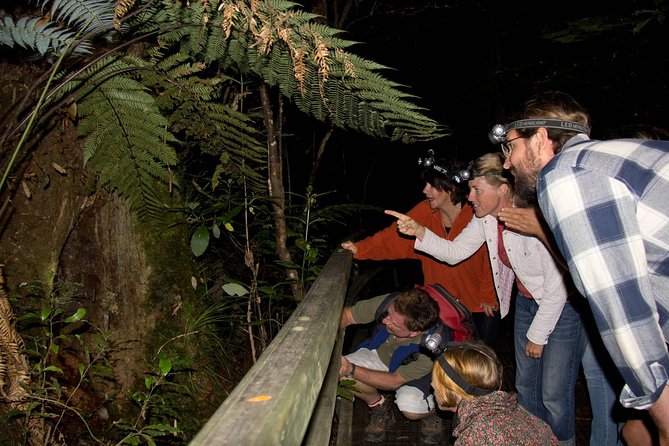
If you want something different from the daytime forest, the night walk is the move. You’re provided a headlamp, and the emphasis shifts from seeing to listening and noticing movement.
Here’s what the night experience includes:
- You listen for post-dusk bird calls
- You keep an eye out for kiwi (the tour specifically mentions New Zealand’s emblematic kiwi, with the kiwi described as rare and nocturnal)
- You watch bats flying overhead and feeding on insects
This is also one of the reasons to consider timing carefully. One account felt that the half-day morning walk had fewer opportunities than the night option for seeing what the forest is like after dark. In other words: if nighttime wildlife is what you’re chasing, choose the night walk instead of treating it as optional.
Night departures vary, so you’ll want to confirm the time when you book.
Food and comfort: tea, lunch, and what to pack
Food is handled in a practical way. Bottled water is included, and the walk includes tea depending on the option you pick:
- Half-day: morning and/or afternoon tea
- Full-day: tea plus lunch
Drinks beyond what’s specified aren’t included, so plan on bringing what you need if you have strong preferences.
Packing advice is straightforward and worth following:
- Wear good walking shoes
- Bring sunscreen and a hat
- Bring a day pack
If you’re the type who plans for rain, consider that the rainforest can be wet any time. Ponchos are reportedly provided, which reduces the need to overpack extra rain gear.
Small-group travel from Ōkaihau: logistics that keep the day sane
This is not a shore excursion style add-on. You start at 476 Puketi Road, Ōkaihau 0475, and the activity ends back there. Hotel pickup is not included, so you’ll want to have transport sorted on your own.
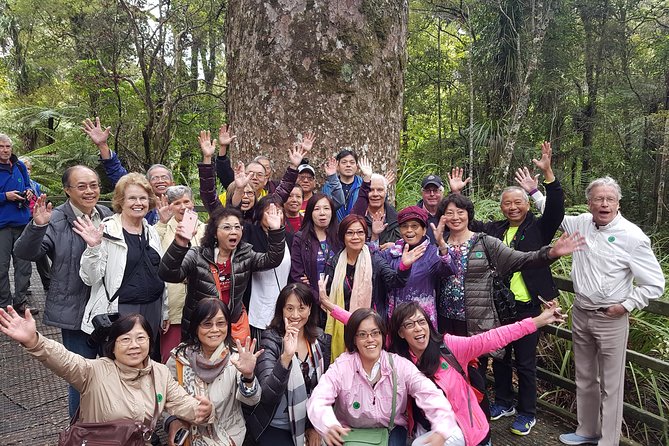
Group size is capped at six people, which tends to make tours feel more personal and less like cattle herding. It also makes the trail feel more flexible; the guide can stop for a bird call or slow down when someone spots something worth discussing.
The meeting point approach is simple, but it does mean you’re responsible for showing up ready to walk. If you like low-stress mornings, that means arriving early enough to use the restroom and settle before you start.
Price and value: is it worth $83.78?
At $83.78 per person, this isn’t a bargain priced hike. That’s fair to ask. A few key things influence value here:
What you’re paying for:
- A professional guide who points out species and explains conservation
- A small group size (max six), not a larger tour model
- Included bottled water and tea (and lunch if you choose the full day)
- Different experiences depending on the option, especially the night walk with headlamp and nocturnal wildlife focus
Why some people might feel it’s pricey:
- It’s still a guided forest walk, not a theme-park type attraction
My take on value: if you care about learning what you’re seeing, if you like bird and plant spotting, and if the small-group format matters to you, the guide-led format justifies the price. If you’re purely chasing scenery and would rather do a self-guided walk, you might compare it to other low-cost hikes in New Zealand and feel more skeptical.
Who should book this rainforest walk?
This fits best if you:
- Want a guided rainforest experience with focused interpretation
- Like kauri forests, birds, and plant spotting
- Prefer a small group and don’t want to fight for attention on a big tour
- Are happy with moderate hiking, especially if you choose the full day
It’s also a good option if you’re in the Bay of Islands area and want a break from beaches and boat rides. The rainforest gives you a totally different kind of New Zealand.
Who should think twice?
Consider whether this matches your limits if:
- You want a super easy stroll. The route is described as moderately strenuous, and the full day needs higher fitness.
- You’re price-sensitive and expect a “lot more than a forest walk.” The experience is about the guide, the setting, and the time in the trail—not an elaborate add-on attraction.
- You really want after-dark wildlife but are tempted by a daytime option. If kiwi, bats, and night bird calls are your goal, the night walk is the better match.
Quick decision guide: should you book?
Book it if you’re the kind of traveler who remembers details: tree names, bird calls, why conservation matters, and how the forest changes as you walk. The small-group format and guide-led focus are the core value.
Skip or adjust expectations if you’re hoping for a mostly flat walk with minimal effort, or if your main goal is scenery without interpretation. Also, if your interest is specifically nocturnal wildlife, choose the night walk rather than trying to get the same effect from a daytime session.
FAQ
FAQ
Where does the Puketi Rainforest guided walk start?
The meeting point is at 476 Puketi Road, Ōkaihau 0475, New Zealand. The walk ends back at the same meeting point.
Is hotel pickup included?
No. Hotel pickup and drop-off are not included.
How long is the guided walk?
It’s listed as about 3 to 4 hours approximately, with tour options that include a shorter walk, a longer full-day option, and a nighttime walk. Exact durations depend on the option you select.
What fitness level do I need?
The half-day walk requires a moderate fitness level. The full-day walk requires a higher fitness level.
Are meals included?
Bottled water is included. Morning and/or afternoon tea is included on the day tour options, and lunch is included if you select the full-day option.
Do I get any gear for the night walk?
Yes. For the nighttime hike, a headlamp is provided. Depart times vary, so you’ll confirm the time when booking.