REVIEW · SKAGWAY
Skagway Shore Excursion: Yukon Dog Sledding and Sightseeing Tour
Book on Viator →Operated by Tru North Enterprises, LLC DBA Southeast Tours · Bookable on Viator
Sled dogs and big views in one tight day. This Skagway shore excursion pairs a scenic Yukon drive with a real training-camp visit at Caribou Crossing, plus time at a wildlife museum and a petting farm. I really like that lunch is included (with a vegetarian choice), and that your driver-guide does the storytelling while the bus makes frequent photo stops. The one thing to plan around: the dog portion can be weather-dependent and may be shorter or look different in warmer months than what people imagine.
You’ll start with classic stops tied to the Skagway-to-Canada story, including Capt Moore’s Suspension Bridge and the White Pass border area. Then you’ll swing into the Yukon side for lakes, signs, and that dog-mushing focus—aimed at giving you the experience without turning it into a marathon. If you’re hoping for a long, snow-filled ride, keep your expectations flexible and bring your layers.
In This Review
- The best parts to watch for before you book
- A morning start that still feels efficient
- Where you meet: Broadway in Skagway
- The drive: fjord views, high passes, and quick photo stops
- The main event: the Caribou Crossing Iditarod Training Camp stop
- Dog mushing: awesome when it’s on, but keep your expectations flexible
- Lunch in the middle: included, with a vegetarian option
- The human part: your driver-guide does a lot of the heavy lifting
- Group size and bus comfort: close enough to feel personal
- Passports and border reality: don’t guess, bring the right documents
- What’s the tradeoff versus other Skagway shore tours?
- Who should book this tour?
- Should you book this Yukon dog sledding tour from Skagway?
- FAQ
- Do I need a passport for this Skagway to Yukon tour?
- How long is the tour, and when does it end?
- Where do I meet the tour?
- What’s included besides the dog activity?
- Is lunch included, and can I choose vegetarian?
- What are the main sightseeing stops during the drive?
- Will I definitely get to ride a sled with the dogs?
- How big is the group?
- What should I wear for this tour?
- Do I need to bring anything besides a passport?
The best parts to watch for before you book
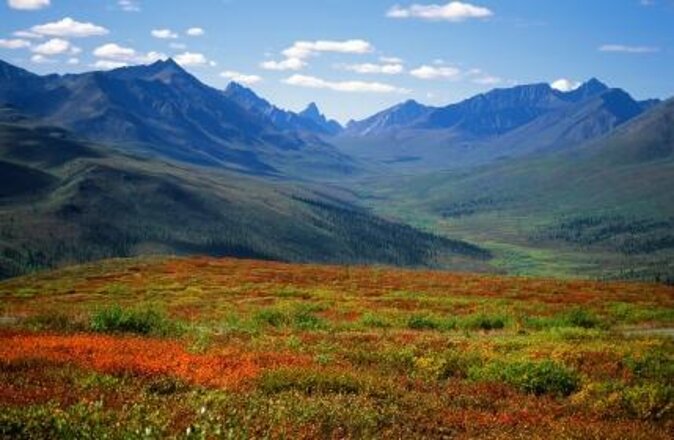
- Border-day scenery: Suspension Bridge, White Pass viewpoints, and photo stops like the Yukon and Welcome to Alaska signs.
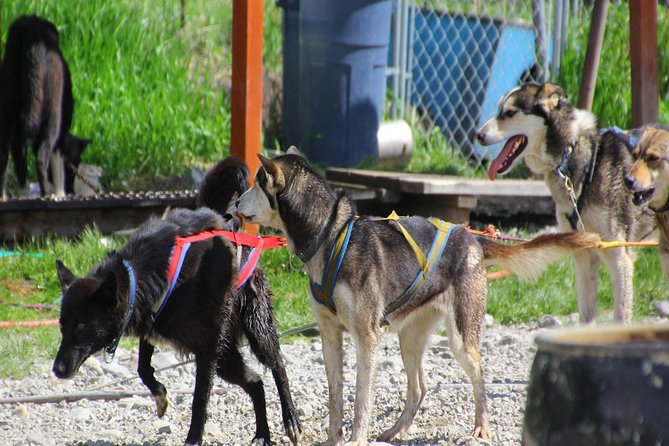
- Dog-mushing training camp energy: You get up close with sled dogs and puppies (with time limits depending on the day).
- Lunch that actually helps: Chicken or vegetarian lunch plus coffee/tea/water included.
- More than the dogs: Wildlife museum and petting farm are built into the main stop.
- Small-bus feel: Buses can fit up to 32, and the tour maximum is listed at 30 travelers, so it’s not a huge cattle-car.
- Real-world timing matters: Some key activities are brief, so you’ll want to treat this as a highlights tour.
A morning start that still feels efficient
This is built as a 6-hour shore-day outing, designed to bring you back to Skagway the same afternoon. The tour departs from the Yukon Heath’s Popcorn Emporium area on Broadway and returns back to the same meeting point. The exact start time can vary by operator instructions—your confirmation should be your source of truth—so plan your ship schedule carefully and aim to be at the meeting point early.
One practical tip: arrive at least 30 minutes early. Skagway is small, but border-visit day runs on a schedule, and you don’t want to be the person scrambling for parking or locating the right building. If your ship is tight on timing, confirm that your ship leaves at least 1 hour after the tour returns.
A few more Skagway tours and experiences worth a look
Where you meet: Broadway in Skagway
You’ll meet at the Yukon Heath’s Popcorn Emporium on Broadway (the info provided includes 480 Broadway and also lists 216 Broadway as the meeting address). Either way, it’s in the walkable downtown core, near other town businesses. If you’re doing the shore excursion without a hotel pickup, you’ll be using your own feet or a quick local transport hop to reach Broadway.
The good news: it’s near public transportation, so you’re not locked into a complicated transfer plan. The not-so-good news: you still need to be on time, because the bus won’t pause for late arrivals.
The drive: fjord views, high passes, and quick photo stops
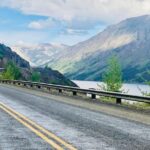
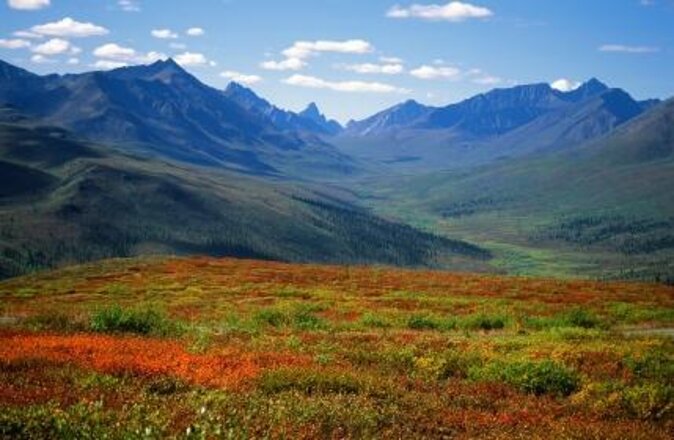
This isn’t only about dogs. It’s also a sightseeing loop that uses the bus well. You’ll get those big, postcard-style Alaskan angles from multiple stops—plus enough time out of the vehicle to grab photos.
Key stops include:
- Capt Moore’s Suspension Bridge: The payoff here is the fjord view below. Expect wind chill and bring a layer even if the day starts mild.
- Tutshi High (pronounced TOO SHY): You’ll be at a higher viewpoint, with the kind of scenery that makes people stop talking mid-sentence.
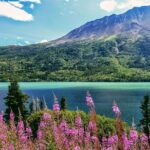
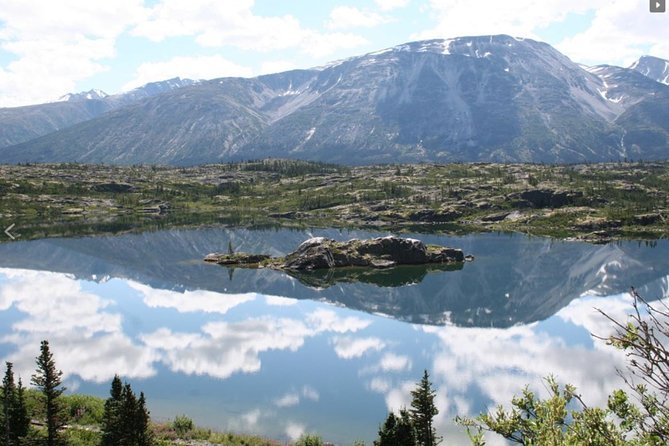
- Emerald Lake: Named for a reason—this is one of the most photographed lake areas in the Yukon, and you’ll have time to stop and take pictures.
- Yukon sign and Welcome to Alaska sign: These are short stops designed for quick, memorable “we crossed” photos. You’ll be looking at the border area as you get into and out of the Yukon/Alaska story at the White Pass.
Also, wildlife spotting is possible: bears, sheep, caribou, elk, lynx, fox, eagles, and moose are all listed as possible. Real talk: you can’t count on seeing all of them. But the route is chosen for a reason, and when wildlife happens, it usually happens fast—so be ready when the guide points it out.
The main event: the Caribou Crossing Iditarod Training Camp stop
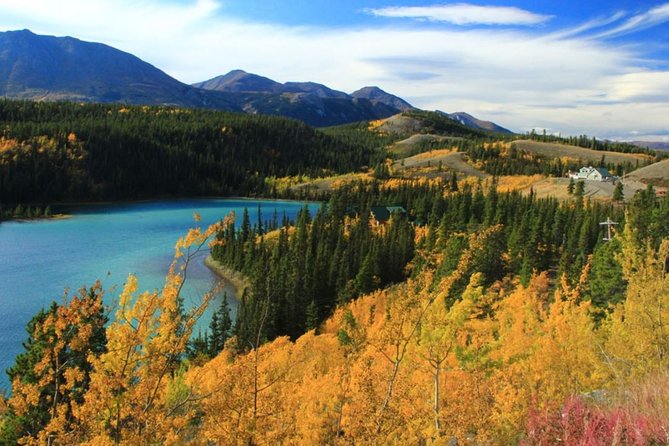
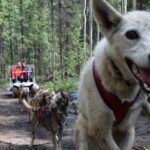
The core Yukon-side stop is Caribou Crossing Iditarod Training Camp, listed as about 1 hour. That hour is packed: you’ll have time for lunch (depending on your exact timing during the stop), the wildlife museum, a petting farm, and puppies.
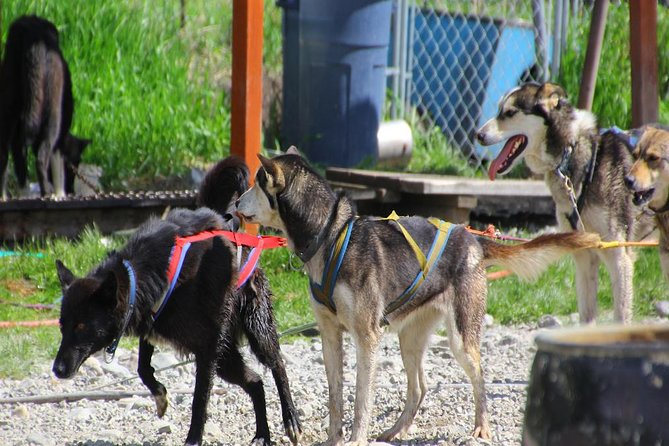
Here’s why this is valuable: you’re not only watching dogs from far away. You’re joining a training environment tied to the Iditarod story, where you can understand how the team works, how handlers manage the dogs, and what life looks like at a musher camp.
What you should expect, practically:
- Wildlife museum: You’ll have admission included.
- Petting farm: You’ll have access included, with time to visit.
- Puppies: You’ll be able to see very young pups. Contact varies by day and setup; plan on mostly supervised interaction or viewing rather than a guaranteed long cuddle session.
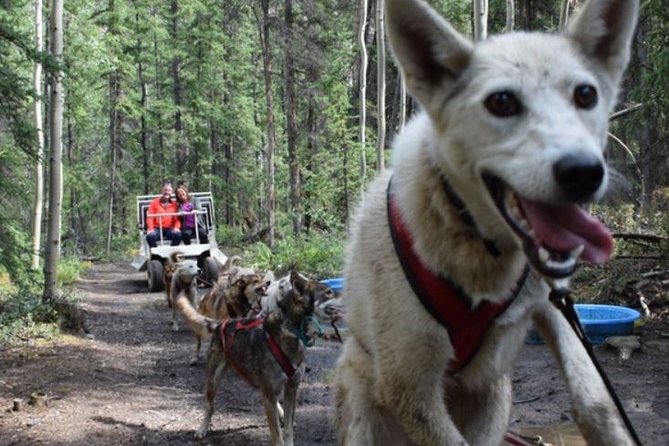
- Dog mushing session: The tour description calls out a 15-minute dog mushing adventure added to the “Yukon Discovery” concept.
Dog mushing: awesome when it’s on, but keep your expectations flexible
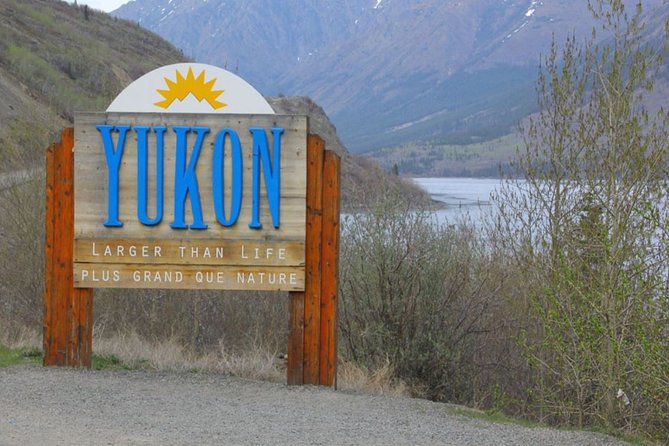
Most people book this because they want the sled-dog experience. The key consideration is that the “how it looks” piece can depend on conditions. The tour operates in all weather conditions, and specific stops can be modified based on road and weather conditions.
In warmer months or low-snow conditions, the “mushing” portion may be handled differently than a winter sled run. Some days can include a short ride behind or in front of the dogs, and other days may focus more on training and camp experience with less classic snow action. Either way, the dogs are the centerpiece, and you’ll also get to hear from staff on how they work with the teams.
Two comfort-related notes:
- This is a brief dog moment inside a bigger day.
- Camp grounds can get muddy in rain, so footwear matters more than people expect.
Lunch in the middle: included, with a vegetarian option
Lunch is included, and you get two choices: chicken or vegetarian. It also includes coffee, tea, or water. Snacks and bottled water are not included, but you can buy them.
What I like about this for a shore day: you don’t have to hunt down a restaurant that can handle both your schedule and your preferences. The only caution is pacing. Since the dog camp stop is time-limited, your lunch won’t be a long sit-down meal. If you’re the type who needs extra time to eat calmly, you may want to eat efficiently the moment you’re seated.
The human part: your driver-guide does a lot of the heavy lifting
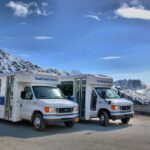
This tour is designed around live onboard commentary and a professional driver-guide. The vehicle has a public address system, which helps if you’re not sitting near the front.
From the guide names that come up in past tours, you might see drivers like Chad, Kenton, Eric, Noah, or Rebecca/Rebekah. You shouldn’t count on any one person, but it’s a good sign that guides are active in storytelling and in making sure you’re dropped off for the best photo moments.
If you care about local context, this is a real plus. Skagway can feel like a theme town until someone explains the gold rush, the geography, and the “why” behind each viewpoint stop. On this kind of drive, the guide can turn a bus ride into an education.
Group size and bus comfort: close enough to feel personal
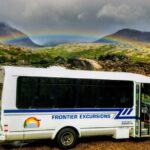
The bus is small compared to some Alaska tours. It holds up to 32 people, and the tour max is listed at 30 travelers. That usually means you’ll be able to hear the guide without straining too hard.
Comfort warning, based on what people reported: some days run warm in the vehicle, and the heating/cooling can be annoying if you’re sensitive to temperature. Bring a layer even inside the bus—your body will thank you at the stop when wind hits and your seat is suddenly too warm.
Passports and border reality: don’t guess, bring the right documents
This tour crosses into Canada territory, so documentation matters. A valid passport or passport card is required on all tours. If you don’t have one, the info provided says you should contact Canadian Customs for other possible documentation.
There are also rules depending on citizenship:
- U.S. and Canadian citizens need government-issued photo ID and proof of citizenship (like a U.S. birth certificate or naturalization certificate) or a passport for re-entry to the U.S.
- Non-U.S. citizens need either a passport, I-94, multiple entry visa, or resident alien card for U.S. re-entry.
And yes, people have shown up without the right documents. If you do, you can lose the dog portion completely or worse. So double-check before you leave your room, then double-check again in your day bag.
What’s the tradeoff versus other Skagway shore tours?
This is a “highlights plus” style of outing. You’ll cover a lot of ground and hit multiple stops. But the dog camp portion is time-limited, and in many cases the puppies and museum time aren’t meant to become an all-day hangout.
So this tour makes the most sense if you want:
- Scenic viewpoints and border-photo stops
- A real camp setting with sled dogs
- Lunch included so you don’t lose time hunting food
- A guided day that stays within ship-friendly hours
If what you want most is a long ride, maximum hands-on time with puppies, or a winter-style snow experience, you may feel squeezed. The tour is built to fit the schedule, and the schedule wins.
Who should book this tour?
I’d point this one at you if:
- You want Alaskan racing-husky culture more than a generic roadside photo stop.
- You like short, well-run experiences with lots of variety in one day.
- You’re traveling with kids or teens who get excited by animals and scenery.
I’d think twice if:
- You’re expecting guaranteed, long classic snow sled runs every time you go.
- You get grumpy with rushed meals or short camp time.
- You strongly prefer hands-on interaction with puppies; contact can be limited depending on conditions and setup.
Should you book this Yukon dog sledding tour from Skagway?
If your dream is a mix of Emerald Lake scenery, border viewpoints at White Pass, and a training-camp stop with sled dogs and puppies, then yes—this is a solid choice for the value you get. At $229 per person, it only feels expensive if you end up disappointed by the length or format of the dog experience, especially on non-snow days or bad weather pacing.
My advice: book it if you’re excited for a “see the Yukon and meet the dogs” day, not a long multi-hour sled ride. And whatever you do, prioritize your passport check and pack for mud and cold, because Skagway days can change fast.
FAQ
Do I need a passport for this Skagway to Yukon tour?
Yes. A valid passport or passport card is required on all tours. The tour crosses into Canada territory, and the operator also outlines additional proof-of-citizenship/document rules for U.S. and Canadian citizens and re-entry requirements for non-U.S. citizens.
How long is the tour, and when does it end?
The tour is about 6 hours and returns to Skagway at around 4:30 pm. You should confirm your ship leaves at least 1 hour after the tour returns.
Where do I meet the tour?
You meet at the Yukon Heath’s Popcorn Emporium area on Broadway in Skagway (provided addresses include 480 Broadway and 216 Broadway). The meeting point is in town, and the activity ends back at the meeting point.
What’s included besides the dog activity?
Lunch is included, along with admission to the wildlife museum and time at the petting farm. You’ll also get professional driver/guide service with live onboard commentary and a bus with an audio system.
Is lunch included, and can I choose vegetarian?
Yes. Lunch is included with two choices: chicken or vegetarian. Coffee, tea, or water is included with lunch.
What are the main sightseeing stops during the drive?
You’ll visit Capt Moore’s Suspension Bridge, Tutshi High, Emerald Lake, and the Yukon and Welcome to Alaska border-area sign stops near White Pass. Wildlife spotting may be possible.
Will I definitely get to ride a sled with the dogs?
The dog-mushing portion is part of the tour, but the operator notes that tour stops can be modified based on road conditions and weather, and tours operate in all weather conditions. That means the exact format can vary by day.
How big is the group?
The bus can hold up to 32 people, and the maximum for the activity is listed as 30 travelers.
What should I wear for this tour?
Dress in layers. The operator recommends layers because weather can vary greatly, and the tour runs in all weather conditions.
Do I need to bring anything besides a passport?
You should bring your passport (or passport card) and any required supporting documents based on your citizenship status. Also plan to arrive early and bring appropriate footwear since the day can involve muddy conditions around the camp area.