REVIEW · TAURANGA
Rotorua Highlights Tour
Book on Viator →Operated by Tino Pai Tours · Bookable on Viator
Rotorua in one day can be fast—and fun. This highlights tour packs geothermal sights, forest scenery, and Māori storytelling into a smooth day off the Tauranga/ Mount Maunganui area. I love how the stops are practical and varied, so you get real texture: steam, sulfur, lakes, and walking-time viewpoints without needing to plan anything.
One big reason I’d pick this tour is the small-group feel (max 15) combined with guide-driven context. I also like the little comforts built in for the drive, like all-inclusive snacks and bottled water, which help on a day that can run 6 to 8 hours.
The main trade-off is time per stop. Most visits are short, so if you want to linger for hours in Government Gardens or take a longer wander in the Whakarewarewa Redwoods, you may feel a bit rushed.
In This Review
- Key Things You’ll Notice on This Rotorua Highlights Day
- Getting to Rotorua: Timing From Tauranga (and Why It Matters)
- The Drive With Snacks and Storytelling: What You Actually Gain
- Sulphur Point: The Instant Rotorua Smell Test
- Government Gardens: A Surprisingly Local Break From Steam
- Kuirau Park: Where the Hot Earth Becomes Personal (Foot Spa Included)
- Mt Tarawera and Lake Tarawera: Burnt Spear Views + Māori Rock Art
- Lake Tikitapu: A Short Cultural Stop With a Name That Means Something
- Whakarewarewa Redwoods (The “Big Forest” Moment): Quick Time, Big Feel
- Optional Time: Te Puia for Souvenir Shopping (If Time Allows)
- Price and Value: What $111.70 Covers in Real Life Terms
- Who Should Book This Rotorua Highlights Tour
- Final Call: Should You Book This One?
- FAQ
- How long is the Rotorua Highlights Tour?
- Where does the tour start and end?
- What time does the tour usually run?
- What if my cruise ship arrives after 10:00am?
- How many people are in the group?
- What’s included during the day?
- Are admission fees included for the main stops?
- What should I wear or bring?
- Is the tour weather dependent?
- Is a mobile ticket used, and are service animals allowed?
Key Things You’ll Notice on This Rotorua Highlights Day
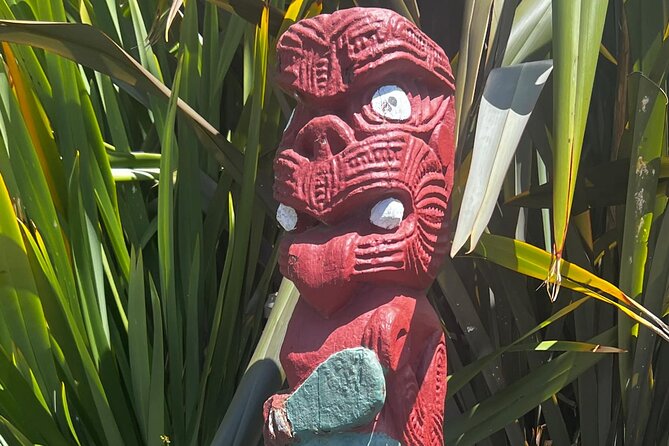
- Short, high-impact stops that still cover multiple Rotorua geothermal and lake viewpoints
- Kuirau Park foot spa with warm pools and towels, plus guidance to stay safe around geothermal areas
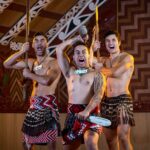
- A guide who adds stories, with some groups experiencing guitar and song moments (for example, Tom or Messina-style hosting)
- Lake Tarawera’s eruption-era Māori art and lake-front cultural stops tied to 1886 history
- Californian redwoods in Whakarewarewa Forest, set in a huge forest area locals know well
- Value for money: free admission listed for most stops, plus snacks and water included
Getting to Rotorua: Timing From Tauranga (and Why It Matters)
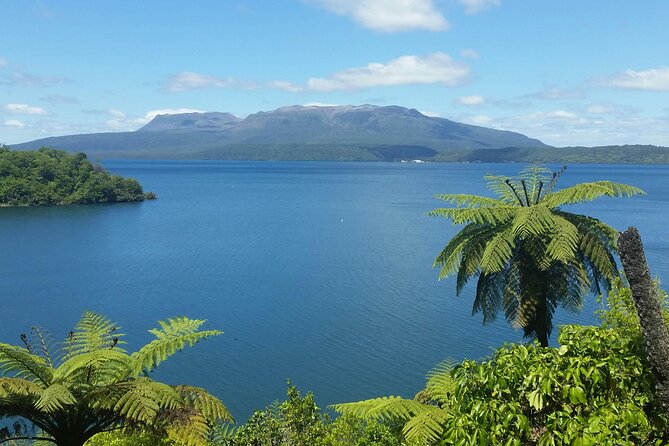
Rotorua is about a 1.5-hour drive from the Tauranga side, so you’re not just doing a “next door” hop. You’re doing a real day trip. The standard tour window runs 10:00am to 4:00pm, and if your cruise docks after 10:00am, the tour leaves about 60 minutes after the ship is tied up. You’ll get a confirmation beforehand, which is important when you’re trying to connect your shore day with a schedule.
I like that this tour is built for cruise realities. You get a clear time block, and the pacing reflects the fact that you might have limited time on land. That also explains why many stops are brief: it’s an itinerary designed to show you “Rotorua highlights” rather than a single attraction in depth.
The meeting point is easy to find: 2 Salisbury Avenue, Mount Maunganui, and the tour ends back at the same place. If you’re coming in from the port area, you’ll typically just focus on getting to the meeting spot on time and keeping an eye on the meeting-time updates.
And yes, it’s a mobile ticket tour. That’s one less thing to worry about once you’re already juggling a shore day.
You can also read our reviews of more tours and experiences in Tauranga.
The Drive With Snacks and Storytelling: What You Actually Gain
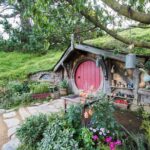
The ride from Tauranga to Rotorua is part of the experience, not just transport. The tour includes all-inclusive snacks and bottled water, which means you won’t be scrambling for food between stops. It also keeps the day more relaxed, especially if you’re someone who hates making a “quick purchase” mission every time the schedule changes.
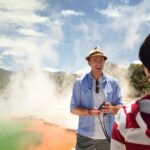
More importantly, the drive gives your guide time to set context. This area can feel like a list—steam here, lake there, forest over there—until someone explains why it matters. With this tour, your guide’s job is to connect the dots so you understand what you’re looking at: geothermal conditions, Māori place names and meaning, and how the region’s history shows up in what you see today.
In a few real-life examples from the guide lineup, hosts like Tom have welcomed groups with an original Māori song and guitar at the port. If you happen to be on one of those days, it’s a great start: warm, human, and it puts you in a cultural mindset before you even step out of the vehicle.
Sulphur Point: The Instant Rotorua Smell Test
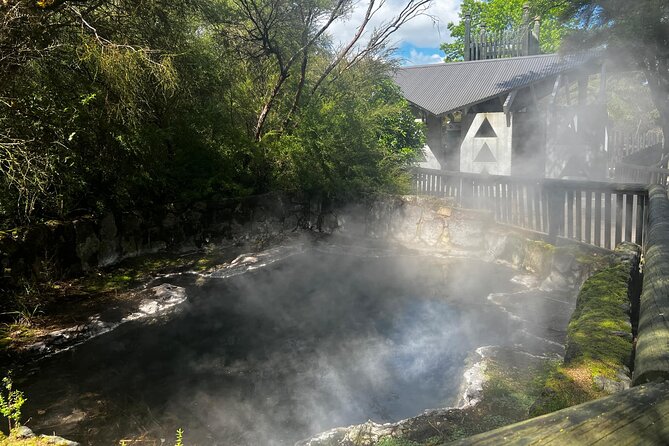
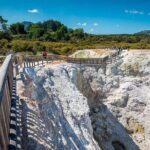
The day kicks off with Sulphur Point, located at the southern end of Lake Rotorua. This is one of those stops where the environment does the talking. Expect a short visit—listed at about 15 minutes—and plan to use it for observation and photos more than long walking.
Why it’s worth your time: it’s a quick way to understand Rotorua’s geothermal identity. Even if you’re new to geothermal areas, you’ll recognize the mix of sulfur notes, steam, and constantly changing ground conditions that make the region feel alive.
If you’re someone who hates spending time in gift-shop mode, this is a good first stop. You get nature right away and you don’t feel you’ve “wasted” the start of your tour.
Government Gardens: A Surprisingly Local Break From Steam
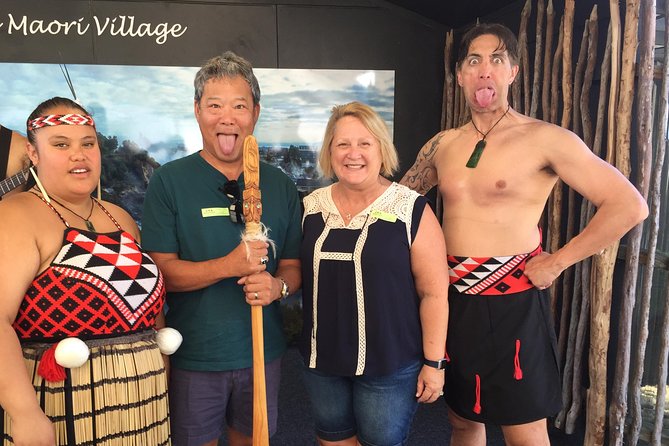
Next up is Government Gardens, near the centre of Rotorua, with a short stop of around 10 minutes. On paper, gardens can sound like a calm detour. In practice, these gardens come with something extra: they include activities like a bowling club, petanque, croquet, and even a golf course.
That matters for your expectations. You’re not just looking at pretty plants here. You’re seeing how Rotorua residents enjoy public space between geothermal and lake days.
This stop can be a bit more “sit and look” than “wow and run,” so it’s ideal if you like breathing room. But because it’s short, don’t plan on a slow stroll here. Use it to orient yourself visually and take a quick reset before the geothermal intensity increases.
Kuirau Park: Where the Hot Earth Becomes Personal (Foot Spa Included)
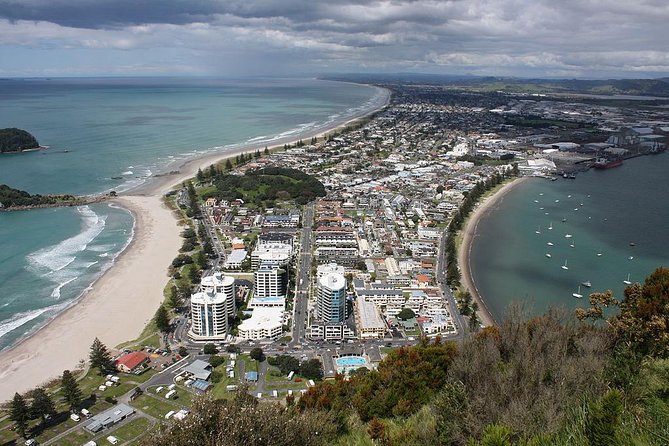
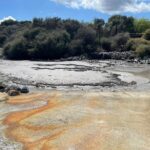
If you want one reason this tour is consistently easy to recommend, it’s Kuirau Park. The stop is about 30 minutes, and that time is usually enough to see the geothermal activity up close without feeling rushed.
What you’ll experience here:
- Hissing, roaring, and bubbling geothermal activity around walking tracks
- Geothermal features you can’t fully appreciate without being in the area
- A chance to take your shoes off and use the warm foot spa pools (towels provided)
Safety matters at Kuirau Park. The geothermal area is fenced, and you’re meant to stay on the cool side of those safety barriers. Eruptions can happen from time to time, so treat the fences as part of the experience, not as an obstacle. If you’re traveling with kids, this stop can be fun, but I’d still keep a close eye on them around the boundaries.
Why this moment sticks: a foot spa turns “geothermal science” into a sensory memory. You don’t just see heat sources—you feel the warmth in your own body. It’s a small thing that makes the day feel real.

Mt Tarawera and Lake Tarawera: Burnt Spear Views + Māori Rock Art
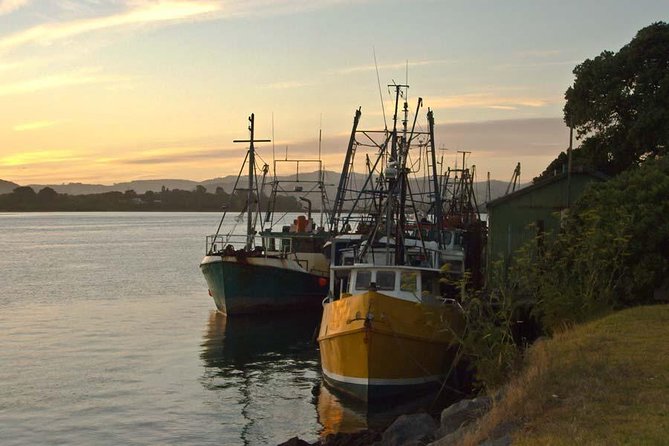
You’ll then move to the Mt. Tarawera area and the lakefront. Mt. Tarawera is linked to a powerful story: Lake Tarawera’s name roughly connects to meaning like burnt spear, and the 1886 eruption played a huge role in shaping what’s visible today.
This is where the tour does something smart for first-time visitors. Instead of only pointing at scenery, it anchors the scenery to place names and to what happened in the past. You get short stops—around 15 minutes each at the Mt. Tarawera and Lake Tarawera points—so the goal here is focused understanding, not a long lesson.
On the Mt Tarawera stop, you’ll visit paintings on the lakefront tied to the eruption-era story. On the Lake Tarawera stop, you’ll connect with Māori rock art linked to the submerged landscapes created by the 1886 eruption.
The Lake Tarawera cultural stop is described as presented by the TUHOURANGI TE IWI (The tribe). That’s a reminder that the meaning of the lake isn’t just historical—it’s ongoing cultural connection to place. If you’re the type who takes notes while everyone else takes photos, this is where you’ll use that instinct.
Tip for this stretch: keep your camera ready, but also pause. Rock art and paintings can look small from a distance, and a quick look with the explanation in your head changes what you notice.
Lake Tikitapu: A Short Cultural Stop With a Name That Means Something
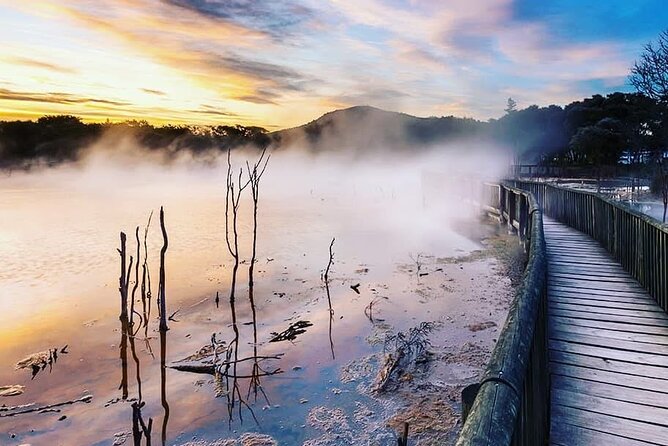
After Lake Tarawera, you’ll have a stop connected to Lake Tikitapu. The description highlights Māori meaning tied to a sacred greenstone, or pounamu, necklace believed to have been worn by a daughter of a high-ranking chief.
This is the kind of stop that can be easy to overlook if you treat it as just another lake photo. But a place-name story like this is exactly what makes a “highlights tour” worth doing. You end up with an extra layer of meaning for a view you would’ve seen anyway.
Because the time in the itinerary isn’t clearly listed for this particular stop, just expect it to be more of a “look and learn” moment than a full walking excursion. That’s still valuable, especially when you’re balancing a full day.
Whakarewarewa Redwoods (The “Big Forest” Moment): Quick Time, Big Feel
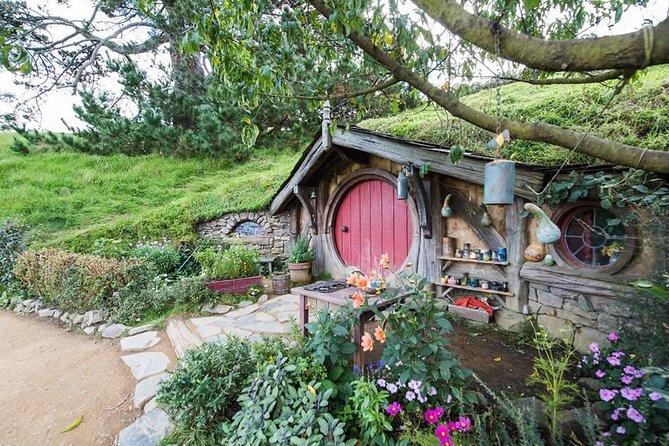
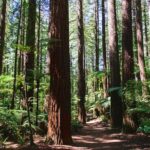
The later part of the day brings you to Whakarewarewa Forest, known locally as The Redwoods. This is a huge forest area—over 55,000 hectares—and the standout is the towering Californian redwoods.
In a highlights format, you usually won’t get a long hike here. The time listed for this stop is about 15 minutes, so this is best treated as a “get your bearings and soak in the scale” visit. The point is the feeling: tall trunks, a sense of shade, and a forest that feels different from the geothermal-lake scenes earlier in the day.
Why I still think it works: after steam and sulfur, a forest stop refreshes your senses. It’s also a great photo moment. If you’re tempted to rush through, don’t. Even a short pause under those trees helps you remember that Rotorua isn’t only heat and water—it’s also forest atmosphere.
Optional Time: Te Puia for Souvenir Shopping (If Time Allows)
Depending on timing, there may be a stop at Te Puia for souvenir shopping. It’s described as time permitting, so don’t assume you’ll get it.
I like that the tour offers an “if we have the time” option. It gives you flexibility without breaking the core structure of the day.
If you’re trying to buy Māori-made souvenirs, local crafts, or small gifts, this is the part of your day to ask your guide what’s available there—right then—because you won’t want to leave decisions for later.
Price and Value: What $111.70 Covers in Real Life Terms
The price is $111.70 per person, and the value comes from a few concrete factors, not just marketing math.
Here’s how the day adds up for your wallet and your time:
- You’re paying for a full day out of Tauranga/ Mount Maunganui, with transport to multiple Rotorua points
- You get all-inclusive snacks and bottled water included
- Several stops list free admission, including Sulphur Point, Government Gardens, Kuirau Park, Mt. Tarawera, Lake Tarawera, and the Redwoods stop
- The tour caps at 15 travelers, which usually means less crowd pressure and more guide attention
The only “cost” side is your own expectations. This isn’t a slow, multi-hour walking day. It’s designed to show you a lot within 6 to 8 hours. If you like variety and you’re okay moving on quickly, it’s a strong deal. If you hate time limits, you’ll feel it.
Who Should Book This Rotorua Highlights Tour
This tour makes the most sense if you:
- Want a fast overview of Rotorua without planning stops on your own
- Like a mix of nature and cultural context in the same day
- Travel with a small group preference (max 15) and appreciate guided commentary
- Are interested in geothermal activity you can actually experience, including the foot spa
It may not be ideal if you:
- Dream of spending long hours in any single location
- Want extended forest walking time at Whakarewarewa
- Prefer self-guided roaming over a fixed route
If you’re on a cruise day with limited hours on land, this kind of packed itinerary is usually the smartest way to get value from your shore time.
Final Call: Should You Book This One?
I’d book this Rotorua Highlights Tour if you want an efficient day that feels like more than a drive-through. The standout is Kuirau Park with its foot spa, and the second standout is how the day mixes geothermal, lakes, and Māori place meaning into short stops you can handle.
I’d skip it (or at least set expectations low) if you’re the type who wants to linger for hours in gardens or forests. This tour is about seeing a lot, not hanging out.
If your goal is Rotorua highlights with minimal stress, you’ll likely come away with the sense that you got the best sample platter the region offers in a single day.
FAQ
How long is the Rotorua Highlights Tour?
It runs about 6 to 8 hours.
Where does the tour start and end?
The meeting point is 2 Salisbury Avenue, Mount Maunganui, and the tour ends back at the same meeting point.
What time does the tour usually run?
Standard tour times are 10:00am to 4:00pm.
What if my cruise ship arrives after 10:00am?
If your cruise arrives after 10:00am, the tour departs about 60 minutes after the ship has docked. You’ll be confirmed prior to departure.
How many people are in the group?
The tour has a maximum of 15 travelers.
What’s included during the day?
Snacks and bottled water are included, and towels are provided for the warm foot spa in Kuirau Park.
Are admission fees included for the main stops?
Many stops list free admission, including Sulphur Point, Government Gardens, Kuirau Park, Mt. Tarawera, Lake Tarawera, and the Redwoods stop.
What should I wear or bring?
Wear comfortable footwear. It’s also a good idea to be ready to walk on paths around geothermal areas.
Is the tour weather dependent?
Yes. It requires good weather, and if it’s canceled due to poor weather, you’ll be offered a different date or a full refund.
Is a mobile ticket used, and are service animals allowed?
Yes, the tour uses a mobile ticket. Service animals are allowed.