REVIEW · BARCELONA
Shore Excursion: Barcelona City Tour Hop-On Hop-Off
Book on Viator →Operated by Julia Travel S.L · Bookable on Viator
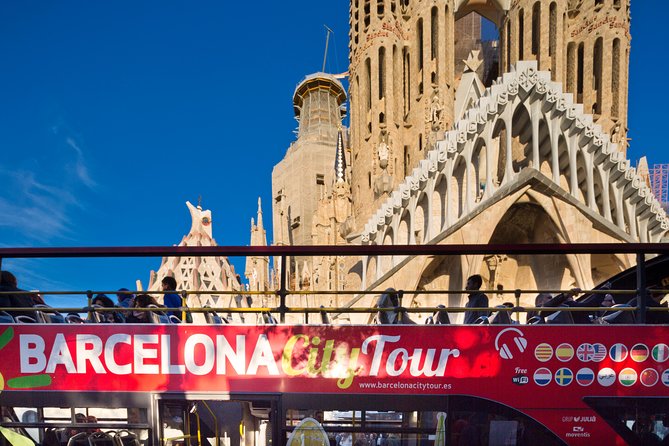
A great city lesson comes in two routes. This Barcelona hop-on hop-off bus tour gives you a quick overview across the classic sights, beaches, and viewpoints, with two interconnecting routes on one ticket. I like the sliding roof double-deckers for rainy weather, and you get a free discounts booklet plus an English audio guide system to help you place what you’re seeing.
The main drawback is simple: Barcelona is traffic-heavy, so you may lose time on the road and some stop areas can get crowded. Also, a few key sights have a catch—like the Park Güell stop, which can mean a walk uphill and stairs to reach the entrance.
In This Review
- Key Things I’d Focus On
- Two Routes, One Ticket: How This Hop-On Hop-Off Works
- A quick timing reality check
- Price and Value: What You’re Really Paying For
- Rain, Seats, and Audio: The Small Details That Matter
- Where to sit for comfort
- Audio: good tools, occasional quirks
- Entering the City: East Route Stops You’ll Want to Know
- Pla de Palau → Barceloneta Beach
- Port Olímpic → Platja Bogatell → Nova Mar Bella
- Forum Sport → Glòries
- Recinte Modernista de Sant Pau → Park Güell
- La Pedrera (Casa Milà) → Casa Batlló
- Barcelona City Tour stop → Arc de Triomf → Ciutadella Park
- The West Route: Montjuïc-Style Views, Stadium Energy, and More
- World Trade Center area → Miramar
- Olympic Ring → Museu Nacional d’Art de Catalunya
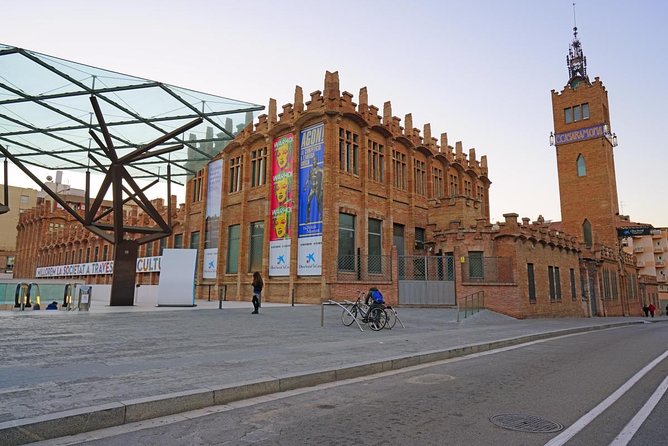
- Poble Espanyol → CaixaForum Barcelona → Plaça d’Espanya
- Camp Nou (Spotify Camp Nou) and stadium timing
- A key works-related change: Plaça de Francesc Macià
- Sagrada Família and the Final Stretch Back
- Cruise-Day Logistics: Where This Can Shine or Fray
- How to make it work
- Who This Tour Is Best For
- Who might want a different plan
- Should You Book Barcelona City Tour Hop-On Hop-Off?
- FAQ
- How long is the Barcelona City Tour hop-on hop-off?
- Is there just one route, or can I choose between two?
- Is the tour available in English?
- Do the buses have rain protection?
- What’s included, and is food included?
- Can I get a full refund if plans change?
Key Things I’d Focus On
- Two full routes on one ticket so you can swap plans without restarting.
- Sliding roof on open-top double-decker buses to cut down on rain soaking.
- Free discounts booklet for major attractions, shops, and restaurants.
- Audio guide with headphones support (including a looping system for people with auditory disabilities).
- Lots of stops across neighborhoods so you can build your own mini-itinerary.
- Expect crowds at popular boarding points and plan to board early if you want top-deck seats.
Two Routes, One Ticket: How This Hop-On Hop-Off Works
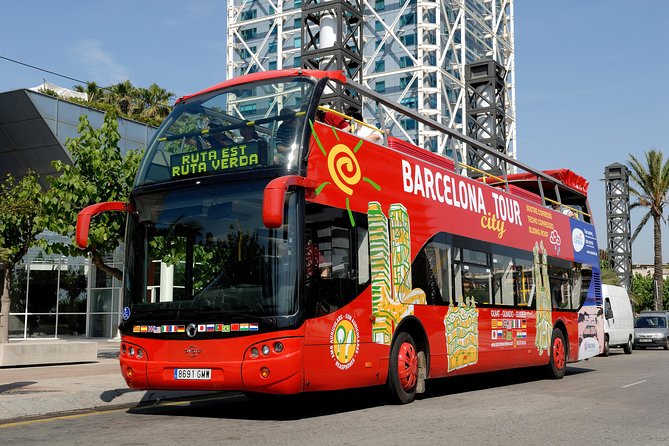
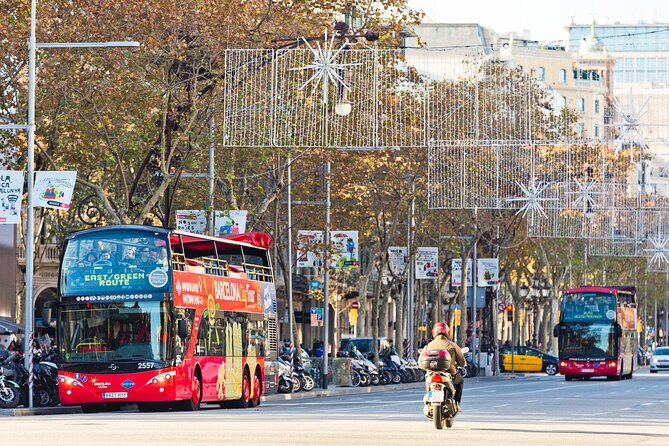
This is a classic hop-on hop-off format, built for cruise-day time limits. You board a double-decker, open coaches that run with regular departures, and you can get on and off along the way to match what you actually feel like doing—architecture today, beach tomorrow, stadium vibes later.
What makes this version more useful than some is that your ticket works on both the East Route and West Route. That means you can start on one side of the city, then switch direction later, instead of committing to a single rigid loop. The tour also leans practical: it’s offered in English, with a multilingual audio system so the narration stays consistent stop to stop.
You can also read our reviews of more tours and experiences in Barcelona.

A quick timing reality check
The ride time is listed around 2 hours 20 minutes (approx.), but hop-on hop-off tours always run longer in real life because you’ll stop to look and walk. Barcelona’s traffic can add delays too. That’s not a deal-breaker—just don’t treat it like a clean, minute-by-minute subway.
Price and Value: What You’re Really Paying For
At $39.65 per person, this sits in the “pay to save time” category. You’re not paying for a private guide. You’re paying for convenience: one ticket, lots of stops, and audio narration so you can connect neighborhoods without doing a ton of homework.
The extra value hooks are:
- Free discount booklet for attractions, shops, and restaurants.
- A designed coverage plan—so you don’t just see one theme of Barcelona.
- The rain-friendly bus setup (sliding roof) if weather goes sideways.
If you’re the type who likes to pick a few “must sees,” get your bearings, and then walk to the ones you care about, this can be a solid use of your limited cruise hours. If you want a deep, slow, guided experience at every stop, you’ll likely want something more focused.
Rain, Seats, and Audio: The Small Details That Matter
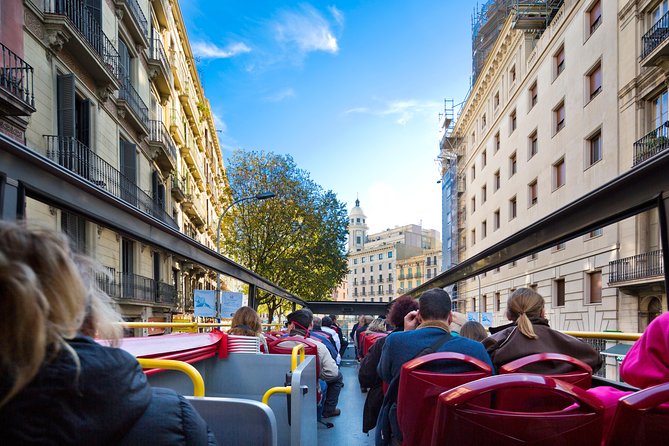
Barcelona’s weather can change fast. This tour uses double-decker buses with a unique sliding roof designed to help keep you dry if it rains. That said, conditions are still conditions. One common lesson from real-world use: even with rain features, water can still find weak spots near doors and windows in heavy weather, and boarding can get chaotic.
Where to sit for comfort
If you want the best views, you’ll naturally aim for the top deck. The tradeoff is crowds. Seats can get limited at major attractions like Sagrada Família, so if that’s your priority, plan to board earlier rather than later.
A few more Barcelona tours and experiences worth a look


Audio: good tools, occasional quirks
The tour includes an audio guide system with a multilingual looping setup for passengers with auditory disabilities—priority seating is available for those who need the system. Regular passengers use headphones through the audio setup as well.
One practical note: the audio jacks can be a weak point. Some rides report cracking or connection issues. If the sound cuts in and out, check the jack fit and switch seats if you can.
Entering the City: East Route Stops You’ll Want to Know
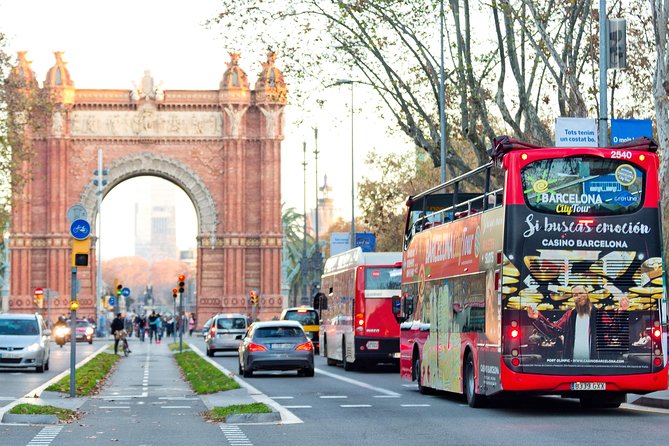
The East Route is a strong choice if you want a mix of seaside energy, central neighborhoods, and top “Barcelona photo” landmarks. You’ll pass major points along the way, with stop options that let you hop off for a walk or a longer look.
Here’s how the East Route feels, stop by stop, and what to watch for.
Pla de Palau → Barceloneta Beach
You start around Pla de Palau, a good launching point for understanding the city’s layout near the waterfront. From there, Barceloneta Beach is your easy win if you want the Mediterranean mood without planning a whole separate beach outing.
Tip: If you want photos with fewer detours, hop off at Barceloneta and then decide on the spot whether you’ll actually stay for the beach or just do a quick shoreline stroll.
Port Olímpic → Platja Bogatell → Nova Mar Bella
Next comes Port Olímpic, followed by beaches like Platja Bogatell and Platja de la Nova Mar Bella. This stretch is less about museums and more about rhythm: water, promenades, and a different side of Barcelona than the Gothic core.
If you’re walking as a strategy, these stops help you connect the beach areas without guessing routes or relying on transit schedules.
Forum Sport → Glòries
Stops like Forum Sport and Glòries put you back into the city grid. Glòries is useful because it helps you orient your next move—especially if you’re trying to connect sightseeing with shopping or local food streets later.
Recinte Modernista de Sant Pau → Park Güell
Recinte Modernista de Sant Pau is one of those “wait, that’s gorgeous” stops. It’s worth treating as more than just another bus window view.
Then you’ll head toward Park Güell. Here’s the catch: the Park Güell stop is not the front door. Expect an uphill walk and a stair climb from the stop to the park entrance. If stairs aren’t your thing, you might want to plan a shorter visit or rethink how long you hop off there.
La Pedrera (Casa Milà) → Casa Batlló
Architecture lovers will start smiling here. La Pedrera – Casa Milà and Casa Batlló are the kind of buildings that look like they’re thinking. You’ll see them from the bus, and you can hop off when you’re ready to go inside.
Practical move: If you only have time for one major interior visit, pick the one whose style you prefer more. Save the other for a future trip.
Barcelona City Tour stop → Arc de Triomf → Ciutadella Park
The itinerary includes a Barcelona City Tour stop that acts like a way to reset your day. After that, Arc de Triomf and Ciutadella Park give you a break from the nonstop streets. This is where you can get photos, stretch your legs, and recharge before your next hop.
Ciutadella Park in particular works well for a calmer pause if you’re trying to balance big sights with downtime.
The West Route: Montjuïc-Style Views, Stadium Energy, and More
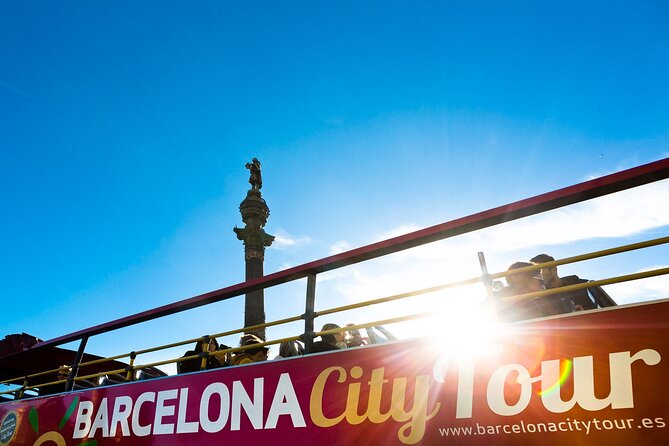
The West Route leans toward viewpoints, museums/areas near Montjuïc, and a dose of football culture. It also includes stops that feel different from the beach side—more hill views and urban landmarks.
World Trade Center area → Miramar
You start with WTC Barcelona Parking, then head toward Avinguda Miramar stops. This zone is a classic “Barcelona view” approach: you’re moving into areas where the city spreads out below you.
Olympic Ring → Museu Nacional d’Art de Catalunya
The route includes Olympic Ring and the Museu Nacional d’Art de Catalunya area. This is a good stretch if you want the city’s scale and you like seeing where landmarks sit on the hill.
Poble Espanyol → CaixaForum Barcelona → Plaça d’Espanya
Next is Poble Espanyol, followed by CaixaForum Barcelona, and then Plaça d’Espanya. This part of the route is useful for connecting arts spaces with a recognizable neighborhood feel.
If you’re planning to walk after hopping off, this cluster makes it easier to group things without crossing the city blindly.
Camp Nou (Spotify Camp Nou) and stadium timing
You’ll also reach Spotify Camp Nou. This can be a great stop if you want football energy or you want to just say you saw it in person.
One note from real-world use: the crowds and boarding rhythm can be intense depending on time and demand, so try not to wait until you’re rushed by schedule.
A key works-related change: Plaça de Francesc Macià
The itinerary notes that Plaça de Francesc Macià will be cancelled due to works, with an alternative location used instead. Translation: expect a route adjustment. Build a time buffer so you’re not stressed if your exact planned stop isn’t where you expected.
Sagrada Família and the Final Stretch Back
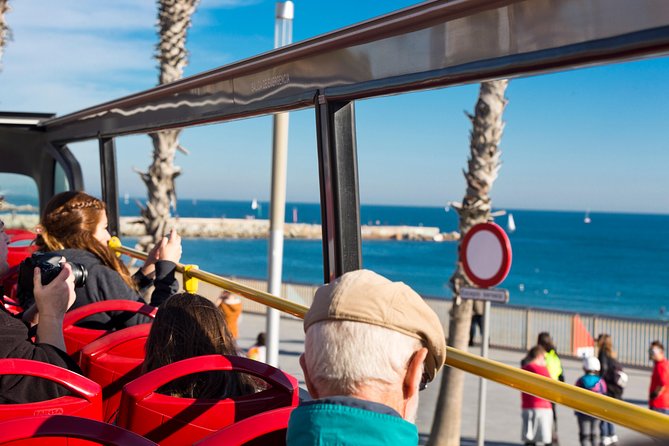
Sagrada Família shows up in the overall stop list, and it’s one of the big reasons many people choose hop-on hop-off. Just remember: top-deck seating can get tight here, and boarding can be slow if the stop is busy.
From there, the list also includes stops around Barcelona Nord Bus Station and Carrer de la Marina, plus a return toward Port Olímpic and Pla de Palau. This final stretch helps you close the loop, especially if your starting point was near the waterfront.
Cruise-Day Logistics: Where This Can Shine or Fray
This tour is designed for cruise port visitors, but the practical truth is that ports are busy and distances matter. One recurring issue is that the meeting point can feel far from the cruise area, which can be inconvenient if you’re short on time.
How to make it work
- Give yourself a cushion for getting to the bus stop.
- If you’re traveling with kids or anyone who hates walking, plan how you’ll return to the ship on time.
- If weather is rough, go early. Rain adds friction fast.
Who This Tour Is Best For
This is a smart match if you want:
- A quick overview with two route choices on one ticket
- English audio narration so you can understand what you’re seeing
- A flexible plan that lets you hop off, wander, and re-board when you’re ready
It’s also a good fit for people who want to reduce pickpocket risk compared with lots of walking in crowded areas, since the bus moves you between neighborhoods.
Who might want a different plan
If you want the bus to drop you at the exact door of every major attraction, keep your expectations realistic. For example, Park Güell is reached from a stop that requires walking uphill and stairs to reach the entrance.
Also, if you hate waiting for buses at crowded stops, you may feel frustrated in peak times.
Should You Book Barcelona City Tour Hop-On Hop-Off?
If you’re doing Barcelona on a schedule—especially from a cruise—this is often a good value way to get oriented. The two-route system is the standout advantage: you can build your day around what you like instead of forcing a single route.
I’d book it if:
- You want English audio and an efficient way to cover major areas
- You like the idea of hopping on and off as your interests change
- You can work with traffic and crowded stops
I’d think twice if:
- You’re arriving with very limited time and hate any uncertainty about meeting points
- You need minimal walking at every stop (Park Güell involves a hike from the bus stop)
- You want a more human, interactive guide experience rather than recordings
FAQ
How long is the Barcelona City Tour hop-on hop-off?
The tour duration is listed as approximately 2 hours and 20 minutes.
Is there just one route, or can I choose between two?
Your ticket is valid on both the East Route and the West Route, so you can change your itinerary as you go.
Is the tour available in English?
Yes. The tour is offered in English.
Do the buses have rain protection?
Yes. The double-decker buses have a unique sliding roof designed to keep you dry if it rains.
What’s included, and is food included?
Included features are the routes and stops with one ticket, multilingual audio guide system, discounts booklet and stop guide, and air-conditioned double-decker open coaches. Food and drinks are not included unless specified.
Can I get a full refund if plans change?
Yes. You can cancel up to 24 hours in advance for a full refund.