REVIEW · BONAIRE
Shore Excursion: North and South Sides of Bonaire
Book on Viator →Operated by Voyager Bonaire Tours · Bookable on Viator
Bonaire in three hours means you’ll see the whole island’s mood. This north-and-south sightseeing loop mixes famous animal stops with salt-flat history, plus quick photo breaks that keep your cruise day from melting away.
I especially like the local-guide storytelling—you don’t just get facts, you get the why behind them. And I like that the route covers both ends of the island, so you’re not stuck choosing between flamingos and salt flats when time is tight.
The main thing to consider is time and vehicle comfort. Some stops are short, and the vehicle can feel tight on busy days, so plan to move quickly at photo stops and be ready for a bit of hustle.
In This Review
- Key points to know before you go
- Hitting Bonaire’s north and south in one efficient loop
- Kralendijk start: where your guide sets the tone
- 1,000 Steps: steep stairs, white sand, and turtle chances
- Goto Lake and the flamingo rule: silence pays off
- Rincon Village: oldest Spanish settlement story in plain words
- Cadushy Distillery versus Chich’i Tan Museum
- Pekelmeer Salt Pyramids and White Pan slave huts
- Sorobon Beach: a quick coastal taste before the return
- Tour pace, timing, and why the van size matters
- The guide quality is the real reason this works
- Should you book this North and South Bonaire tour?
- FAQ
- How long is the North and South Bonaire shore excursion?
- What’s the price per person?
- Does the tour include pickup and drop-off at the cruise port?
- What’s included in the tour price?
- Is there food or drinks included?
- Do I get a ticket on my phone?
- Will I visit a cactus distillery?
- How long are the stops at places like 1,000 Steps and White Pan?
- Is flamingo viewing guaranteed up close?
- What if I need to cancel?
Key points to know before you go
- Cruise-port pickup and drop-off make this easy on a strict shore schedule
- 1,000 Steps is a steep stair climb to a famous turtle-friendly cove
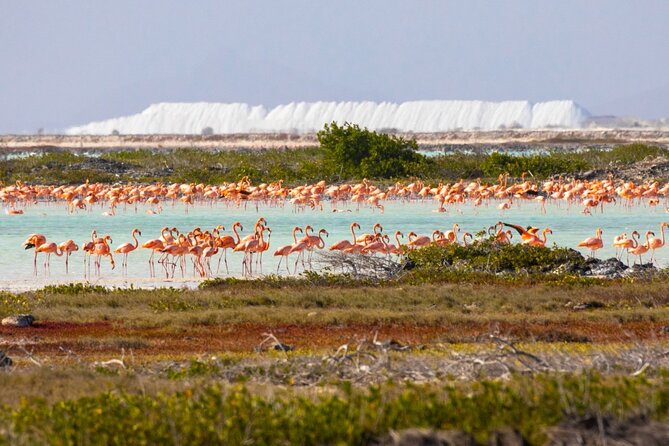
- Goto Lake and nearby flamingo areas are why many people book this tour
- Salt flats plus slave huts give you a strong history stop at the southern end
- Cadushy Distillery or Chich’i Tan museum may swap in based on the day and group
Hitting Bonaire’s north and south in one efficient loop
This tour is built for cruise days. You start with pickup right by the port, then you zig-zag from Kralendijk toward the north side, then cut back across the island and finish at the south where the salt flats dominate.
That route matters. Bonaire’s north side feels more “wild and scenic,” with lagoons, cactus country, and beaches where wildlife is the headline. The south side shifts into salt-production history—pink water pools, pale crystal mounds, and the slave huts at White Pan that explain who worked the pans and why the island’s economy once ran on salt.
It’s also a good “first day on Bonaire” tour. If you’re planning to snorkel, dive, hike, or just explore on your own after, this gives you context fast: where things are, how the island works, and what to prioritize.
A few more Bonaire tours and experiences worth a look
Kralendijk start: where your guide sets the tone
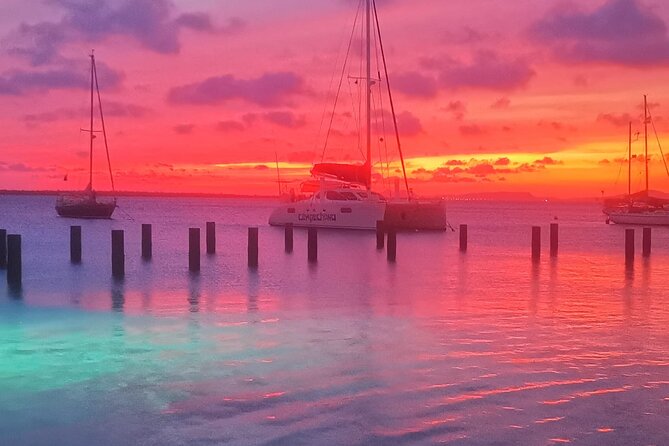
Your day kicks off in Kralendijk, Bonaire’s capital. From there, you head north, and your guide fills the drive with island history and practical context—how people lived here, how the salt industry shaped daily life, and what makes the north-side wildlife areas different from the coastlines you’ll see closer to town.
You’ll also be driving along the kinds of roads that make Bonaire feel like it has multiple “faces” in one trip. Even the short scenic segments add up, because the stops aren’t random roadside pull-offs. They’re chosen points where you can actually look, photograph, and learn without wasting time.
One thing to keep in mind: the tour is tightly timed. If you’re the type who likes to linger, you’ll want to be okay with quick breaks. The good news is that your guide should keep things moving so you see the intended mix of wildlife, culture, and salt history.
1,000 Steps: steep stairs, white sand, and turtle chances
1,000 Steps is one of Bonaire’s most well-known beach spots. It’s reached by a long, steep staircase, and once you’re down, you get bleached coral chunks, white sand, and a cove surrounded by limestone cliffs.
Why people love this stop is simple: the water can be extremely clear, and sea turtles are often spotted in the shallow, turquoise shallows. You’re not guaranteed turtles every single visit, but the odds are high enough that the stop is built for turtle-watchers and snorkeling lovers.
The trade-off is time. A short visit means you’ll likely do a quick look around and take photos fast. If you care most about the turtle spotting, plan to spend your few minutes keeping your eyes on the waterline rather than wandering too far.
Also, this is a “staircase day” whether you want it or not. If stairs are difficult for you, consider that this stop includes a steep climb back up after your beach time.
Goto Lake and the flamingo rule: silence pays off
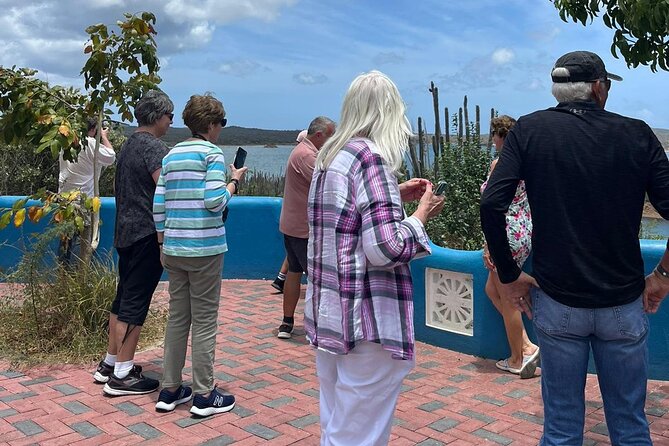
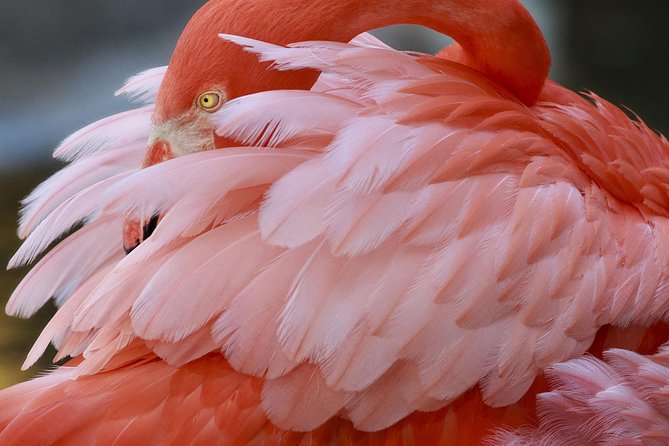
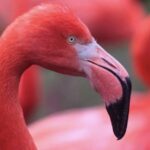
Next comes Goto Lake, a saltwater lagoon and a well-loved flamingo hangout. Bonaire is one of the few places where pink flamingos nest, and the tour is timed so you can check the observation areas for sightings.
Your guide leads you over an access road and through a cactus area to a spot where you can watch them up close when the birds are in the mood for it. Sometimes they’re very near. Other times, they’re farther off. That variability is normal for wild animals, and it’s the reason I recommend treating flamingos here as a “watch and wait” moment, not a guaranteed photo shoot.
One tip that really changes your results: when flamingos are close, stay quiet. The tour instructions even suggest this—noise can spook them, and then you get distant sightings instead of the “wow, they’re right there” moment.
Also, you may get views toward Washington Slagbaai National Park from this area. It’s a nice payoff when you’re waiting for birds to settle and start feeding.
Rincon Village: oldest Spanish settlement story in plain words
After the flamingo areas, you head to Rincon Village. This is Bonaire’s oldest village, first established by the Spanish in the early 1500s, and it’s also described as the oldest continuously existing settlement within the Netherlands Antilles and Aruba.
This isn’t a big museum-style stop. It’s more of a “listen, look around, and understand how the island was planned” moment. In a short tour, you won’t get hours and hours here—but if you want history that connects to what you’re seeing, Rincon is a solid bridge between nature stops and the southern salt-pan story.
Cadushy Distillery versus Chich’i Tan Museum
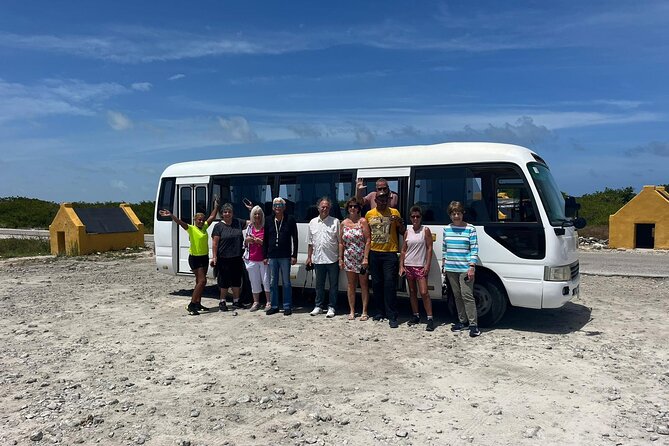
One of the easiest decisions this tour gives you is whether you want the cactus-liquor stop or a more traditional museum visit. The tour runs one of these two options: Cadushy Distillery (with cactus liqueur tasting) or Museo Chich’i Tan (a museum housed in an old house with collections like tools, pottery, and historic musical instruments).
If Cadushy Distillery is the choice on your day, you’ll see how cactus liqueur is made and you can sample it. That’s a fun, hands-on way to taste Bonaire beyond the usual souvenir bottle.
If the Chich’i Tan museum option is on your day, you get a slower look at daily life from earlier centuries. The house is about 200 years old and the museum includes items that show how people lived and what they used back in the 1800s.
Either way, I like that this tour doesn’t treat culture as an afterthought. You get something that connects to Bonaire’s economy and traditions, not just scenic viewpoints.
Pekelmeer Salt Pyramids and White Pan slave huts
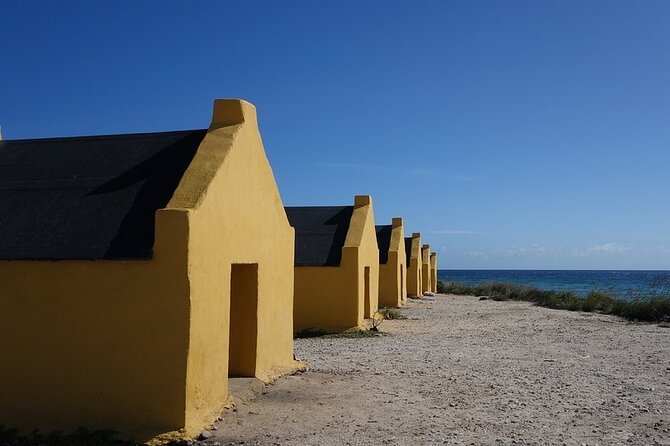
Now you reach the south side—the part many people come for when they want more than wildlife photos.
First is Pekelmeer, described as the salt pyramid area. The idea is simple and striking: you get a distinctive line of white salt pyramid shapes that greet arriving visitors, with the area often referred to as Salt flats.
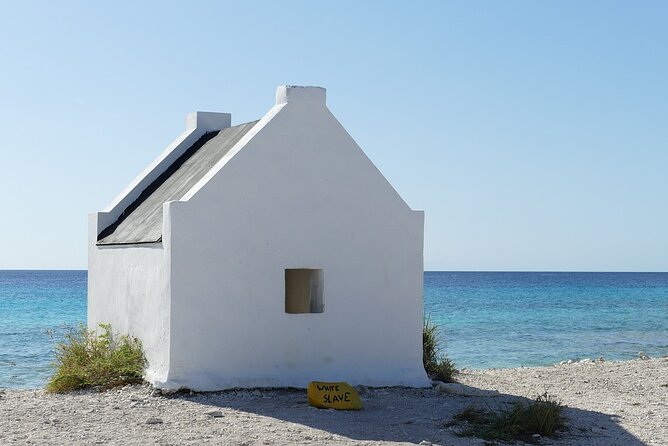
Then comes White Pan and the slave huts. This is a short but important stop. You’ll see remnants connected to the labor system that powered salt harvesting. The tour focuses on the fact that enslaved workers were employed in the salt pans and plantations, and it points out that slavery ended in 1863 in the Antilles.
For me, this stop adds weight to the salt-flat photos. Without the context, the pink water and white crystals can look like pure scenery. With the context, you understand why the salt was such a big deal—and why the island’s history includes painful chapters, not just postcard views.
Sorobon Beach: a quick coastal taste before the return
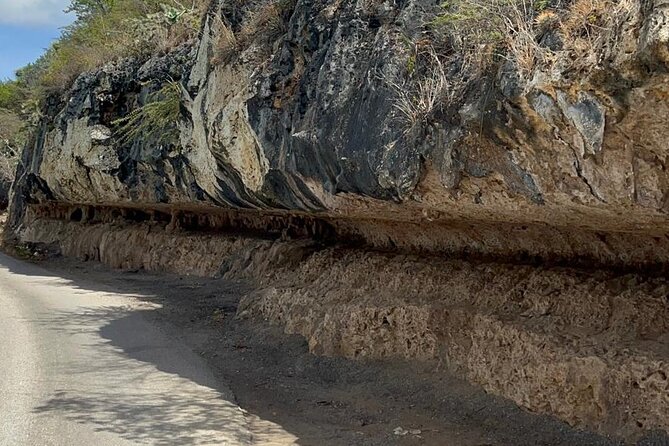
Your tour closes with a quick stop at Sorobon Beach. It’s brief by design, so think of it as a final look at the coast and an optional chance to stretch your legs before heading back to the port.
If you’re hoping for a long beach hangout, this isn’t that tour. It’s a drive-and-stop sampler. The advantage is that you get back in time with enough energy left to decide how you want to spend your remaining hours after the tour ends.
Tour pace, timing, and why the van size matters
This is a 3-hour experience, and that time gets spent on two things: covering distance and keeping enough stop time for the highlights. In practice, that means some stops are very short, including 1,000 Steps (about 5 minutes) and the salt-hut stop (also listed as about 5 minutes).
That’s why the biggest practical question isn’t whether you’ll see the sights. You will. It’s whether you can enjoy them in quick hits.
Vehicle comfort is the other big variable. The tour notes you’ll travel in an air-conditioned or open-air vehicle depending on the season. In day-to-day experience, reviews include everything from comfortable AC vans to reports of crowding, tight seating, and occasional AC problems. Some small-vehicle comments also mention that people in back seats have a harder time with air flow and photo angles.
My advice: if you’re sensitive to heat or you don’t like cramped seating, come prepared to tolerate a busier ride on cruise days. The upside is that the tour is short enough that you’re not stuck forever.
The guide quality is the real reason this works
The standout theme across guide experiences is that the person behind the wheel often turns a short route into something memorable.
For example, guides like Eugene, Peter, Vanessa, Martijn (and even Matin and Chela on different days) are described as friendly, local, and strong at answering questions. When a guide knows Bonaire the way a local does, the drive stops feeling like just transportation. It turns into a guided story, with “why this place matters” woven into every turn.
That’s also why the best strategy is simple: ask questions while you’re moving. You can’t control how close flamingos will be, but you can control how much context you get—and a great guide makes the whole day feel more complete.
Should you book this North and South Bonaire tour?
Book it if you want the big highlights in a single shore day: 1,000 Steps turtle area, Goto Lake flamingo watching, Rincon’s history, salt flats, and the slave hut context at White Pan. It’s especially good if you’re new to Bonaire and want a quick map of what’s where.
Skip it or reconsider if you hate tight timing. Some stops are listed as just minutes, and flamingo sightings vary in closeness. Also, if you’re very particular about vehicle comfort, be aware that group size and seating tightness can change your experience.
If you go in with the right mindset—quick photos, quiet flamingo watching, and active listening—you’ll get real value from the price and the route.
FAQ
How long is the North and South Bonaire shore excursion?
It’s approximately 3 hours.
What’s the price per person?
The price is $45.00 per person.
Does the tour include pickup and drop-off at the cruise port?
Yes. Cruise port pickup and drop-off are included.
What’s included in the tour price?
Bottled water and a driver/guide are included.
Is there food or drinks included?
No. Food and drinks are not included.
Do I get a ticket on my phone?
Yes. A mobile ticket is offered.
Will I visit a cactus distillery?
You’ll visit either Cadushy Distillery or the Chich’i Tan museum, depending on what’s arranged with the guests for that day. The distillery stop includes cactus liqueur tasting.
How long are the stops at places like 1,000 Steps and White Pan?
The schedule lists about 5 minutes at 1,000 Steps and about 5 minutes at the slave huts at White Pan.
Is flamingo viewing guaranteed up close?
No. Flamingos are wild animals, and sightings can range from close to farther away. The tour advises staying silent when you’re near them.
What if I need to cancel?
Free cancellation is available up to 24 hours in advance for a full refund.