REVIEW · KWAZULU NATAL
Shore Excursion Richards Bay Big 5 Safari Experience
Book on Viator →Operated by The Little Bush Baby Company · Bookable on Viator
Rhinos survive here, and so can your luck. A day on this Big Five safari from Richards Bay sends you to Hluhluwe-iMfolozi Park, where rhinos were saved from the edge in the 1960s and where you’re also in the running for wild dogs, cheetahs, and all the smaller bush characters that make sightings feel real.
I love the way the guide turns wildlife spotting into a lesson: Ashley (and also Bonginkosi) have been singled out for sharp eyes and for asking you questions as you watch, then filling in the facts you need. I also love the value side—small group size (max 7), a closed SUV ride, and a full day’s worth of food and drinks. The main drawback to keep in mind is the reality of safari: sightings are not guaranteed, so rain or low animal activity can limit what you see.
In This Review
- Key things to know before you go
- From Richards Bay to Hluhluwe-iMfolozi: the ride that starts the safari
- Why Hluhluwe-iMfolozi is a wildlife must
- Ashley, Bonginkosi, and the skill of spotting at distance
- Your day’s rhythm: breakfast, snacks, and a real picnic lunch
- The itinerary in action: how the park side changes with recent sightings
- What you might see: Big Five targets plus wild dogs and cheetahs
- Rain, limited sightings, and why the guide still matters
- Comfort and group size: what “max 7” really changes
- Is $283.29 good value for this Big 5 day trip?
- Who should book this safari from Richards Bay?
- Should you book this Big 5 safari?
- FAQ
- What time does the safari start?
- How long is the safari experience?
- Is pickup available from Richards Bay or the cruise port?
- What’s included in the price?
- Are wildlife sightings guaranteed?
- What is the cancellation policy?
Key things to know before you go
- Oldest proclaimed park in Southern Africa with a rhino recovery story from the 1960s
- Small group cap of 7 in a closed SUV, which makes spotting and listening easier
- Park side is chosen by fresh sightings (you may go to iMfolozi or Hluhluwe depending on where the action is)
- Guides Ashley and Bonginkosi are highlighted for spotting animals at distance and teaching as you go
- Meals and drinks are included (breakfast rusks, snacks, lunch with meat, salad and bread, plus bottled water)
From Richards Bay to Hluhluwe-iMfolozi: the ride that starts the safari
This is a true day trip. The start time is 8:00 am, and you’ll spend roughly 8 to 10 hours out in the park area, working your way from Richards Bay into Hluhluwe-iMfolozi. If you’re arriving by cruise, pickup from the port is part of the plan, and the drive to the reserve is often described as about 1.5 hours—long enough to settle in, short enough that you still feel like you’re getting a full day of wildlife time.
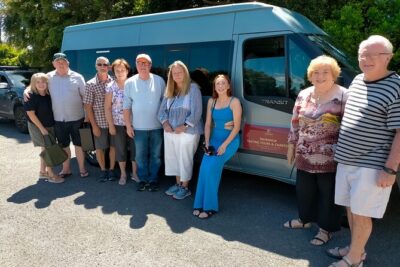
You’ll ride in a closed SUV, which matters more than you might think. In hot or dusty conditions, being sheltered helps you focus on scanning the bush instead of constantly adjusting gear. The small group size (up to 7) also keeps things calm. You’re not elbowing past strangers, and it’s easier for the guide to manage where you look.
You’ll also have practical support: pickup is offered, and you use a mobile ticket. That combination helps the morning run smoothly so you’re not stressed before you even reach the park gates.
A few more KwaZulu Natal tours and experiences worth a look
Why Hluhluwe-iMfolozi is a wildlife must
Hluhluwe-iMfolozi is famous for one reason you’ll hear again and again—rhinos were saved from extinction here during the 1960s. That kind of history gives the whole safari a different tone. You’re not just chasing a checklist. You’re visiting a conservation success story that shaped wildlife recovery across the region.
The park is also among the oldest proclaimed in Southern Africa. That age matters because it reflects how long the area has been managed for wildlife and ecosystems. You’ll be guided through why the place is important as a wildlife biome, not just where to park and wait.
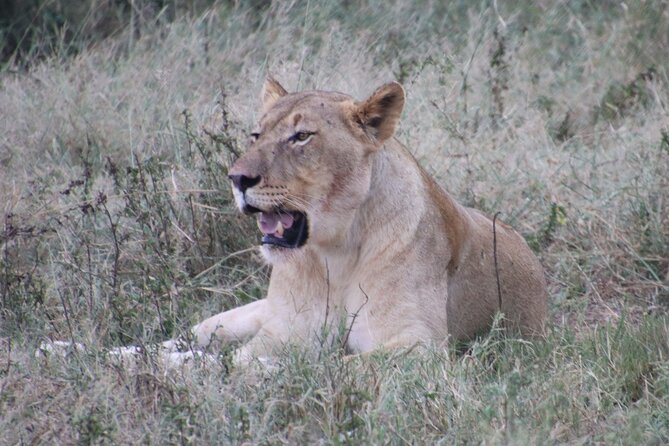
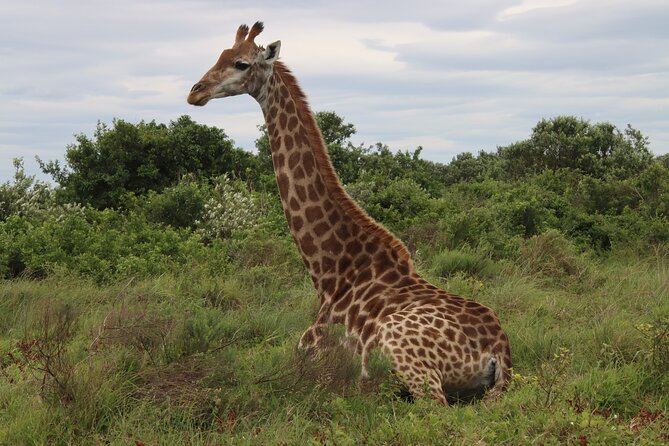
And yes, this outing targets the Big Five plus more. The big names are part of the pitch, but the extra animals are what often make the day feel special. You’re also looking for endangered painted (wild) dogs, cheetahs, plus plenty of other species you might not expect to spot on a first safari day.
One more thing: the program is designed for completely wild animals, which means the park behaves like the real world—full of surprises, patterns, and long pauses.
Ashley, Bonginkosi, and the skill of spotting at distance
A good safari guide does two jobs at once: find animals, and help you see what you’re looking at. This experience leans hard into the second part. In past days, guides such as Ashley and Bonginkosi have been praised for picking out wildlife even when it’s far away, and for turning sightings into a learning moment.
What stands out in the way people describe the day is the guide’s approach. You’re not just staring out a window. You may get quizzed on what you think you’re seeing, then guided into the real identification—facts about animals and often about the plants and land features that help explain where wildlife is likely to be.
That’s valuable for you if you’re a first-timer, because it saves you from the most common safari mistake: getting excited, then not understanding what you actually saw. It’s also valuable if you’ve been before, because it keeps your eyes working past the obvious.
Beyond animals, the guide’s focus can include tracks, markings, and the area’s history, which adds meaning to the stops and makes the bush feel less random.
Your day’s rhythm: breakfast, snacks, and a real picnic lunch
A full-day safari only works if you’re not running low on energy. Here, the program builds in food early and keeps it moving. You’ll have breakfast with hot drinks and rusks before or during the early part of the day. Then you’ll be set up with a snack pack and bottled water (two bottles per person). Lunch is a proper picnic-style spread: a meat selection, salad selection, fresh bread, and soft drinks.
That matters for two reasons. First, it keeps the day practical when you’re spending hours scanning for wildlife. Second, it helps you enjoy the long middle chunk without constantly worrying about finding a shop or paying extra for basic meals.
In rainy or slower wildlife conditions, this kind of planned comfort can make a big difference. You stay focused on what’s happening, not on how hungry or restless you’re getting.
If you have dietary needs, it’s smart to plan ahead, but the tour details list what’s included. The safest move is to contact the provider during booking if you need specific accommodations. The data you provided doesn’t list vegetarian options or substitutions, so don’t assume.
The itinerary in action: how the park side changes with recent sightings
The itinerary is built around one main safari session: a drive through the wilderness area at Hluhluwe-iMfolozi Park. Here’s the key detail that affects your odds: recent wildlife sightings decide which side you explore—either iMfolozi or Hluhluwe.
That flexibility is not just a cute detail. It’s a strategy. Animal movement and feeding patterns aren’t uniform across the whole park. By shifting sides based on what’s been reported recently, the guide can spend more time in the places where animals are more likely to show themselves during your visit window.
The trade-off is that you don’t control it. If you’re hoping for one specific area, you can’t lock in the route. But from a wildlife-success standpoint, responding to real-time information usually beats following a fixed script.
During the drive, you’re not only looking for Big Five animals. You’re also getting time for smaller wildlife and the bush details that often lead to unexpected highlights. That’s where a quiz-and-facts style guide can really pay off.
A few more KwaZulu Natal tours and experiences worth a look
What you might see: Big Five targets plus wild dogs and cheetahs
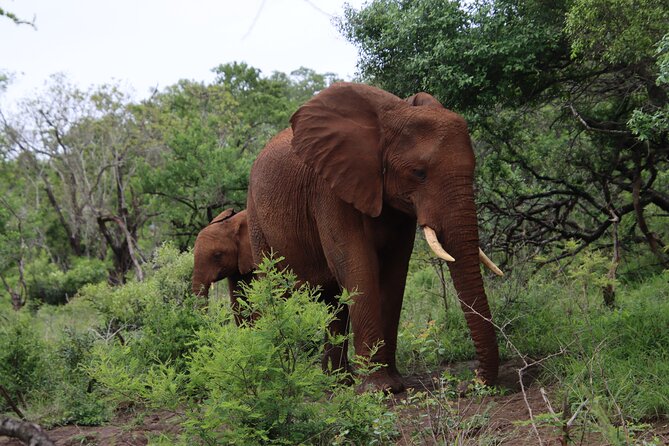
This outing is marketed around the Big Five, and it also includes targets that add variety—especially painted (wild) dogs and cheetahs. Wild dogs are endangered, and they’re also famous for how different they look and move compared to many other savanna carnivores. Even if you don’t get that top-category moment, you’re likely to see other predators, grazers, birds, and the small bush signals that tell you where bigger animals may be.
The important reality check is right in the program framing: sightings are not guaranteed because the animals are wild and behavior changes day to day. That means you should go with the right mindset. Think of this as a guided search with the best possible use of time, not a promise of a specific photo.
In practical terms, if you’re the kind of traveler who gets upset when a safari doesn’t deliver a guaranteed list, this tour may feel stressful. If you’re the kind of traveler who enjoys the chase—learning, spotting, waiting, and then celebrating what appears—this day trip can be exactly your kind of adventure.
Rain, limited sightings, and why the guide still matters
Safari days do not always cooperate. Past experiences included rainy weather, and rain can reduce visibility and animal activity. When you can’t see as far or the bush is harder to read, the hunt can get tougher.
This is where the guide skill shows. Even in rough weather, guides like Ashley have been described as working hard to keep the day productive and still producing multiple wildlife moments. That doesn’t erase the weather impact, but it does change what you do with it.
So if you’re deciding whether to book, don’t assume you’ll get perfect conditions. Instead, look for a tour where the day is built around learning and active searching, not just a long drive with no plan. This one is structured to keep moving through habitat and to respond based on what’s being seen in the park.
Pack for variable weather if your travel season is prone to rain—at minimum, bring a light waterproof layer. The tour includes food and water, but it can’t control clouds.
Comfort and group size: what “max 7” really changes
A max group size of 7 sounds small in numbers, but it changes the vibe. In many safari setups, you’re squeezed into a large vehicle and people shout directions at each other. Here, the smaller group makes it easier for everyone to see past the front seat, and for the guide to get you into the right viewing positions.
The closed SUV also adds a sense of focus. You’re physically sheltered, so you’re more likely to stay engaged for the full 8 to 10 hours. That matters because the best sightings often take time. Sometimes you watch longer than you expect.
Food and drinks included also reduce friction. You don’t have to plan a separate meal stop. That keeps the day moving, and you spend your time on the ground where wildlife might actually be, not on logistics.
Is $283.29 good value for this Big 5 day trip?
At $283.29 per person, you’re paying for a full guided day, transportation from Richards Bay, park admission, and a bundled meal plan. The list of included items is the part that makes the price easier to stomach:
- Admission ticket included for the park
- Breakfast with hot drinks and rusks
- Snack pack and bottled water (two bottles per person)
- Lunch with meat selection, salad selection, fresh bread
- Soft drinks with lunch
In other words, you’re not just buying a seat on a vehicle. You’re buying time in the reserve with a guide who helps you identify what you see. If you value learning and you want someone actively scanning for wildlife instead of you just driving around hoping for luck, this is where the money tends to make sense.
If you’re traveling in a group where you might otherwise hire a vehicle and guide separately, bundling usually comes out better. If you’re the type who needs frequent restroom stops or a very short day, this 8 to 10 hour format may not match your style, and you may be better off with a shorter option.
Who should book this safari from Richards Bay?
This tour fits best if you want a guided wildlife day without complicated planning. Because pickup is offered and the day is long enough to feel substantial, it works well for cruise day visitors too.
It also fits if you enjoy education on the go. People highlight guides like Ashley for teaching with facts, and for the habit of asking you what you’re seeing. That turns the safari into more than sightseeing.
Most travelers can participate, and the group is small, so the day can feel manageable. Still, plan for a long outing. If you’re dealing with mobility limits or you hate sitting for hours, take that seriously and consider whether another format would suit you better.
Should you book this Big 5 safari?
Book this tour if you want: a full safari day around Hluhluwe-iMfolozi, a guide who helps you spot and identify wildlife (names like Ashley and Bonginkosi have been highlighted), and a bundled day plan with breakfast, snacks, water, and a real lunch.
Skip it if you need guaranteed sightings, or if weather and waiting stresses you out. This is a search in the real bush, not a show with guaranteed acts.
If you’re flexible, curious, and ready to enjoy the chase, you’ll likely come away with stories that feel more like you experienced the park rather than just passed through it.
FAQ
What time does the safari start?
The start time is 8:00 am.
How long is the safari experience?
The duration is about 8 to 10 hours.
Is pickup available from Richards Bay or the cruise port?
Pickup is offered, including cruise port pickup as part of the experience.
What’s included in the price?
Admission to Hluhluwe-iMfolozi Park is included, along with breakfast (hot drinks and rusks), a snack pack, bottled water (2 bottles per person), and lunch (meat selection, salad selection, fresh bread, plus soft drinks).
Are wildlife sightings guaranteed?
No. The experience searches for completely wild animals, so sightings are not guaranteed.
What is the cancellation policy?
You can cancel for a full refund up to 24 hours in advance of the experience’s start time (local time). Cancellation less than 24 hours before the start time is not refunded.