REVIEW · GHANA
Takoradi Shore Excursion
Book on Viator →Operated by Blastours Ghana · Bookable on Viator
Ghana’s coast packs a lot into one day. This Takoradi shore excursion balances history, nature, and local daily life in about 8 hours. You start with pickup and a Takoradi market stop, then head to Kakum National Park for forest trails or the famous canopy walkway.
I like how the day mixes big themes without turning into a lecture. You get a walk in Kakum’s forest, time at a traditional oil palm and rubber plantation, and a drive-by of Cape Coast Castle, a UNESCO World Heritage site. One thing to consider: Kakum and the walkway involve walking, so plan for moderate physical fitness and good footwear.
The overall feel is well organized and guide-led. Guides such as Felix and Patrick are praised for history and culture context, while Tony and Michael are highlighted for staying on schedule. If your cruise day runs tight, this timing-focused approach matters.
In This Review
- Key highlights you’ll remember
- A cruise-day plan from Takoradi: 8:00am pickup and a full 8 hours
- Market Circle in Takoradi: where coastal life shows up fast
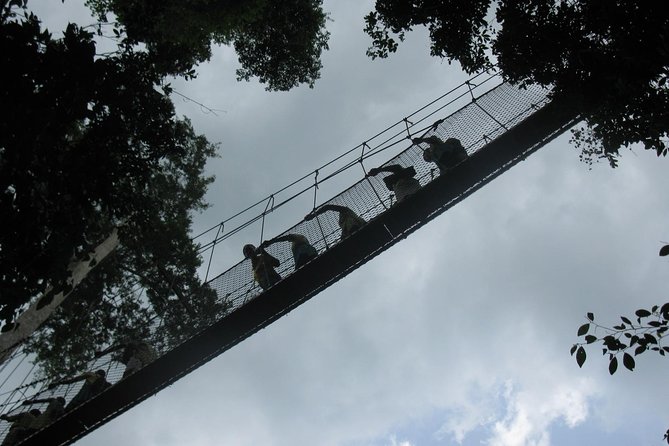
- Kakum National Park and the canopy walkway: forest trails plus long views
- Oil palm and rubber plantations: seeing how everyday goods get made
- Cape Coast Castle pass-by: UNESCO context on a shore-day schedule
- Traditional meals and a real break at a decent restaurant
- Guides and transport details that actually affect your day
- Price and value: what $300.18 per person really buys you
- Who should book this Takoradi shore excursion
- FAQ
- What time does the Takoradi shore excursion start?
- How long is the tour?
- What does the tour cost per person?
- Is pickup included?
- Is this tour private?
- Where do you go during the day?
- What can you do at Kakum National Park?
- Does the weather affect the tour?
- What’s the physical fitness level needed?
- What’s the cancellation window for a refund?
- Should you book this Takoradi shore excursion?
Key highlights you’ll remember
- Kakum National Park options: forest trails or the long canopy walkway in West Africa
- History focus with a coast twist: slavery history context plus a UNESCO Cape Coast Castle pass-by
- Local production in real settings: traditional oil palm and rubber plantation stop
- Private tour, just your group: no sharing with strangers
- On-time, schedule-driven guides: praised for smooth cruise-day pacing
- Comfort added for the day: an A/C van with WiFi is reported by at least one group
A cruise-day plan from Takoradi: 8:00am pickup and a full 8 hours
This is built for a port schedule. Start time is 8:00am, and the day runs about 8 hours total, which is long enough to feel like you left the dock behind but short enough to stay cruise-friendly.
You’ll be picked up, and the tour is private—only your group participates. That matters because it lets your guide set the pace for you, rather than herding everyone at once. One group specifically noted prompt pickup right by where their cruise docked, with Felix showing up with a sign that matched their name.
You’ll also see why people care about timing on shore days. Several guides were praised for being on-time and keeping the day tight, like Tony and driver Michael. If you tend to get stressed by switching plans at the last minute, this kind of schedule discipline is a relief.
A practical note: the day depends on weather. Kakum and forest walking don’t love rain, so if weather is poor, you may be offered another date or a full refund.
A few more Ghana tours and experiences worth a look
Market Circle in Takoradi: where coastal life shows up fast
The morning begins with a visit to Market Circle in Takoradi. This is your fast orientation to the coastal rhythm—what people buy, sell, and talk about as they move through the day.
Even if you’re not the type who loves shopping, a market stop is one of the best ways to understand a place quickly. It’s not just goods; it’s people doing business, families checking in, and practical local knowledge on display. You’ll get that feel early, before the scenery and long forest walk take over.
The main “tradeoff” with market time is that it’s usually a taste, not a full wander. With an 8-hour day, you’re not going to do a deep market marathon. If you want long free time for photos and browsing, tell your guide early so they can balance it with Kakum.
Kakum National Park and the canopy walkway: forest trails plus long views

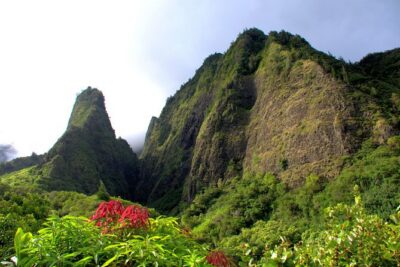
Kakum National Park is the centerpiece, and you get two ways to experience it. You can do forest trail walking, or you can choose the canopy walkway, described as the longest in West Africa.
I like this flexibility because it fits different comfort levels. If you prefer more time on the ground, trails can feel more relaxed. If you want the standout moment, the canopy walkway is the kind of view you’ll remember when you’re back onboard.
One more factor: this is where moderate physical fitness really matters. The day asks you to walk, and even the lighter option still means moving through a forest environment. Bring comfortable shoes you can trust on uneven ground, and expect the pace to be slower than city walking.
Also, Kakum is the part of the day most sensitive to weather. In good conditions, you’ll enjoy the sound and shade of the forest, plus better views from above. In rainier weather, plans can shift, so keep your expectations flexible.
Oil palm and rubber plantations: seeing how everyday goods get made
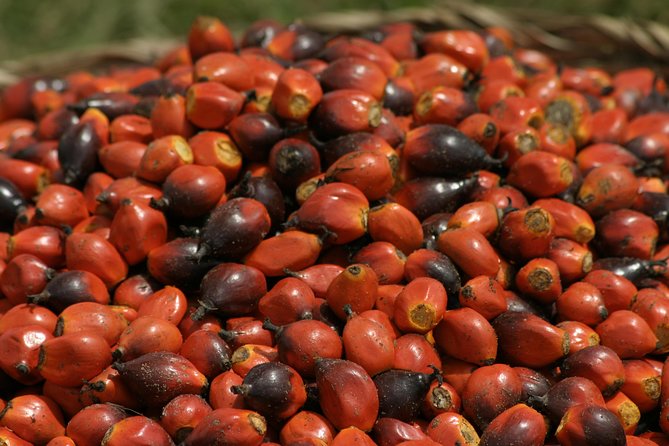
After the park, you head to a stop at a traditional oil palm and rubber plantation. This part shifts the focus from scenery to work—how the region’s people live and earn, right where the crops grow.
This is valuable because it connects what you’ve seen to real production. You’re not just learning about Ghana as an idea; you’re seeing how livelihoods are tied to land and seasons. It also breaks up the day nicely, giving you a different sensory pace after forest walking.
The downside is simple: plantation time is usually more informational than hands-on, since the tour format is about viewing and learning rather than turning into a farm work crew. If you’re hoping for lots of interactive activities, your guide can tell you what’s possible on the day, but this stop is primarily about understanding the process and the local way of life.
Cape Coast Castle pass-by: UNESCO context on a shore-day schedule
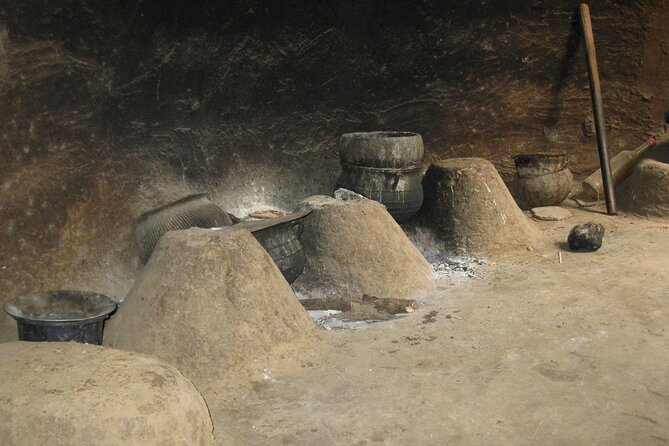
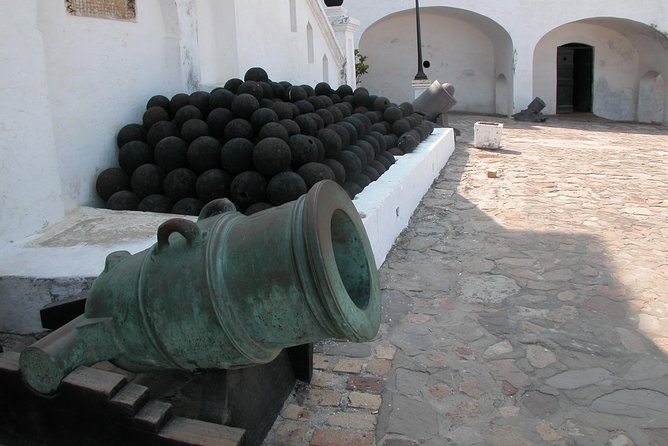
You’ll drive by Cape Coast Castle, which is a UNESCO World Heritage site. Even without going inside for a full visit, the pass-by gives important context for the coast’s historical role.
I appreciate this approach for shore days because it respects your time. It also helps connect the day’s themes: after seeing Takoradi’s coastal life and Kakum’s natural world, you’re reminded that the region’s story includes slavery-era history and the human cost tied to these coastlines.
One thing to know: a drive-by is shorter than an in-depth site visit. If you want to spend hours reading exhibits and walking every gallery, you’ll likely want a dedicated land stay or a longer visit day. But for a single port stop, this gives you enough grounding to make later reading and exploration feel more personal.
Traditional meals and a real break at a decent restaurant
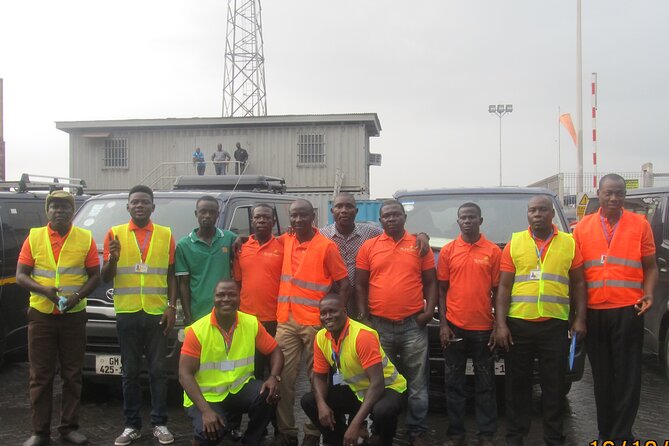
By the time you reach the meal stop, you’ll be glad the day includes food rather than treating lunch like an afterthought. The tour includes traditional meals at a decent restaurant, which is exactly what a shore excursion should do.
This matters for two reasons. First, a proper lunch keeps energy up for the afternoon portion of the day. Second, a restaurant meal is usually more comfortable and predictable than eating on the fly during a tight schedule.
If you have dietary needs, communicate them in advance if the operator asks. The day includes multiple movement-heavy stops, so you’ll want food that won’t leave you rushing back to the vehicle.
Guides and transport details that actually affect your day
Guide quality is where this tour earns its strong reputation. Names that came up include Felix, Tony, Patrick, Joseph, and Cleve, and the consistent praise is for clarity, passion, and keeping the day on track.
I like that the history and culture framing isn’t treated as a side note. Guides are described as enthusiastic and committed to explaining what you’re seeing—why Takoradi matters, what Kakum looks like and how to experience it, and how the plantation stop connects to local life.
Transport details also came through in the feedback. One group specifically noted an A/C conditioned van with WiFi, which is a practical win on a long day in Ghana. WiFi won’t replace the experience, but it helps you stay sane during transit and share photos without burning your entire battery.
There’s also a story that says something about service culture. One group said they booked the wrong excursion at first and ended up on this one, and the company made amends by refunding the difference when they returned to the ship. That kind of problem-solving matters because shore days are high stakes—you don’t want chaos.
Price and value: what $300.18 per person really buys you
The listed price is $300.18 per person, and the tour is commonly booked about 135 days in advance. That timing suggests people plan this early, likely because cruise and shore schedules can fill up.
So is it worth it? In my view, it can be, mainly because you’re paying for a “whole-day solution,” not just a few hours of sightseeing. You get pickup, a private format (so you’re not squeezed into other groups), and a guide who ties stops together with context—history, nature, and coastal livelihood.
Also, the day’s structure is designed for impact. You visit a market, spend meaningful time in Kakum with a major walking option, learn from a plantation stop, and still fit in the UNESCO connection at Cape Coast Castle. For many cruise passengers, that combo is hard to assemble independently without logistics headaches.
The main value consideration is simple: can your group comfortably handle walking time and forest conditions? If your group wants minimal walking or you’re traveling with limited mobility, the Kakum portion could feel like too much. But if you’re up for moderate movement, the private format and guide-led connections help justify the price.
Who should book this Takoradi shore excursion
This is a good fit if you want one strong day that covers different sides of Ghana. It suits people who like history context but also need nature time and a view of everyday livelihoods.
I’d particularly point this tour to:
- Cruise passengers who want a full but manageable day away from the ship
- Couples or small groups who value a private guide and pacing
- Travelers who enjoy walking in forests and don’t mind a long day schedule
- Anyone interested in slavery history context and coastal heritage, without spending the whole day at a single site
It’s less ideal if your group wants zero walking or expects a slow, unstructured day. The day is active and time-coded, and Kakum requires movement.
FAQ
What time does the Takoradi shore excursion start?
The tour starts at 8:00am.
How long is the tour?
The duration is about 8 hours.
What does the tour cost per person?
The price is $300.18 per person.
Is pickup included?
Yes, pickup is offered.
Is this tour private?
Yes, it’s private, and only your group will participate.
Where do you go during the day?
The day includes Market Circle in Takoradi, Kakum National Park, a stop at a traditional oil palm and rubber plantation, traditional meals at a restaurant, and a drive by Cape Coast Castle.
What can you do at Kakum National Park?
You can do forest trail walking or walk the canopy walkway (described as the longest in West Africa).
Does the weather affect the tour?
Yes. The experience requires good weather; if it’s canceled due to poor weather, you’ll be offered a different date or a full refund.
What’s the physical fitness level needed?
You should have a moderate physical fitness level.
What’s the cancellation window for a refund?
You can cancel for a full refund up to 24 hours before the experience start time. If you cancel less than 24 hours before, the amount paid isn’t refunded.
Should you book this Takoradi shore excursion?
I’d book it if your group wants a well-packed, guide-led day that connects Ghana’s coastline—market life, Kakum’s forest experience, plantation livelihoods, and the UNESCO link at Cape Coast Castle—without dragging you through messy logistics.
Skip it if your top priority is a slow pace or minimal walking, because Kakum involves movement and the day runs close to a full schedule. But for the right kind of traveler, this is the kind of shore day that gives you both meaning and photos, with guides who focus on history and staying on time.