REVIEW · BURNIE
Wings Wildlife Park Burnie Shore Excursion
Book on GetYourGuide →Operated by eGuide · Bookable on GetYourGuide
Kangaroos, koalas, and devils close together. Wings Wildlife Park is one of those Burnie shore excursions that packs a lot of Tasmania wildlife into a tight 3-hour window. I like that it’s built for cruise timing and keeps the day focused on animals, not just transit.
I also love the mix of interactive presentations and safe, hands-on moments with handlers. On top of the animals, the native and exotic gardens give you a slower pace that feels like a real park, not a quick zoo stop. One thing to keep in mind: the included transfer can involve a long drive with limited or no commentary, so bring your own curiosity for the road.
Key Points at a Glance
- Best-fit Burnie timing: Designed to suit cruise passengers arriving into Burnie.
- 100+ species in one visit: From kangaroos to Tasmanian devils, you get variety fast.
- Daily presentations with handlers: Entertainment plus practical animal education.
- Hands-on feeding and interactions: Fun moments with safety guidance from staff.
- Gardens and picnic areas: A calmer break between animal highlights.
- Real conservation work: Breeding programs for endangered species support biodiversity.
In This Review
- Wings Wildlife Park in Burnie: why this works as a shore excursion
- The 3-hour flow: what your visit feels like
- Over 100 species: who you’re likely to see
- Interactive presentations and safe feeding: the best part
- Gardens and picnic areas: where the visit slows down
- Conservation work: what you’re actually supporting
- Price and value: is $92 worth it?
- Getting there from your cruise: Makers Market makes it easier
- Who should book this Wings Wildlife Park excursion
- Should you book Wings Wildlife Park in Burnie?
- FAQ
- How long is the Wings Wildlife Park Burnie shore excursion?
- What does the price include?
- Where do I meet for the tour from the cruise ship?
- What animals can I expect to see?
- Are there animal presentations during the visit?
- Can I interact or feed the animals?
- Is the tour wheelchair accessible?
Wings Wildlife Park in Burnie: why this works as a shore excursion
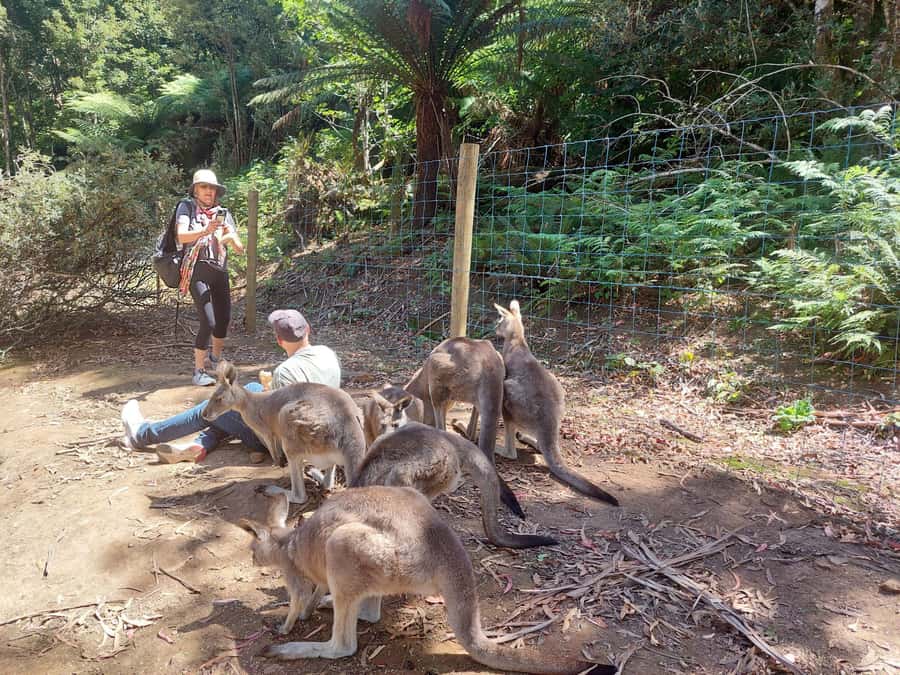
If you only have a few hours in Tasmania, you want your time to count. Wings Wildlife Park is sized for exactly that kind of stop: you can see a lot of animal variety without needing to plan a half-day away from the ship. It also helps that this tour is designed for cruise passengers, so the pacing tends to be realistic for people watching clocks.
What makes it feel different from a generic animal stop is the overall “wildlife park” vibe. You’re not just ticking species off a list. The park includes wildlife presentations, wildlife encounters, and education programs that focus on behavior and habitat, plus the gardens and picnic areas that let you reset after the busiest moments.
The 3-hour flow: what your visit feels like
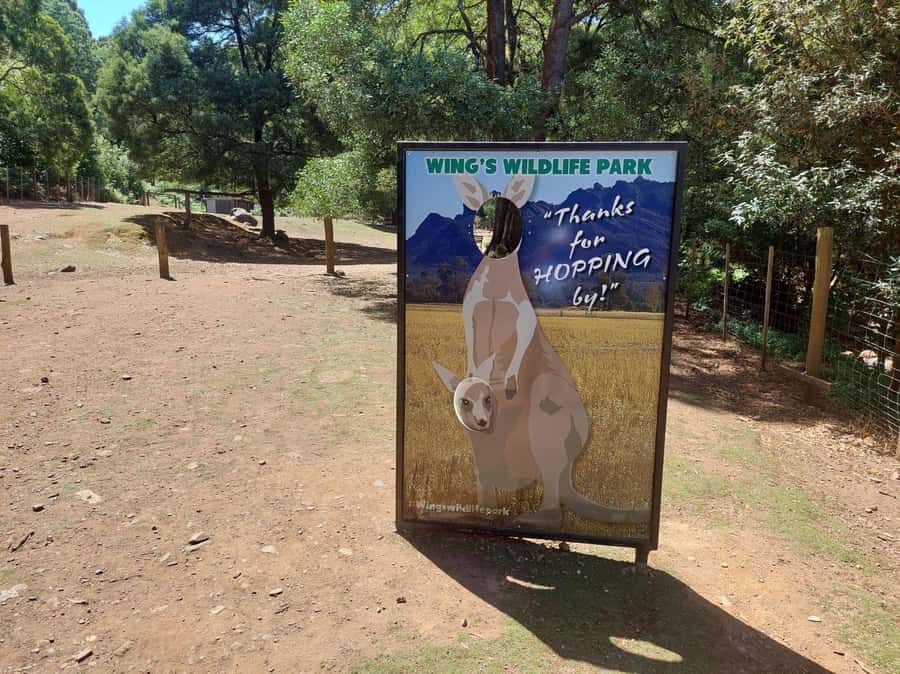
Wings is a park you explore in layers. With a total duration of about three hours, the day is usually structured around a few core pieces: admission, guided or scheduled time with handlers, and time to walk and look at animals on your own.
Here’s how the experience typically lands for visitors:
- You arrive at the park and get settled quickly so you can start with animal programming while animals are most active.
- You move into the daily presentations, where staff explain what you’re seeing and answer questions in plain language.
- You take part in wildlife encounters and hands-on interaction moments where the goal is safe, close-up learning.
- You walk through the gardens and stop at scenic areas for a break, including picnic-style spots if you want to sit and recharge.
Because the time window is short, you’ll want to be ready to move when staff invite you. The best value comes from staying flexible: if a presentation slot or encounter moment is happening, it usually makes more sense to go with it than to chase your own timetable.
A few more Burnie tours and experiences worth a look

Over 100 species: who you’re likely to see
The park’s headline is clear: over 100 animal species, including both native and exotic animals. The big appeal for many people is seeing multiple iconic Tasmanian animals in one stop. Expect to look for animals like kangaroos, Tasmanian devils, wombats, and koalas.
With so many species in a limited time, you’ll get better results by thinking less about a checklist and more about watching behavior. For example:
- Spend a minute or two longer with any animal handler is actively explaining. Staff usually highlight habits or habitat details you might miss at a glance.
- If you see one animal feeding or moving, pause and observe. This is often when you learn the most about how they use their environment.
One review note caught my attention: someone pointed out the park is smaller than expected. That can be a plus. If you’re comfortable moving at a steady pace, a compact layout helps you fit in more animal moments without feeling lost.
Interactive presentations and safe feeding: the best part
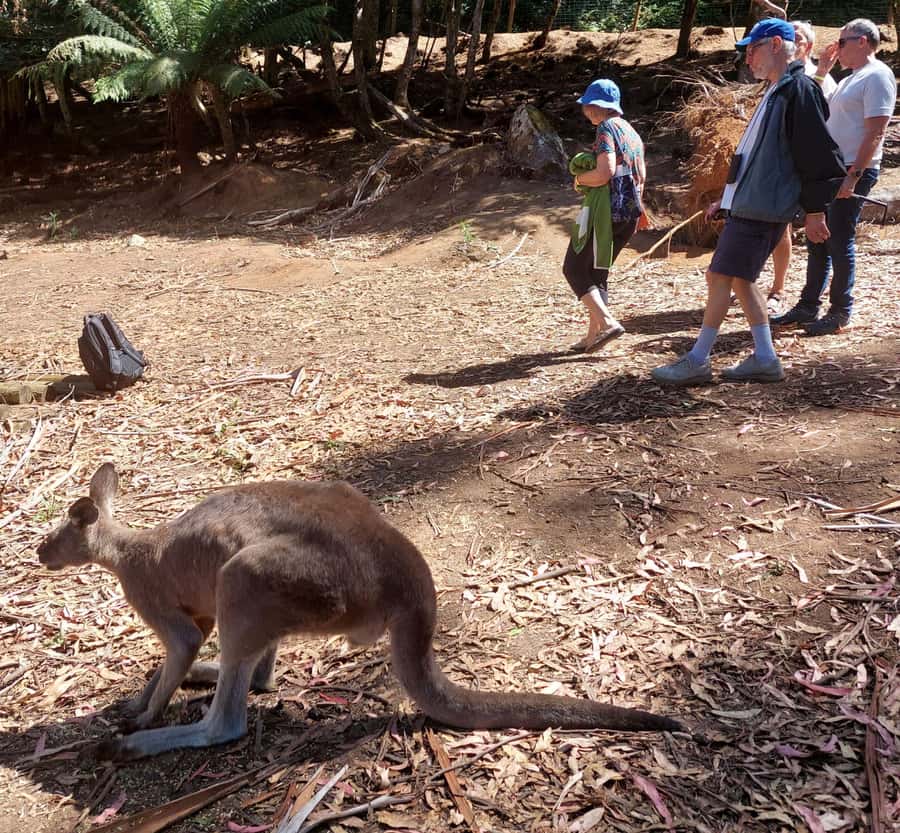
The park leans hard into the “learn by doing” approach, and it’s a big reason this excursion rates well. The format is interactive wildlife presentations, led by handlers who share insights and allow visitors to safely feed and interact with animals.
For you, that means two practical benefits:
- You get context. Instead of seeing animals as random enclosures, you learn why they behave a certain way.
- You get a guided experience. Staff help you stay safe and know what to do in the moment.
Feeding and interaction are the core payoff. Even if you’re not a “petting zoo” person, I’d treat the feeding component as part of the educational value, not just entertainment. The handlers are there to guide you, and the interactions are typically the time when questions make the biggest difference.
A quick note from an actual guide experience shared in feedback: a guide named Mark was praised for being very nice, personable, and well informed, with knowledge that even covered town history for those interested. If your group gets a guide like Mark, you’ll likely enjoy the added human touch and extra explanations.
Gardens and picnic areas: where the visit slows down
Not every wildlife stop gives you a breather. Wings includes beautifully landscaped gardens with both native and exotic plants. For many people, this is where the park stops feeling like a sprint and starts feeling like a place you’d want to return to.
The gardens are more than a photo backdrop. They add comfort and pacing:
- They give your legs a change of scenery after presentations.
- They offer calmer viewing spaces where you can sit, watch, and reset.
- They make the whole visit feel more grounded in Tasmania’s natural environment.
If you want a place to eat, the park has picnic areas within the setting. That’s helpful for cruise-day visitors because it gives you an easy “hold steady” option if you’re waiting for your next animal encounter.
Conservation work: what you’re actually supporting
It’s easy to say a wildlife park supports conservation. What matters is whether the message connects to actions. Wings focuses on conservation education and includes breeding programs for endangered species, which helps preserve parts of Australia’s unique biodiversity.
Here’s what that means in practical terms for you:
- Your visit supports breeding and conservation efforts, not just viewing.
- The educational programs and school-group focus suggest the park is doing more than selling tickets.
- When handlers explain habitats and animal behavior, it fits the conservation message because it’s about protecting what animals need to survive.
Even if you’re visiting for the animals (and honestly, you are), this conservation layer makes the experience feel more purposeful. You’re not just collecting memories; you’re supporting the work that helps keep the ecosystem and species alive.
A few more Burnie tours and experiences worth a look
Price and value: is $92 worth it?
At $92 per person for a 3-hour tour, you’re paying for more than a basic entry ticket. Admission is included, so that removes one common “gotcha” where the main cost is just access. You’re also paying for the park’s programming: presentations, wildlife encounters, and handler-led education.
Is it expensive? It can feel that way until you break it down:
- You get a short, structured day that’s designed for cruise schedules, which often means less wasted time.
- You’re not paying separately for the key moments; they’re part of the experience you enter.
- You’re supported by staff who help make the interactions possible and safe.
For animal lovers with limited shore time, this is the kind of pricing that can make sense because the “value” is about density of experience per hour. If you want a slow, do-everything-at-your-own-pace day, you might prefer a longer standalone visit. But for a cruise stop, Wings is positioned to deliver a lot for your time and your money.
Getting there from your cruise: Makers Market makes it easier
This tour has a simple plan for cruise passengers. You meet at the Burnie Attractions Desk in Makers Market. That’s where you get off the shuttle bus that brings you from your cruise ship.
The small logistics matter more than people think. If you’re doing a shore day, the biggest stress comes from finding the right pickup point and making it back before the ship leaves. Meeting at a known cruise-friendly location like Makers Market reduces that worry.
One more practical tip based on what’s been shared: the drive to the park can be long and may not include much commentary. If you want context about the countryside or local history, consider bringing something to read on your phone ahead of time, or plan to ask your guide questions after you arrive.
Who should book this Wings Wildlife Park excursion

This excursion fits best if you:
- Want to see multiple Tasmanian animals in one short visit.
- Like interactive, handler-led experiences and safe feeding moments.
- Travel with kids or anyone who learns best by doing.
- Prefer structured timing that suits cruise stops.
You might think twice if you:
- Get restless when there’s a long transit without much spoken explanation.
- Want a long, slow, self-guided walk through every enclosure. With three hours, you’ll be choosing what matters most.
- Are expecting a huge, sprawling park. One review noted the park is smaller, which can be a positive for time efficiency but may not match the idea of a giant wildlife estate.
Should you book Wings Wildlife Park in Burnie?
Yes, I’d recommend booking if your priority is animal contact plus education in a short cruise day. The strong reasons are the 100+ species focus, the interactive presentations, and the fact that admission is included in the price. The gardens and picnic areas add comfort, so the day doesn’t feel like one nonstop viewing rush.
I’d hesitate only if you know you’ll be unhappy with a transfer that may feel like a commute without much narration. If that’s your situation, you can still make it work by arriving mentally ready for the animal portion of the day.
If you can, choose this when your ship schedule gives you a clean three-hour window. It’s built for that kind of day, and that’s where you’ll get the best payoff.
FAQ
How long is the Wings Wildlife Park Burnie shore excursion?
The tour duration is 3 hours.
What does the price include?
It includes admission charges to Wings Wildlife Park.
Where do I meet for the tour from the cruise ship?
Meet at the Burnie Attractions Desk located in the Makers Market, where you get off the shuttle bus from your cruise ship.
What animals can I expect to see?
You can expect to encounter over 100 animal species, including kangaroos, Tasmanian devils, wombats, and koalas.
Are there animal presentations during the visit?
Yes. Daily presentations are part of the experience, with handlers explaining what you’re seeing.
Can I interact or feed the animals?
The experience includes interactive wildlife presentations where you can safely feed and interact with animals under staff guidance.
Is the tour wheelchair accessible?
Yes, it is listed as wheelchair accessible.