REVIEW · ASHDOD
Ashdod Port Shore Excursion: Masada and the Dead Sea Day Tour from Ashdod Port
Book on Viator →Operated by Bein Harim Ltd · Bookable on Viator
Masada and the Dead Sea in one long day. This shore tour pairs a cable car ride to King Herod’s mountaintop ruins with time for the Dead Sea float, guided by a live interpreter who brings the place to life. I like the built-in pacing (site first, beach second) and the small-group feel, but I’d flag one thing: it can be physically demanding in heat, so plan for sun and steps.
You’ll get round-trip, air-conditioned vehicle transfers from the Port of Ashdod, and the day runs about 8 to 9 hours. With a maximum of 45 people, it’s big enough to run smoothly but small enough that you’ll actually be able to hear your guide without playing phone tag all day.
In This Review
- Key points I’d plan around
- How Masada Feels When You Arrive Above It All
- A practical note about heat and stamina
- Inside Masada National Park: Ruins, Roman Layers, and Herod’s Palace-Fortress
- What the guided format does for you
- The Masada Museum Stop: Artifacts That Turn the Scene Into a Story
- The museum is also a built-in reset
- Ein Bokek Beach and the Dead Sea Float: A Different Kind of Wonder
- How to make the most of your beach time
- Ashdod Port Logistics: Pickup Matters More Than You Think
- Tips that save stress
- Group Size, Shared Tour Flow, and Why That’s a Good Thing
- Door-to-door A/C: the comfort you’ll notice later
- Price and Value: What $120 Covers (and What It Doesn’t)
- Where costs can creep in
- Who Will Enjoy This Most (and Who Might Want Another Plan)
- What to Expect From the Guide (Names You Might Hear)
- What You Should Bring for a Long, Sun-Forward Day
- Should You Book This Ashdod Port Shore Excursion?
Key points I’d plan around
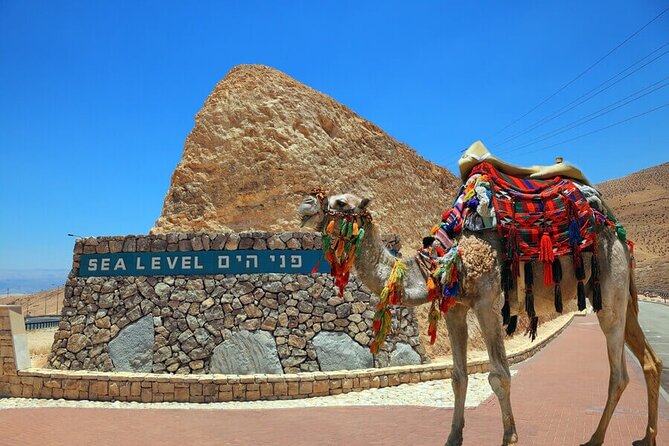
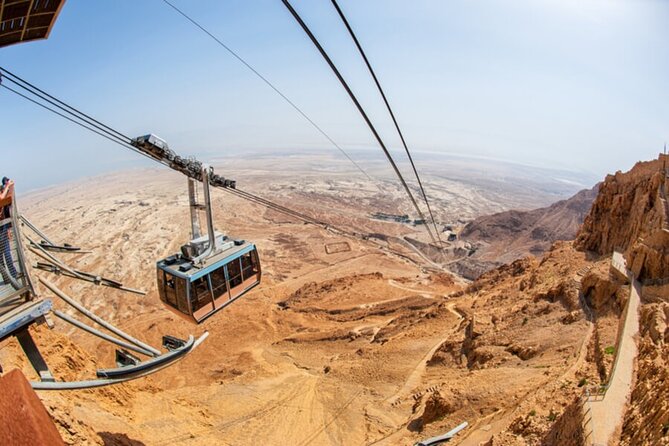
- Cable car up to Masada for big desert and Dead Sea views with less effort than walking.
- Masada Museum time at the foot of the mountain, with artifacts and a short film to connect the ruins.
- Two hours at Ein Bokek Beach for free time on the Dead Sea shore.
- A/C, door-to-port transportation that’s designed for cruise schedules.
- Shared group capped at 45, which helps keep the tour organized without feeling cramped.
How Masada Feels When You Arrive Above It All
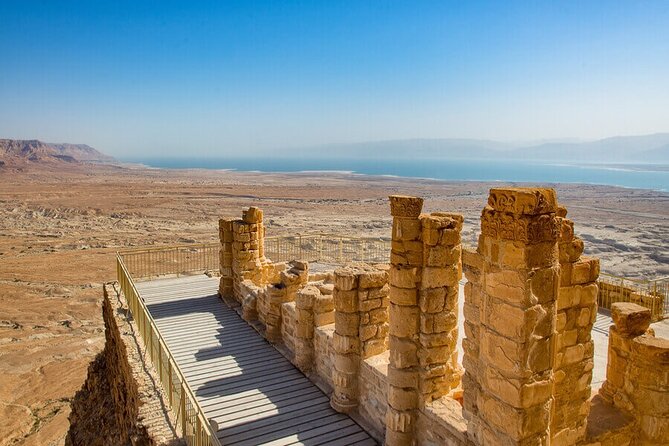
Masada is the kind of place that makes scale real. You start with the climb by cable car up to the summit—434 meters (1,424 feet) above sea level—so you arrive with your breath back and your eyes ready. From the top, the desert drops away fast, and the Dead Sea sits far below like a different world.
What I like here is that the first moments are built for awe, then your guide helps you “read” what you’re seeing. Masada isn’t just ruins in the sun. It was a palace-fortress built by King Herod in the years 37 BC to 31 BC, later tied to Jewish rebels, and your walk around the remaining structures connects those dots.
A few more Ashdod tours and experiences worth a look
A practical note about heat and stamina
This tour isn’t a sit-everywhere day. Even though the cable car does the heavy lifting, Masada still involves walking around uneven areas and being outdoors for stretches. One piece of advice I’d take seriously: bring extra sunscreen and more water than you think you need, especially in warm weather (some groups have reported around 40°C / 105°F conditions).
Inside Masada National Park: Ruins, Roman Layers, and Herod’s Palace-Fortress
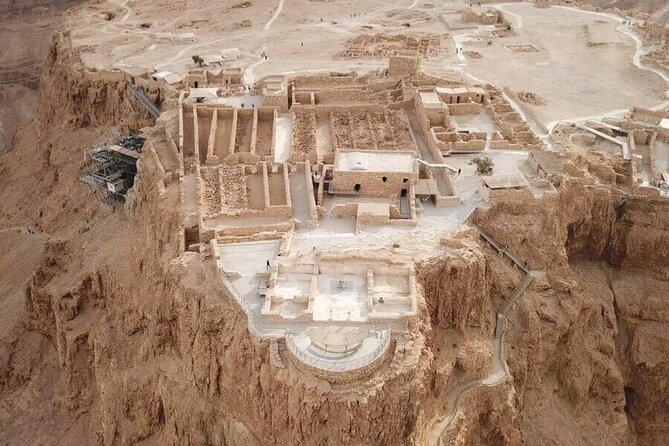
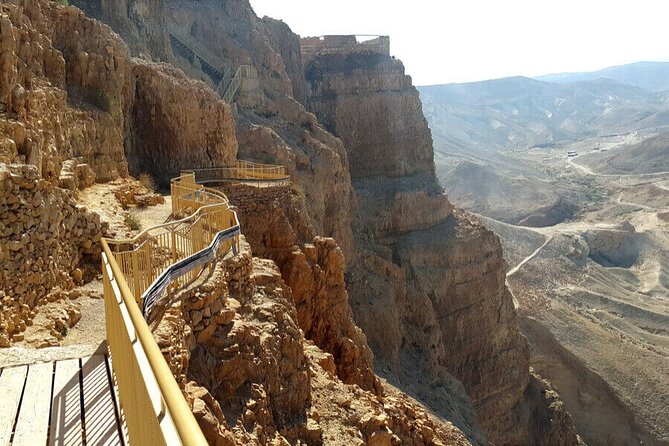
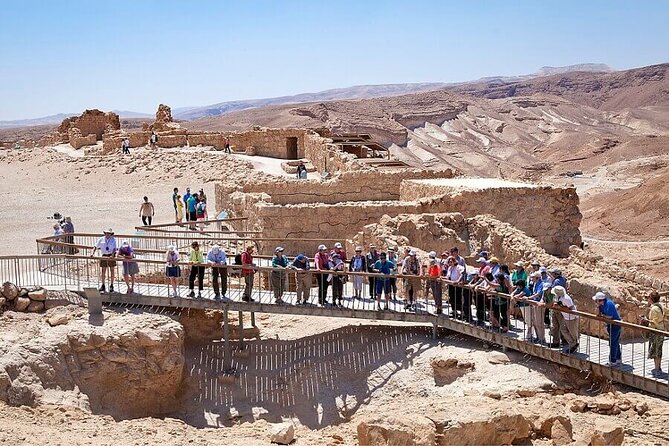
Once you’re on top, your guide shows you what remains from Herod’s complex—palaces, storerooms, guardhouse areas, and more. The experience works best when you treat it like a guided “timeline in stone.” You see how the fortress functioned as a refuge, then how the site later took on different meaning.
The ruins are also layered. One standout detail you may hear about is the presence of a Roman bathhouse area, plus mosaics and archaeological remains. That combination helps you understand why Masada mattered beyond just one king’s plan. It became a stage for different eras, with architecture that reflects the tastes and systems of multiple periods.
What the guided format does for you
A guide matters here because the site is large and visually repetitive if you don’t know what to look for. With interpretation, you start noticing patterns: where spaces were meant for living versus defense, how rooms relate to daily life, and why some structures survived while others didn’t.
The Masada Museum Stop: Artifacts That Turn the Scene Into a Story
At the end of the Masada time, you can visit the Masada Museum located at the foot of the mount. This is a smart add-on because it gives context after you’ve already seen the summit views and the ruins.
The museum holds more than 500 artifacts discovered at Masada, plus an informative movie about the history of the site. Even if you’re not the type to read every label, the combination of artifacts and film helps you lock in the sequence of events—what you saw up on the rock and why it unfolded the way it did.
The museum is also a built-in reset
Think of it as a cooldown option. After time outdoors at elevation, museum time gives you a break from sun glare and heat. It’s also a good place to ask questions without feeling rushed, because the focus shifts from walking to learning.
Ein Bokek Beach and the Dead Sea Float: A Different Kind of Wonder
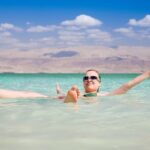
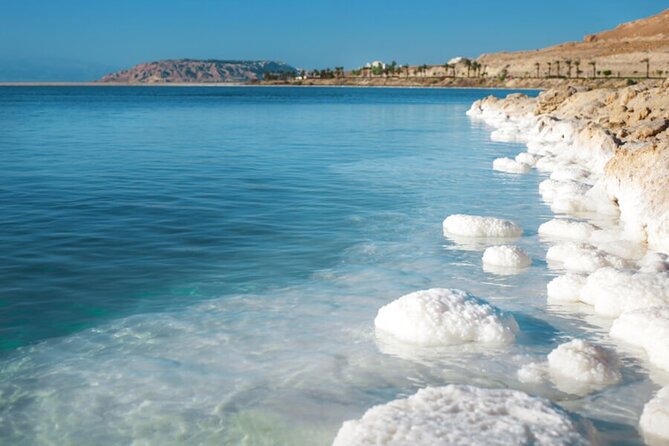
After Masada, you head down to Ein Bokek, a hotel and resort area on the Dead Sea shore. Here you get about two hours of free time at Ein Bokek Beach.
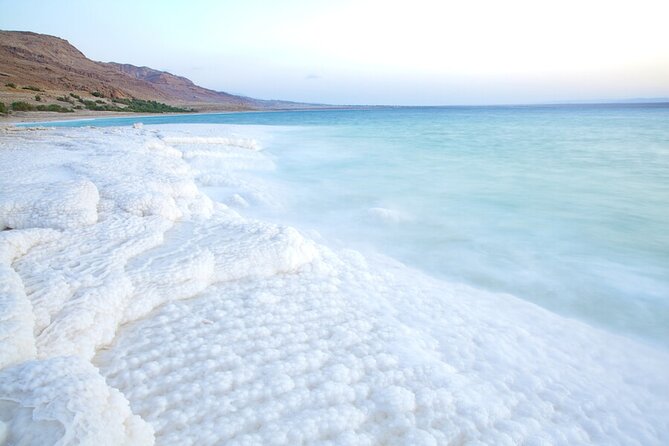
The Dead Sea experience is simple in concept and unforgettable in practice: it’s so salty that floating feels almost effortless. You don’t need special skills—you just need patience and the willingness to get in and let your body do what the water does best. This is the part people talk about because it’s not an observation. It’s a physical experience.
How to make the most of your beach time
Your two hours are your window, so I’d treat it like a mini schedule:
- Get a good spot early so you don’t waste time later.
- If it’s hot, consider shorter rounds in the water rather than trying to do everything at once.
- Plan for how you’ll protect your skin from salt and sun.
Also, remember this is a shore excursion from a cruise port. You’ll have a set return time, so don’t turn your Dead Sea moment into a full-day beach day.
Ashdod Port Logistics: Pickup Matters More Than You Think
This excursion includes pickup and drop-off at the Port of Ashdod, using an air-conditioned vehicle. That’s a big plus for cruise passengers, because you’re not stuck figuring out transport in an unfamiliar area.
Still, mornings at ports can be tricky. There’s often strict security and tight meeting-point rules, and your success depends on showing up exactly where you’re told. One common lesson from cruise-shore days: you don’t want to be “almost there.” If you’re delayed, the tour can’t pause indefinitely—your best move is to arrive early and follow the instructions precisely, including the correct pickup location.
Tips that save stress
- Keep your phone charged for the mobile ticket and messages.
- Have everyone in your group ready at once before you leave the ship area.
- Plan for extra time to pass security and locate your driver.
Group Size, Shared Tour Flow, and Why That’s a Good Thing
You’re traveling with a maximum group of 45 people. In practical terms, that size usually hits a sweet spot: you’re not alone with your guide, but you’re also not stuck in a huge crowd where questions get lost.
It also affects how your day feels:
- You move as one unit between Masada and the Dead Sea.
- Stops stay timed enough to fit into an 8 to 9 hour day.
- You’ll likely hear your guide consistently throughout the key walking segments.
Door-to-door A/C: the comfort you’ll notice later
A long day in the sun can wear you down fast. The air-conditioned vehicle transfers help you recharge between the mountain and the beach. That matters because Masada is outdoors and the Dead Sea area can feel intense in strong sun.
Price and Value: What $120 Covers (and What It Doesn’t)
At $120 per person, this isn’t a bargain-basement shore excursion, but it also isn’t overpriced for what’s included.
Here’s what you’re paying for:
- Guided experience all day
- Cable car included as part of getting up to Masada
- Museum admission
- Round-trip A/C transport from Ashdod cruise port
- Fees and taxes covered in the price
What you don’t get is lunch. That means you’ll need to budget for food on your own.
Where costs can creep in
One detail to plan for: at Masada, there can be a break where buying food is limited to the on-site restaurant option. Some people find that approach convenient, others find it pricey for cafeteria-style food. The takeaway for you is simple—if lunch spending matters, bring snacks you can tolerate in warm weather or plan your purchase calmly.
Who Will Enjoy This Most (and Who Might Want Another Plan)
This tour fits well if you want a high-impact day with two big Israel highlights without the hassle of arranging transport yourself.
You’ll likely love it if:
- You want a guided introduction to Masada and the Dead Sea rather than a self-guided day.
- You’re okay with walking and outdoor time, even if you’re not trying to hike.
- You care about views, history context, and the signature Dead Sea float.
It may not be the best fit if:
- You have mobility issues. The tour isn’t suitable for people with mobility limitations, and Masada areas can be hard to navigate.
- You expect a fully relaxed beach day. The Dead Sea time is free time, but the day stays structured and moving.
What to Expect From the Guide (Names You Might Hear)
The quality of this kind of excursion depends heavily on the person guiding you. In recent feedback, guides named Michael, Benjamin, Ziv, and Ben have been singled out for strong communication and for making the history easier to follow.
A good guide here does two things:
- Explains why the site mattered, not just what’s there.
- Helps you connect Herod’s palace-fortress, Roman-era remnants like the bathhouse area, and later rebellion narratives into one coherent story.
If you end up with a guide who uses humor and clears up questions as you go, Masada can feel less like a school assignment and more like a living scene.
What You Should Bring for a Long, Sun-Forward Day
Even with the cable car and A/C transport, you’re still spending time outdoors. Bring practical items because the day can hit high temperatures.
I’d pack:
- Extra sunscreen (more than you normally use)
- Water (plus some for after you return to the bus)
- Sunglasses and a hat
- A mobile-charging plan for your ticket and messages
If you’re sensitive to heat, plan for it early. Don’t wait until you feel “off.” Warm sun can sneak up fast when you’re looking around for hours.
Should You Book This Ashdod Port Shore Excursion?
If you’re in Ashdod for a single day and want Masada + the Dead Sea without complicated logistics, this is a strong choice. The day has clear payoffs: summit views and ruins first, then the Dead Sea float at Ein Bokek with a timed window to enjoy it.
I’d book it if you’re comfortable with a long, hot outing and you’re ready for some walking on site. I’d skip it if mobility is an issue or if you’re looking for a low-effort, slow-paced experience. For most cruise passengers, though, the combination of cable car access, guided context, and guaranteed Dead Sea time is exactly what makes this tour worth your shore-day slot.