REVIEW · OSAKA
Shore Excursion: Full Day Private Nara Tour from Osaka /Kobe port
Book on Viator →Operated by Japan Experiences and Tours Company · Bookable on Viator
Nara feels like two places at once: temple calm and deer chaos. This private shore excursion is built for cruise timing, so you get an organized morning start, guided temple stops, and time to slow down in Nara Park with friendly sika deer. I especially like the full-day private format with guides such as Kazz, Fumiaki, and Hideki, and I like that key temple entrance fees are handled. One thing to watch: the van or car cost is not fully bundled, and you may need to pay a cash transportation fee to the driver on the day.
Because this is a door-to-door style excursion (port pickup to port drop-off), you spend less time figuring out transit and more time looking at lanterns, pagodas, and the Great Buddha. The itinerary is structured around the biggest hits—Kofuku-ji, Todai-ji, Kasuga Taisha, and Nara Deer Park—while still leaving room for a lunch break and some guide-led adjustments.
In This Review
- Key points before you go
- Why this Nara day is such a smart cruise choice
- Meeting at the port: time math that helps you avoid stress
- Private van vs. public transit: what you’re really paying for
- Nara Deer Park: the fun part, plus how to handle it
- Kofuku-ji Temple: pagoda drama and Fujiwara prestige
- Todai-ji Temple and the Great Buddha: where scale hits you
- Kasuga Taisha Shrine: lantern-lined paths and sacred calm
- Lunch break and pacing: how to keep the day from running you
- Guides make the difference: the human touch in Nara
- Price and logistics: real value plus the cash van fee
- Who should book this Nara private tour
- Should you book it
- FAQ
- FAQ
- What is the meeting time for this Nara tour?
- How long does the tour take?
- Is this tour private?
- What sites do we visit in Nara?
- Are entrance fees included?
- Is transportation included in the price?
- What vehicle fee should we expect?
- What’s the group size limit?
- Do we need any special fitness level?
- Is the tour fully cancelable?
Key points before you go
- Private group up to 12: it’s designed to feel like your own day, not a rushed bus tour.
- Major sites with included entrances: Kofuku-ji, Todai-ji, and Kasuga Taisha costs are included, while Nara Park entry is free.
- Port pickup and return: meeting at Osaka or Kobe port and dropping back before dinner helps keep cruise stress low.
- Guides who tailor the day: people have had guides like Mike and Hideki adjust the plan to match their interests.
- A cash van/car fee may apply: the tour price is per group, but vehicle fees can depend on group size and are paid in cash.
Why this Nara day is such a smart cruise choice
If you’re docked in Osaka or Kobe, getting to Nara can be the hardest part of the day. This excursion removes most of that friction with a scheduled meeting at your port and a driver waiting to take you where you actually want to go. That alone matters, especially when your ship’s departure time is fixed and you can’t afford “we’ll see” planning.
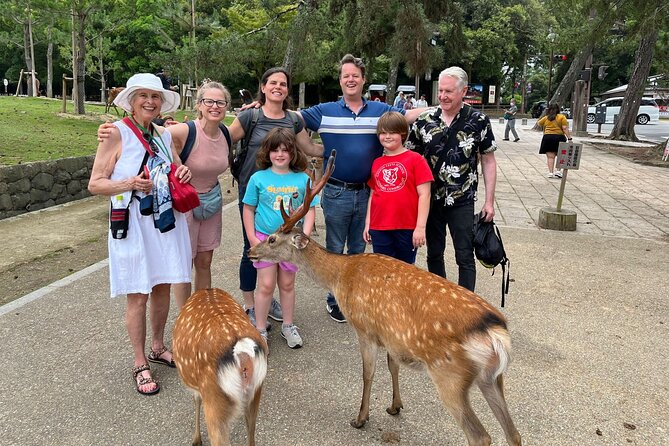
I also like how the tour mixes the two sides of Nara. You start with big temple landmarks, then you hit Nara Deer Park for a sensory break—paper lantern vibes, crowds you can actually walk through, and deer that roam right up to you. It’s a classic Nara combo, but the timing is built to keep it from feeling like a checklist.
Finally, because it’s private, you can set the pace. If your group wants more photos at Todai-ji or extra time around the deer, you’re not stuck with a bus rhythm.
You can also read our reviews of more private tours in Osaka
Meeting at the port: time math that helps you avoid stress
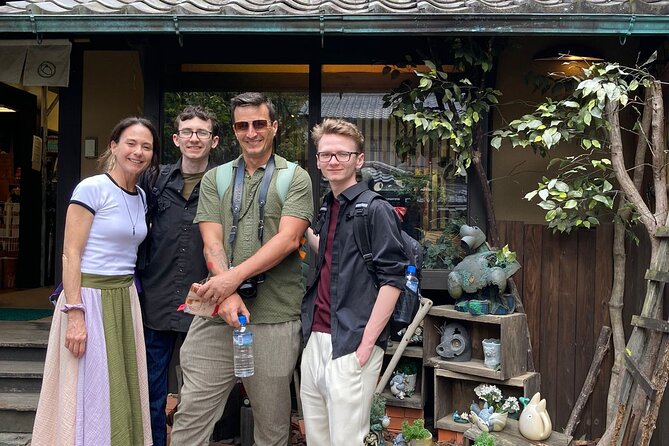
The day is built around a morning port meeting (listed around 08:00 depending on your ship’s dock time). That timing is the practical part: it gives you daylight for temples and enough cushion to return to the port by early evening (around 18:00).
The schedule is also designed for a longer window—about 6 to 10 hours, depending on your pace and how the day is customized. In other words, you’re not only buying destinations. You’re buying the time buffer that makes shore excursions feel manageable.
One more detail that matters for real-life comfort: the tour asks for moderate physical fitness. Most of the walking is outdoors and temple approaches can involve stairs and uneven ground, so you’ll want comfy shoes and a good attitude.
Private van vs. public transit: what you’re really paying for
The headline price is $490 per group (up to 12). On paper, that sounds simple, but the true value is in what’s included: tour management, a guiding presence, and pickup/drop-off coordination.
What’s not bundled is transportation (the vehicle fee). The car or van fee is listed as cash on the day of the tour, with amounts based on group size—up to 5 travelers: ¥120,000 and up to 8 travelers: ¥140,000. A cruise reviewer experience also flagged that the car fee wasn’t obvious until close to departure, and paying it in cash became a last-step reality.
So here’s my practical advice: before you lock it in, confirm the vehicle fee for your exact party size and make sure you have yen set aside for the driver. If you’re traveling with kids, you’ll likely be glad you did—because this setup keeps transfers simple.
Nara Deer Park: the fun part, plus how to handle it
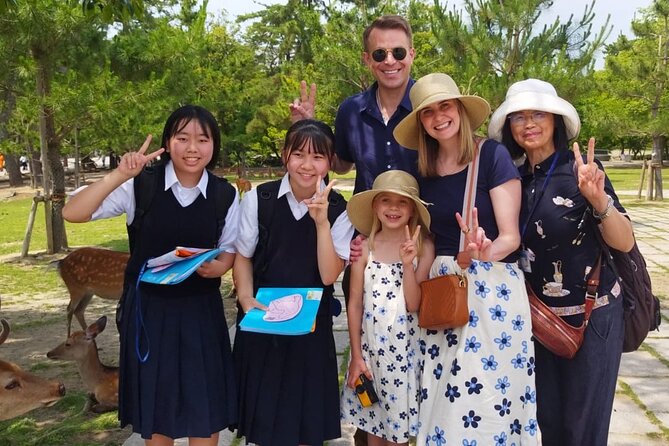
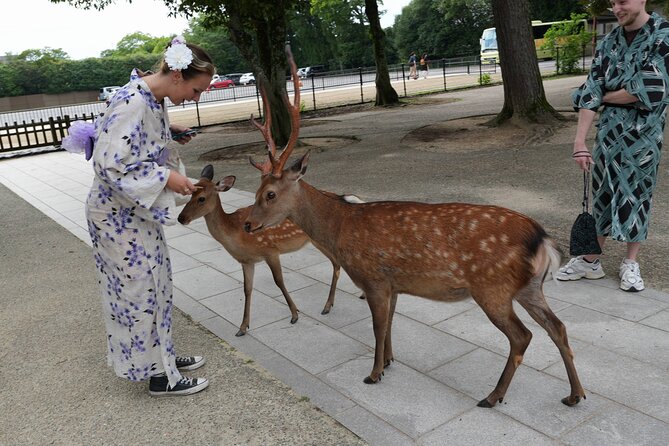
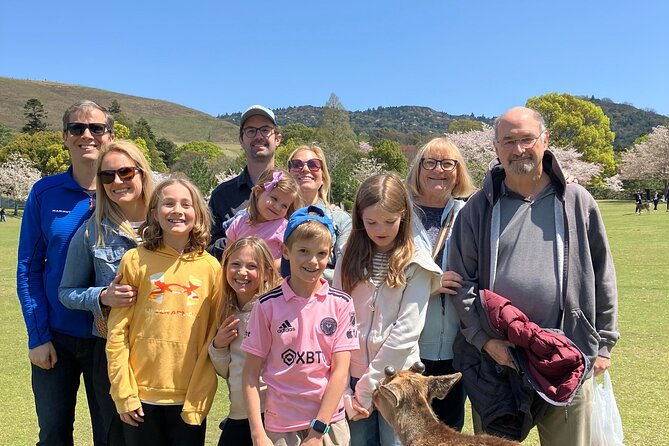
Most people come for the temples, but Nara Park is the memory-maker. You’ll spend about an hour in the park, where hundreds of sika deer roam freely. They’re used to people, and they can approach confidently—especially if you have deer crackers (the tour info notes that this draws them near).
This is where the guide helps. A good local guide knows where to stand, when to move, and how to keep the flow from turning into a photo scramble. The deer can also be surprising if you’re not expecting them to be this close.
My tip: plan your time like this—start by watching calmly for a minute so you get your bearings, then move slowly toward your chosen viewpoints. If you’re with kids, set a simple rule: walk, don’t chase. You’ll enjoy it more, and it keeps everyone safer.
Also, remember this is outdoors. Bring water and expect a bit of walking on paths around the park.
Kofuku-ji Temple: pagoda drama and Fujiwara prestige
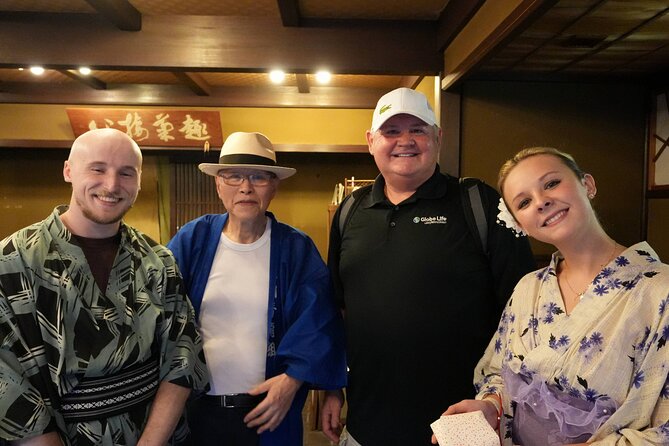
Your first temple stop is Kofuku-ji, with about an hour there. This temple once served as the influential Fujiwara family temple, which matters because it explains why it looks the way it does—powerful, formal, and built to impress.
The standout is the Five-Story Pagoda, noted as one of Japan’s tallest, plus the Eastern Golden Hall. If you like architecture and historical context, you’ll appreciate having a guide because it’s easy to wander and miss the story of why a temple like this became such a symbol of status.
A balanced way to experience Kofuku-ji: don’t only aim for the photo angles. Take a few minutes to look for how the pagoda frames the space around it, and then let the guide point out specific details. That transforms it from a quick stop into a real understanding of Nara’s Buddhist legacy.
Todai-ji Temple and the Great Buddha: where scale hits you
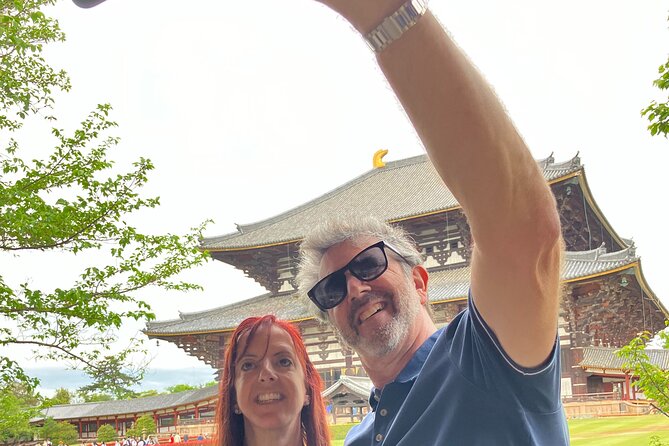
Todai-ji is the place that earns its reputation. You’ll have about two hours here, including entrance. The temple is famous for housing the Great Buddha (Daibutsu), described as one of the world’s largest bronze Buddha statues.
This is the stop where your expectations either land perfectly—or feel underwhelming if you only look for one thing. I suggest you do it in layers:
- First: take in the scale and layout of the main hall.
- Second: slow down and look for the details your eyes catch after the first shock.
- Third: listen to what your guide explains about how Nara’s religious importance was expressed through monumental art.
Guides like Mike and Kazz have been praised for being flexible about what you personally care about, and Todai-ji is where that really shows. If you want more explanation, you usually can get it. If you want quiet time to just absorb the space, you can do that too.
Kasuga Taisha Shrine: lantern-lined paths and sacred calm
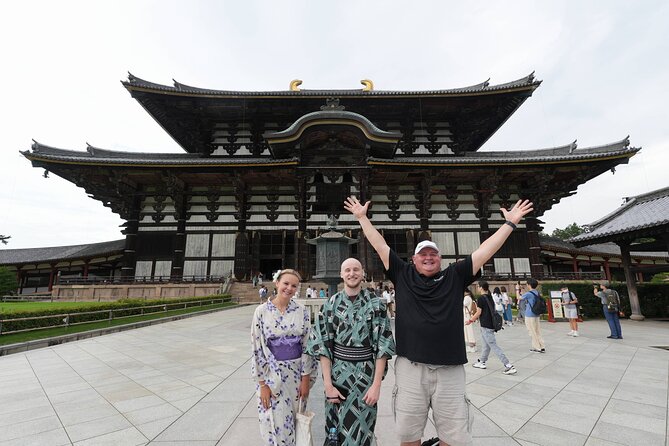
Kasuga Taisha Shrine is the Shinto counterpoint to the Buddhist temples you’ve already seen. It’s about an hour, with entrance included.
This shrine is best known for the lanterns—hundreds of bronze and stone lanterns that line the paths and hang throughout the grounds. If you enjoy atmosphere, this is your photo and reflection stop. It feels different from the big Buddha energy at Todai-ji. You’ll notice the shift from monumental scale to ritual space.
Kasuga Taisha is also described as founded in 768 AD. That date turns the visit into more than scenery. You’re not just walking among objects; you’re walking in a setting with long continuity.
One caution: because it’s popular, you’ll share space with other groups. The guide can help you choose a route that avoids dead time in slow-moving crowds.
Lunch break and pacing: how to keep the day from running you
Your plan includes a lunch break around midday. The tour structure gives you a breather at a point where you likely need it—after morning temples and before the late-day shrine stop.
Because this is private, you can usually align lunch with your group’s needs: quick and simple, or longer if you want to recharge before Kasuga Taisha and the drive back. The practical win here is not just food. It’s keeping energy stable so the final temples don’t feel like a sprint.
I also like that the overall day is designed to end with a port drop-off in the early evening. You’re not stuck in Nara until it’s dark and then hoping transit works out.
Guides make the difference: the human touch in Nara
The itinerary is impressive on paper. The reality is that Nara can be confusing if you don’t know what you’re looking at. That’s where your guide matters.
In the experiences shared, guides named Kazz, Fumiaki, Hideki, Yukie, Keiko, Sohmiya, Mike, and Toshiaki stand out for being approachable, English-speaking, and helpful with flexibility. Some guests even described having a guide customize the plan based on their interests.
For you, that means the difference between:
- walking past a landmark without context, and
- understanding why it matters, which often makes the photos look better too.
Price and logistics: real value plus the cash van fee
Let’s talk money plainly. The tour is $490 per group (up to 12). That price covers tour management, guiding, and entrance fees for the listed temples. It also covers the coordination of pickup and drop-off with your driver.
But transportation is not fully included. A cash vehicle fee may be required, with set yen amounts depending on group size (¥120,000 for up to 5 travelers; ¥140,000 for up to 8 travelers). That’s the part you should plan for early so you’re not scrambling for cash at the port.
Is it still good value? For many cruise travelers, yes—because you’re paying to avoid transit stress and to compress major Nara sights into one day with a human guide. If you’d otherwise try to cobble together trains and buses with a tight ship schedule, this is often worth it.
Who should book this Nara private tour
This is a great fit if:
- you’re traveling with family and want an easier day with less logistics
- you want a guided look at the big Nara highlights—Kofuku-ji, Todai-ji, Kasuga Taisha, and the deer park
- you prefer private pacing over bus schedules
- you’d rather handle one booked day than stitch together multiple transit plans from the port
It may be less ideal if:
- your group is very price-sensitive and confident with transit timing on your own
- you don’t want any additional cash fees on the day (because the vehicle fee is a known possibility)
Should you book it
I think it’s a strong booking for cruise passengers who want the most famous Nara sights without gambling on transit timing. The structure makes sense: a morning start, big temple hits with entrance included, a deer park experience built for fun, and a return to the port by early evening.
If you do book, I’d only add two prep steps:
- Confirm the cash vehicle fee for your exact group size and have yen ready.
- Tell your guide what you care about most (Great Buddha photos, lanterns at Kasuga Taisha, or a slower deer park moment). The day can be customized, and that’s where the private value shows up fast.
FAQ
FAQ
What is the meeting time for this Nara tour?
The plan lists a meeting at your Osaka or Kobe port around 08:00, depending on when your cruise ship docks.
How long does the tour take?
Expect about 6 to 10 hours, depending on the pace and any customization.
Is this tour private?
Yes. It’s a private tour/activity for only your group.
What sites do we visit in Nara?
You’ll go to Kofuku-ji Temple, Nara Deer Park (Nara Park), Todai-ji Temple, and Kasuga Grand Shrine.
Are entrance fees included?
Entrance fees are included for the listed temple stops. Nara Park entry is free.
Is transportation included in the price?
Transportation cost is not included. A car/van fee is listed as payable in cash to the driver, based on group size.
What vehicle fee should we expect?
The info lists ¥120,000 for up to 5 travelers and ¥140,000 for up to 8 travelers. Check the exact amount for your party size with the operator.
What’s the group size limit?
The tour is priced per group for up to 12 people.
Do we need any special fitness level?
The tour notes moderate physical fitness is recommended due to walking at the sites.
Is the tour fully cancelable?
Free cancellation is available up to 24 hours before the experience start time for a full refund.