REVIEW · CASABLANCA
Casablanca & Grand Mosque Shore Excursion
Book on Viator →Operated by STE Easy Transfers · Bookable on Viator
Casablanca compresses big-city contrast into four hours. This shore excursion is designed for your limited time in port, with port pickup and a guided loop that hits the big landmarks without you wrestling with local transit. I especially like the way the tour mixes religious power at Hassan II Mosque with everyday neighborhoods like Habous, so you get more than a postcard drive-by.
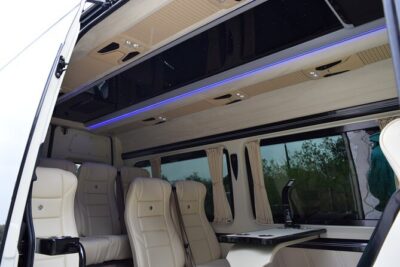
Two things I really like: first, the air-conditioned minibus and professional driver keep the day comfortable, even when traffic gets intense. Second, the Quartier Habous stop gives you a chance to see how people actually shop and move through the city’s older-style markets.
One drawback to consider: this is mostly “see it, hear it, move on,” and the tour can include a guided stop that feels more sales-forward than you might want. If you prefer quiet sightseeing only, keep a little extra awareness when the guide starts steering the group toward specific shops.
In This Review
- Key highlights worth your time
- Casablanca in four hours: what that timing really means
- Hassan II Mosque: the headline stop and how to plan your photos
- Ain Diab and the coast break: La Corniche vibes without committing to a full beach day
- Anfa and Anfaplace: seeing the upscale neighborhoods behind the postcard
- Notre Dame de Lourdes Church: stained glass and modern Catholic Casablanca
- Royal Palace of Casablanca and Mahkama Du Pacha: architecture with real authority
- Royal Palace of Casablanca
- Mahkama Du Pacha
- Quartier Habous (New Medina): souks, bargaining energy, and Parc Murdoch paths
- Mohammed V Square finale: palms, fountain, and a clean city-vs-city contrast
- Guides and group vibe: where the experience can shine or frustrate
- Value for $81.04: what you’re getting and what you still need to budget
- Should you book this Casablanca and Grand Mosque shore excursion?
- FAQ
- FAQ
- Where does the tour start and what time does it begin?
- How long is the Casablanca shore excursion?
- Is port pickup and drop-off included?
- What type of transportation is used?
- Is Hassan II Mosque entry included?
- Are there entrance fees for the stops?
- Is food and drinks included?
- What is the group size limit?
- Can I cancel for free?
Key highlights worth your time
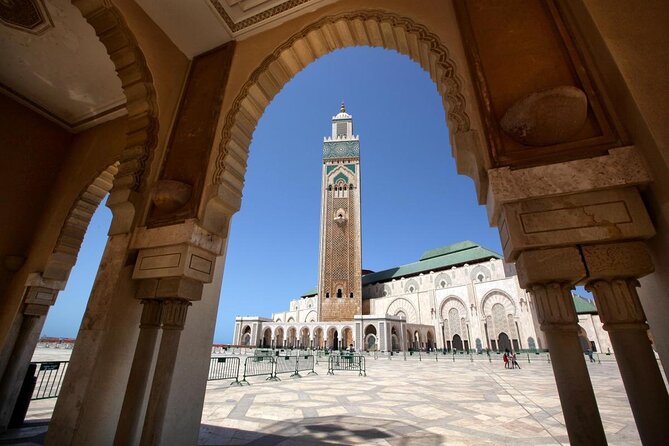
- Hassan II Mosque, first: you’ll get the most famous stop early, while the schedule is still fresh
- Port-to-city convenience: Casablanca Port pickup and drop-off saves you from time-wasting logistics
- Neighborhood variety: Habous, Anfa, Ain Diab, and major squares show different sides of Casablanca
- Real-city context: your guide talks through Casablanca as Morocco’s economic engine and largest city
- Small group pace: capped at 15 travelers, which keeps photo stops from turning into a circus
- Ticket coverage focus: Hassan II Mosque entry is listed as included, but you should still skim your voucher details
Casablanca in four hours: what that timing really means
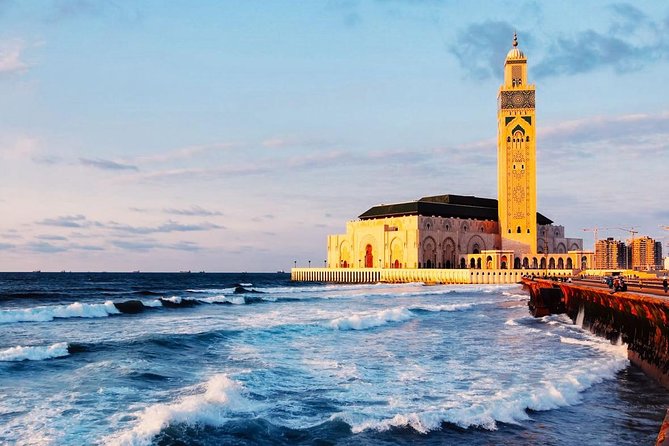
This is built for cruise-ship reality: short port time, limited patience, and a need to see key sights without spending half your day figuring out routes. The tour starts at 9:00 am at the Port of Casablanca, runs about 4 hours, and finishes back at the port. You’ll be in a small group (up to 15), moving by air-conditioned minibus with a professional driver.
That timing matters. Casablanca is spread out, and the traffic can be its own attraction. A good guide here isn’t just a tour narrator; they’re managing timing so you don’t miss the most important moments. The better end of the experience shows in the way some guides have been described as patient and helpful in heavy traffic, which is exactly what you want when you have limited time.
Also note the tour format: it’s guided sightseeing with set stops. That’s efficient, but it does mean you won’t have long “wander on your own” freedom. If you love deep, slow strolling, pair this with a second independent plan while you’re already in town.
A few more Casablanca tours and experiences worth a look

Hassan II Mosque: the headline stop and how to plan your photos
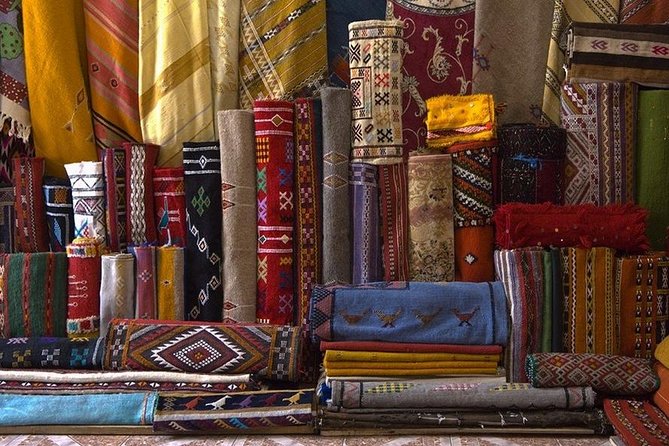
Your day’s anchor is Hassan II Mosque, which is hard to compare to anything else. It’s one of the world’s largest mosques, known for its dramatic scale and the towering minaret (reported here as 210 meters). The building was completed in 1993, designed by Michel Pinseau, with construction carried out by Bouygues.
You’ll spend about 45 minutes at the mosque. That’s enough time to understand why it matters and to get photos from the main areas you’re allowed to access. It’s also long enough that you can pause, look up at details, and not feel rushed.
About admission: your included information lists Hassan II Mosque entry as included, but the stop description also notes admission ticket not included. That conflict is worth a quick check before the excursion day. When in doubt, confirm what’s printed on your voucher or mobile ticket instructions. You don’t want to be standing at the gate on shore day with a ticket question.
Practical tip: plan to dress respectfully and keep your phone charged. Casablanca’s big landmark sights are all about timing, and the best photos come when you’re ready to move the second you’re in position.
Ain Diab and the coast break: La Corniche vibes without committing to a full beach day
After the mosque, the tour shifts gears toward the Ain Diab area, a fashionable stretch of shoreline known as La Corniche. This stop is short—about 15 minutes—so think of it as a quick reset: sea air, a change of scenery, and a look at Casablanca’s more upscale coastal mood.
You’ll pass an area lined with places to eat (like creperies and shawarma spots) and more French-leaning restaurants, plus beach options such as Plage Lalla Meryem and Plage Ain Diab. Even if you don’t stop to eat or swim, this brief coastal segment helps you understand that Casablanca isn’t only historic buildings and mosques. There’s also a modern leisure side.
Two things to keep expectations realistic:
- This isn’t a beach day with time to relax. It’s a quick coastal snapshot.
- With a group schedule, you’ll want to keep your questions short so you don’t slow the bus.
Anfa and Anfaplace: seeing the upscale neighborhoods behind the postcard
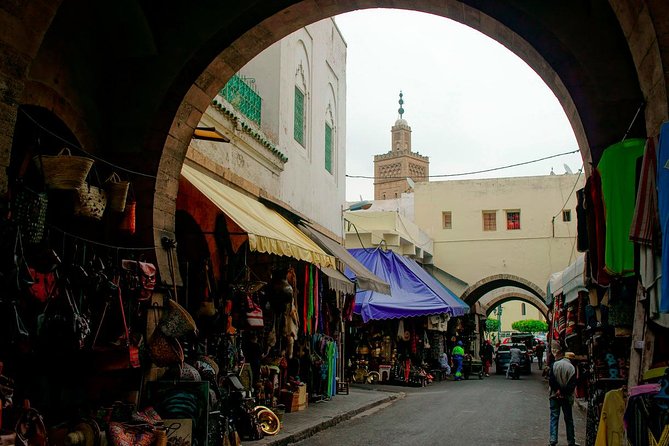
Next comes Anfa, described as a leafy, upmarket residential neighborhood between the beachfront and the city center. It’s known for the Hippodrome Casa-Anfa, a racecourse founded in 1912, with a covered grandstand and a sandy oval track. There’s also Royal Golf Anfa, a lush 9-hole course.
Even if you’re not there for racing or golf, I like this stop because it shows a different layer of Casablanca’s identity. It’s not trying to sell you a single story. It’s showing you how neighborhoods vary from street to street.
If you’re the type who enjoys spotting the social geography of a city—what areas feel moneyed, what areas feel working, and what feels in-between—this is useful. You also get a sense of what’s modern around the edges, with nearby shopping like Anfaplace Shopping Center and international brands with sea views.
Drawback: there’s less “monument sightseeing” here and more “context sightseeing.” If you want only big buildings and iconic gates, you might find this segment less satisfying than Hassan II Mosque.
Notre Dame de Lourdes Church: stained glass and modern Catholic Casablanca
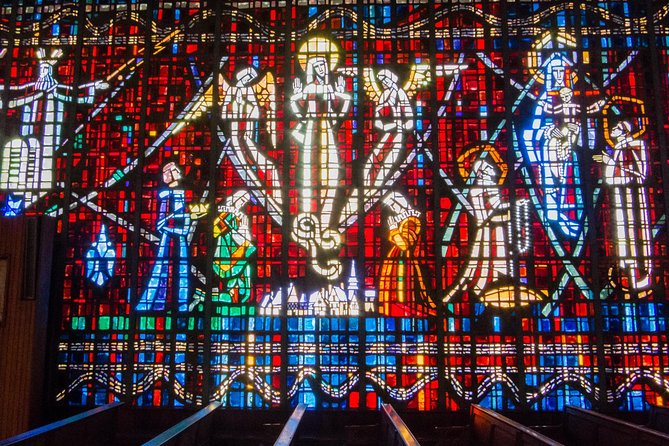
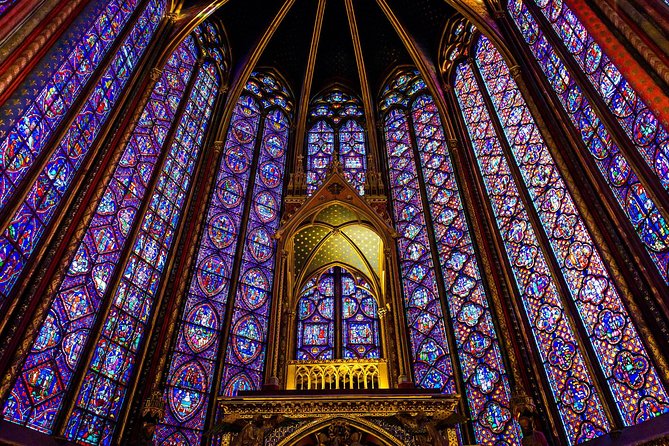
The tour then pauses at Church of Notre Dame of Lourdes, a modern Catholic church built in 1954. The highlight is its stained-glass windows, which give you that classic colored-light effect when you’re standing inside or near the windowed areas.
This stop works well because it widens the picture. Casablanca is mostly associated with Islamic landmarks, but the city also holds a visible Catholic presence, and this church helps you see that without needing a separate detour.
You’ll have about 30 minutes, which is enough to step in, look at the stained glass, and take a few photos without turning it into a long museum outing.
Practical note: treat this as a quieter stop. Keep your voice low and follow any rules about where you can stand. If you’re in a rush, you can still see the key visual elements quickly.
Royal Palace of Casablanca and Mahkama Du Pacha: architecture with real authority
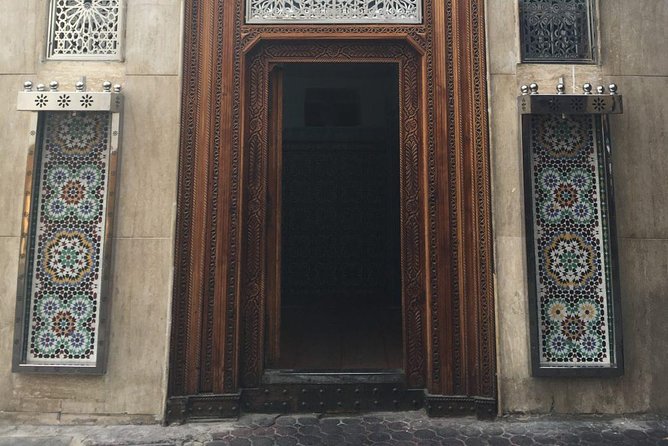
Two of your stops focus on power and governance architecture: the Royal Palace of Casablanca and Mahkama Du Pacha.
Royal Palace of Casablanca
You’ll see the palace from the outside with a sense of its design language—Islamic architecture, surrounded by orange groves and elaborate water features. The time here is brief (about 5 minutes), so you’ll mostly be absorbing the setting and the visual impression.
This is one of those “worth it, but don’t expect a stroll” moments. You’ll likely be looking from outside rather than walking through interior spaces, and that’s normal. Use the few minutes to notice the symmetry, the way water features frame the composition, and the garden setting.
Mahkama Du Pacha
Then you’ll move to Mahkamat al-Pasha, an administrative building constructed between 1941 and 1942 in the Hubous neighborhood. It has served as a courthouse, a residence for the pasha, a parliamentary reception hall, and even a jail. That kind of layered function explains why the building feels more formal and weighty than a simple architectural stop.
You’ll spend about 30 minutes here. It’s also described as a Moorish-style complex with mosaics, courtyards, and carved cedar ceilings. Even if you’re not an architecture fanatic, you’ll likely find the details easier to appreciate because the building is designed for visual impact.
One caution: because this stop ties into the next segment (Habous), you may feel the schedule tightening. Keep your energy up for market time.
Quartier Habous (New Medina): souks, bargaining energy, and Parc Murdoch paths
If you want the most “Casablanca everyday life” feeling, Quartier Habous is the best target of your morning. It’s sometimes called the New Medina, and it’s packed with open-air markets or souks where people bargain for clothes, fabrics, and Moroccan staples like olives and dried fruits.
You’ll be here about 1 hour, which is a real chunk of time for a shore excursion. There are also traditional patisseries, including almond pastries and stuffed dates, so if you like edible sampling or just want to smell what people are buying, this is where to focus your attention.
What I like: the Habous area gives you the chance to see how commerce works in practice. You don’t need to buy anything to benefit. Watch the rhythm—how people point, compare, and negotiate. It’s a fast way to understand local culture without a long language lesson.
Also nearby is Parc Murdoch, where jogging paths and flower beds appear along the edges. It’s a small reminder that Casablanca isn’t only about crowded alleys. There are calmer green spaces woven into the city fabric.
Potential consideration: if you’re sensitive to sales pressure, keep your instincts on. This kind of market stop can turn into “look around, then a particular shop gets emphasized.” It’s not automatically a problem, but it can change your mood. If you don’t want to buy, you still can enjoy the sights. Just don’t feel trapped into the sales routine.
Mohammed V Square finale: palms, fountain, and a clean city-vs-city contrast
Your last sightseeing hit is Square of Mohammed V, south of United Nations Square, connected by Avenue Hassan II. It’s marked by a central fountain and lined by important civic buildings, including the courthouse and the prefecture, with a tower reported here at 50 meters.
You’ll have about 15 minutes, so this is a “quick reset and photo zone” moment. What makes it useful is the contrast: after markets and religious and palace architecture, you end on an open square. You get breath, a final overview of the urban plan, and a good last set of photos before returning to the port.
If your ship timing is tight, the end-of-tour structure here is practical. It feels more controlled than wandering, and it helps you avoid the stress of finding your way back late in the day.
Guides and group vibe: where the experience can shine or frustrate
The tour lives or dies by the guide, and the pattern is pretty clear from what this operator’s guides have been known for. On the positive side, one guide named Amine has been described as knowledgeable, patient, helpful, and respectful, with emphasis on making passengers feel safe even when driving through intense traffic. That mix matters: you want clear explanations and calm driving, not speed-chasing.
On the other side, a more sales-forward tone has been associated with a guide named Sila, described as very talkative but tied to a guided sales pitch at a store connected to someone in his circle. It’s still possible to enjoy the day if you’re prepared for this style, but it may not match your ideal pace.
My practical take for you: if you like structured interpretation and you’re okay with a gentle nudge toward local shopping, this tour can work great. If you hate pressure and prefer independent browsing only, go in mentally prepared. You can still enjoy the architecture and market visuals; just avoid getting pulled into long buying conversations.
Value for $81.04: what you’re getting and what you still need to budget
At $81.04 per person, this excursion is priced for efficiency: port pickup and drop-off, a guided loop across multiple districts, and transport by air-conditioned minibus with a professional driver. It’s also capped at 15 travelers, which helps keep the experience personal enough to ask questions.
You’re not paying for everything, though. The tour includes Hassan II Mosque entry, and many of the other listed stops are described as free, but the overall notes also say the tour excludes entrance fees. That’s why I keep pointing you to your voucher details. In your final cost planning, budget for any extra entries you may decide to add on your own.
Food and drinks are also not included, so you’ll likely want to plan one main meal either before you start or after you return to the ship. For shore days, I find it’s best not to rely on the guide to solve lunch logistics. Bring water if allowed by your ship rules and set expectations that the day is sightseeing-focused.
Should you book this Casablanca and Grand Mosque shore excursion?
Book it if you:
- Want a guided half-day loop that covers the core highlights without transit stress
- Appreciate a mix of landmark architecture and neighborhood context
- Like having a plan when your port time is short
Skip or reconsider if you:
- Hate shop pitches and want total freedom to browse without persuasion
- Want lots of time inside buildings beyond the mosque and church
- Are hoping for a slow, unhurried walk through markets
If you do book, here’s my advice: treat it like a fast, guided orientation to Casablanca. You’ll learn what to notice next time you’re here, and you’ll end the morning with enough variety to feel like you actually saw the city, not just the big names.
FAQ
FAQ
Where does the tour start and what time does it begin?
The tour starts at Port of Casablanca at 9:00 am.
How long is the Casablanca shore excursion?
It runs about 4 hours (approx.).
Is port pickup and drop-off included?
Yes. Casablanca Port pickup & drop-off is included.
What type of transportation is used?
You travel by an air-conditioned minibus with a professional driver.
Is Hassan II Mosque entry included?
The tour information lists a Hassan II Mosque entry ticket as included. Still, check your voucher details since one itinerary note mentions admission separately.
Are there entrance fees for the stops?
Some stops are listed as free, and Hassan II Mosque entry is listed as included. The tour also notes that entrance fees are excluded, so expect that only specific entries are covered and anything extra may cost more.
Is food and drinks included?
No. Food and drinks are not included.
What is the group size limit?
The tour has a maximum of 15 travelers.
Can I cancel for free?
Yes. You can cancel for free up to 24 hours before the experience start time for a full refund.